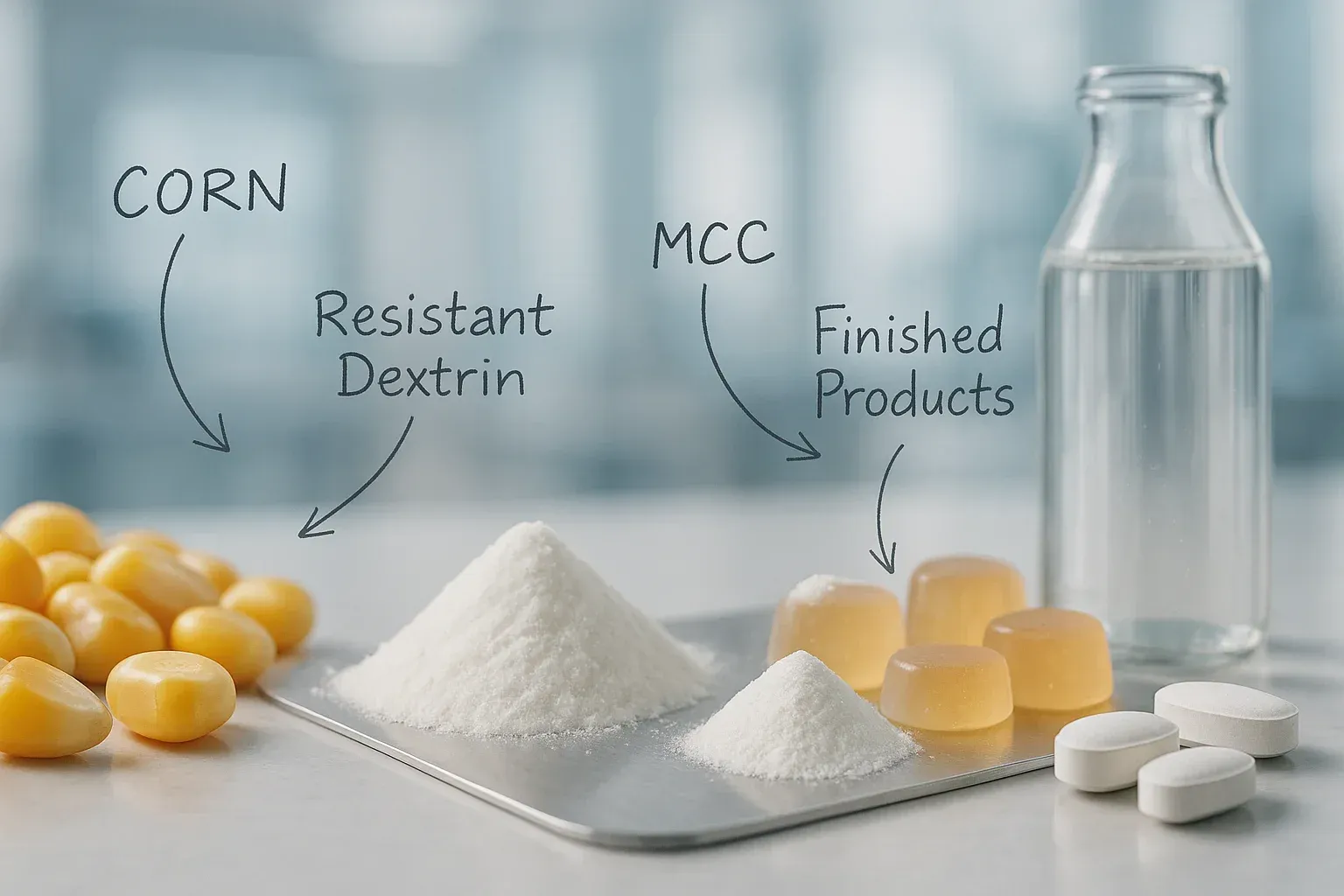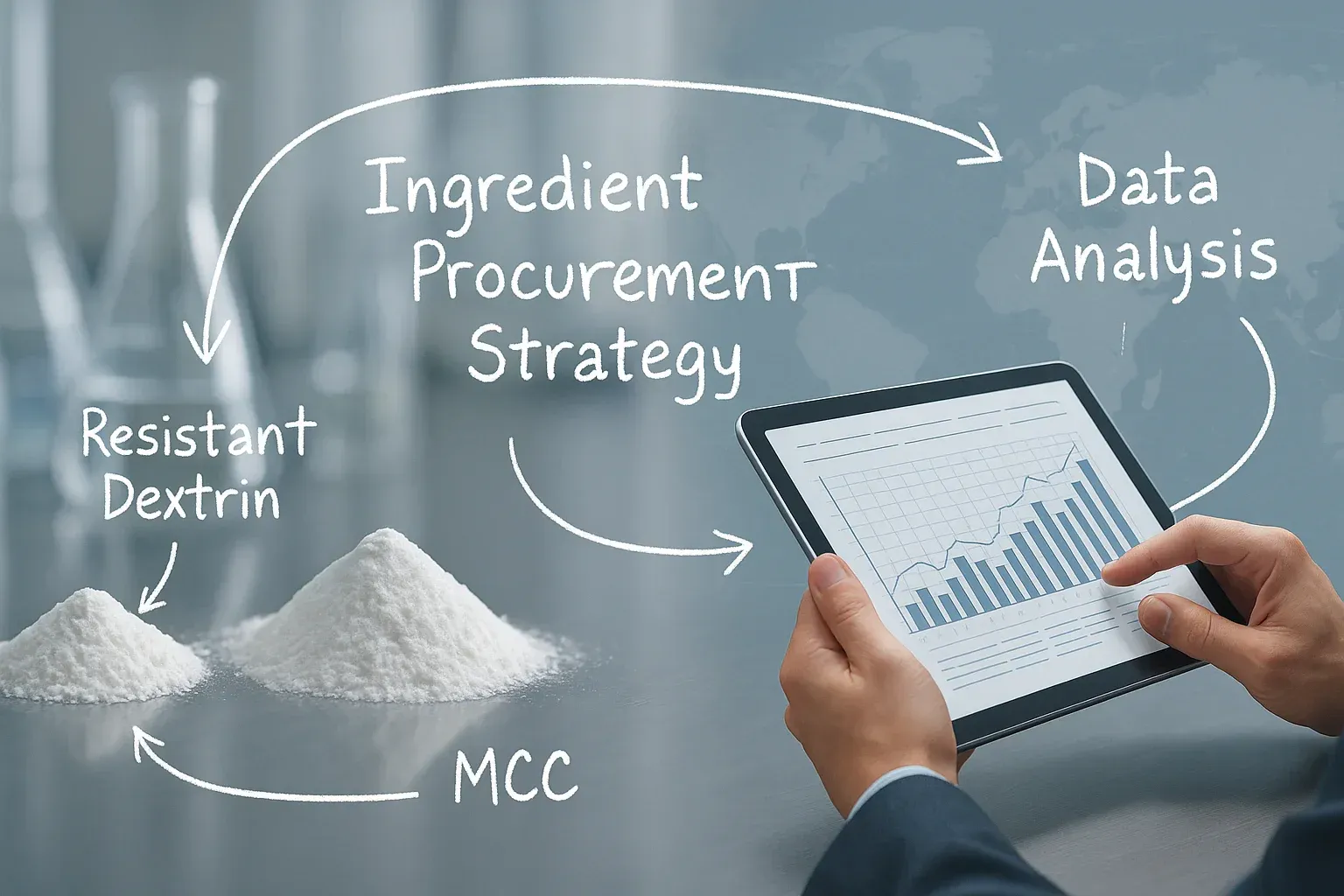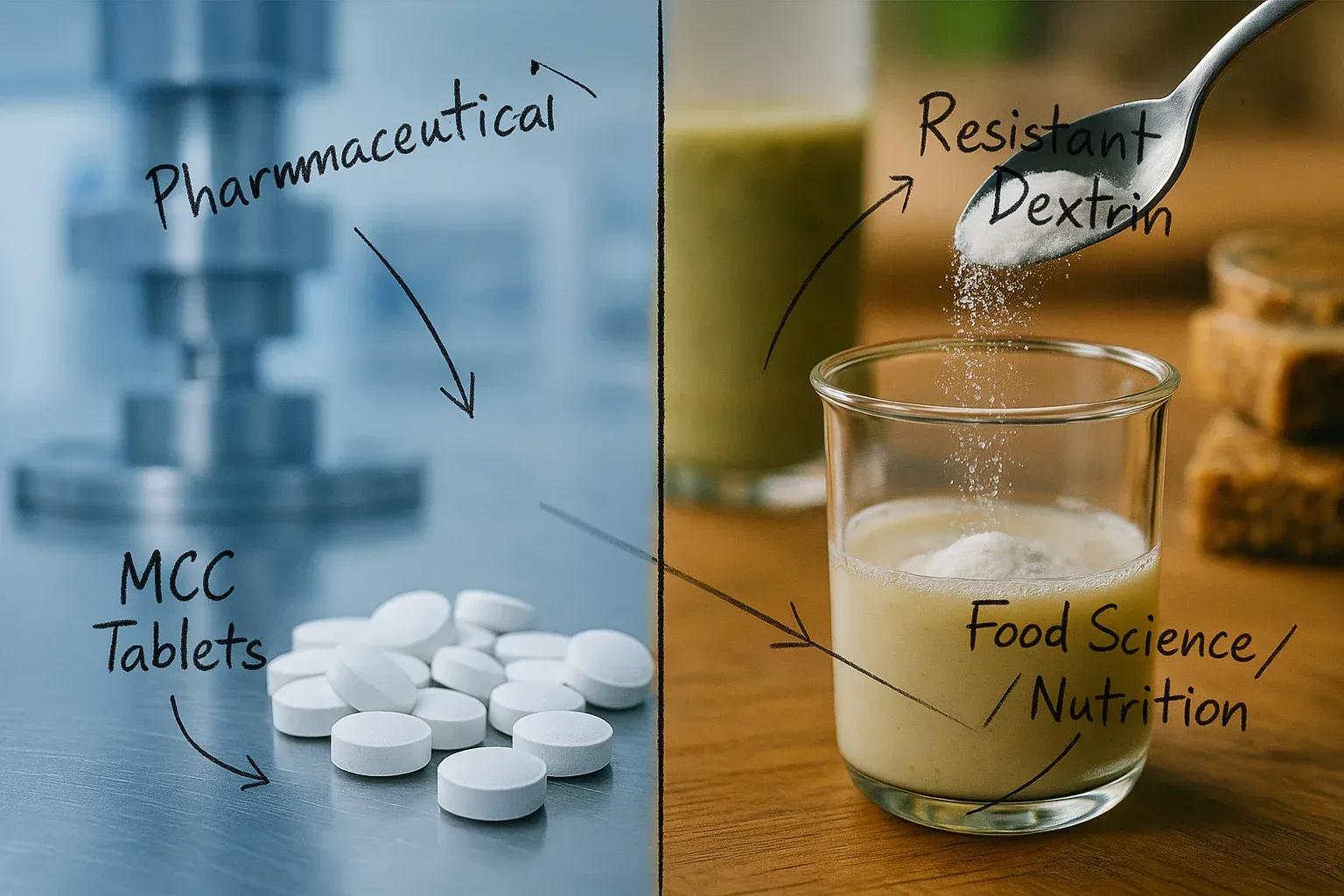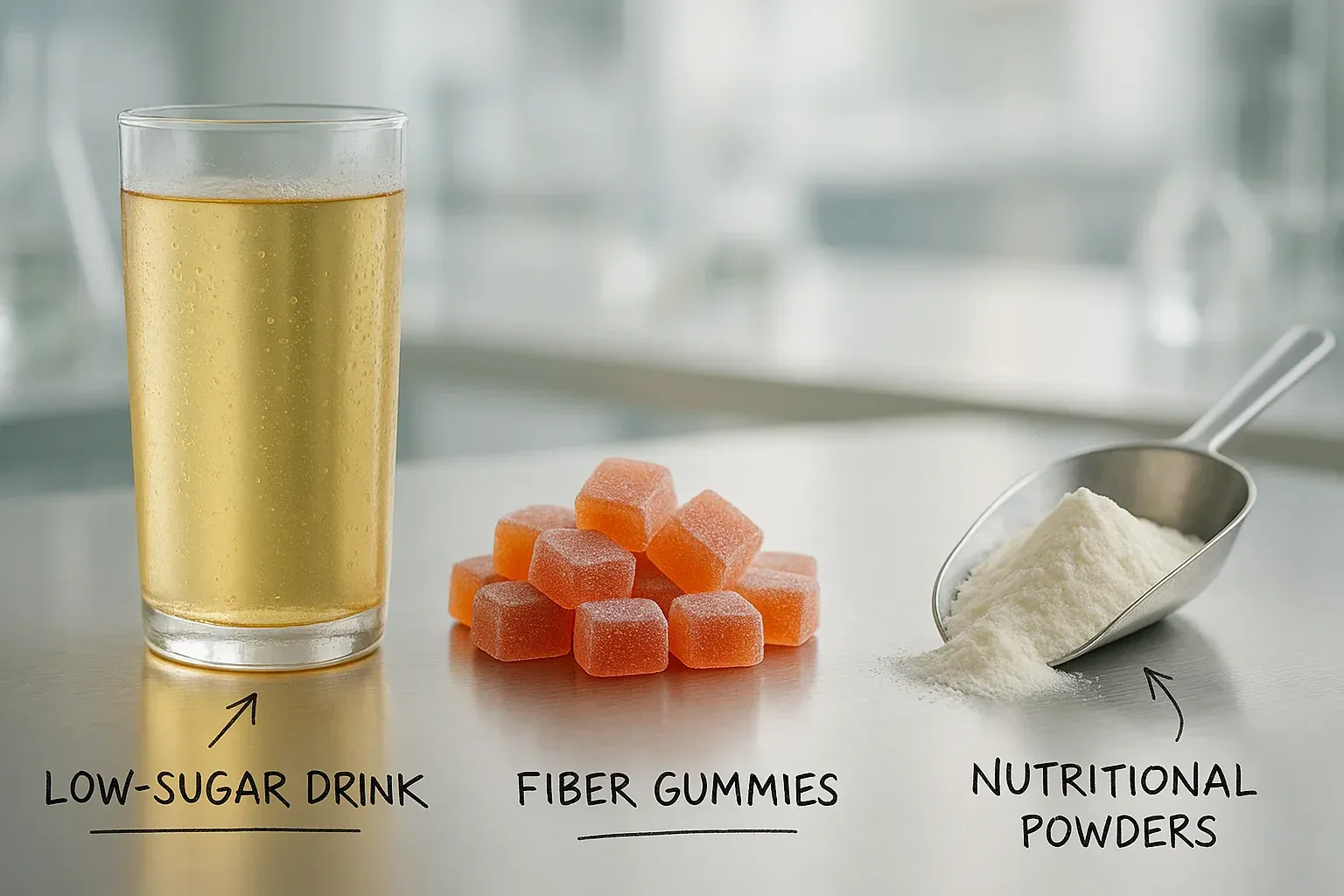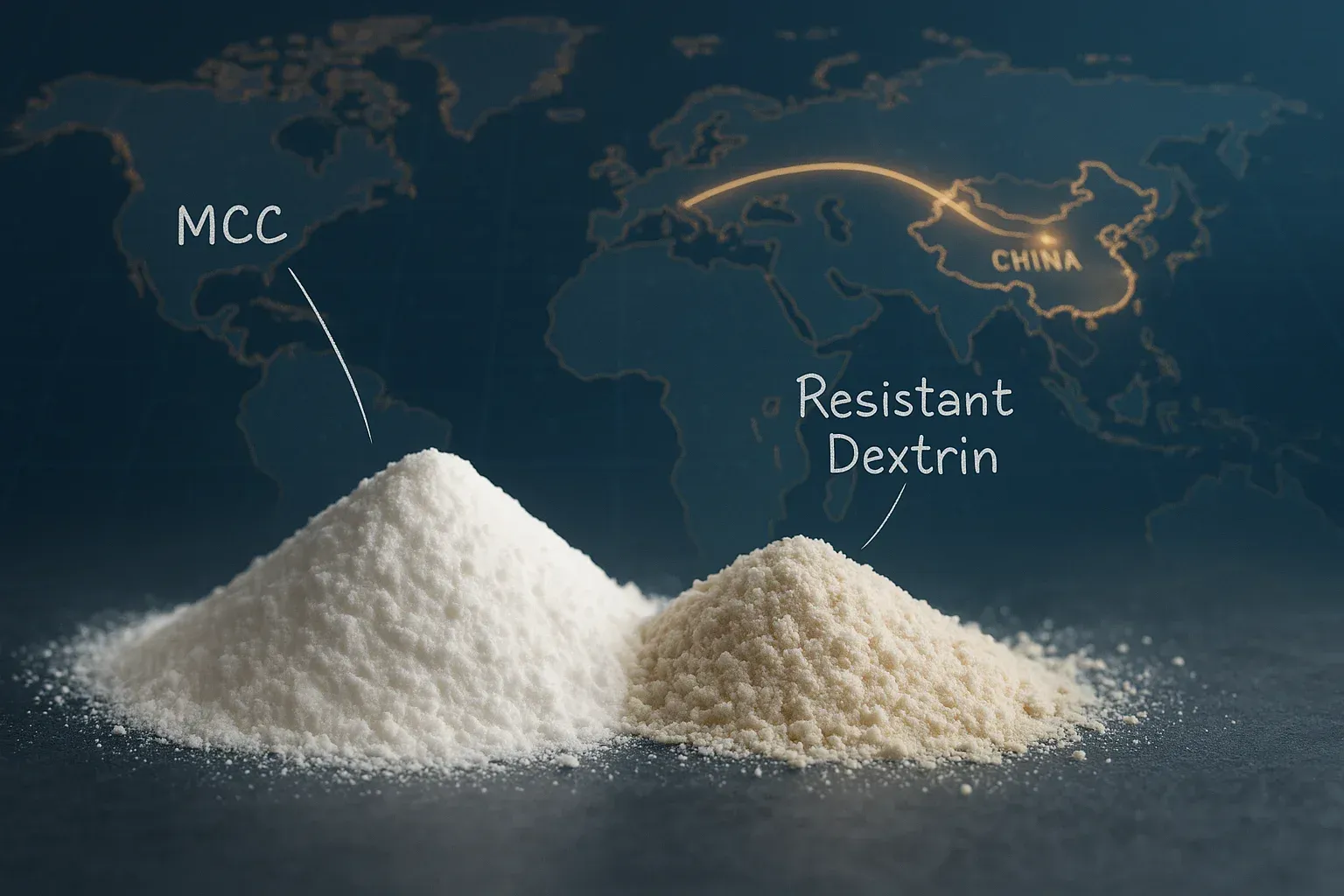


China’s position in excipients and functional fiber has moved from “cost advantage” to “supply-chain gravity.” For procurement teams, that shift changes what “recommended” should mean. A microcrystalline cellulose supplier China might be able to quote quickly, but the real question is whether the supplier can protect your formulation, documentation, and delivery schedule when demand tightens. The same is true for resistant dextrin: when low sugar and low calorie launches accelerate, a resistant dextrin supplier China is evaluated less on a brochure and more on repeatable quality and export readiness.
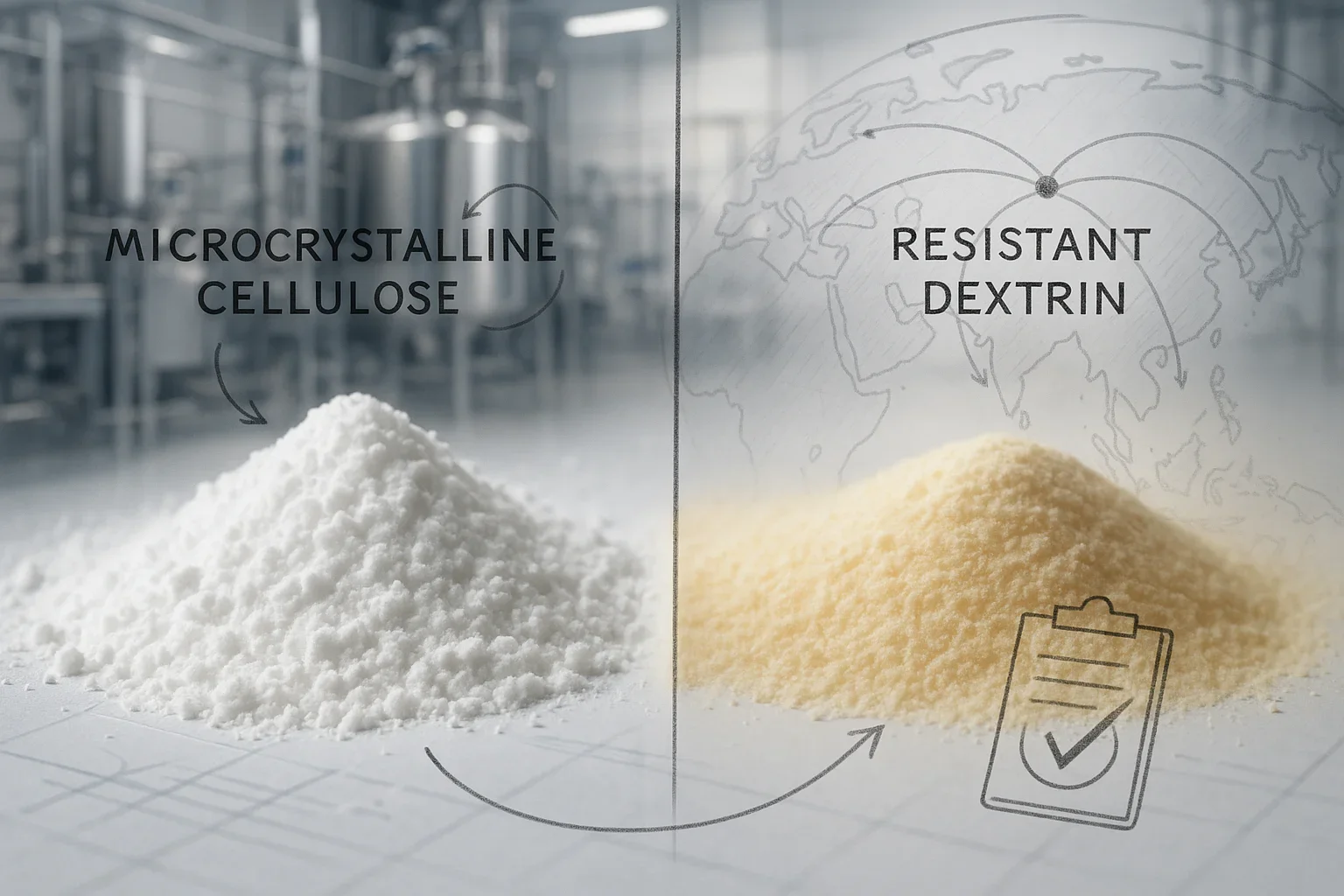
Why buyers need a China-specific due diligence lens
Two forces are shaping buyer behavior going into 2026–2027:
-
Geographic concentration is now a risk variable. Market research frequently points to China’s weight in Asia-Pacific MCC supply; one widely cited figure is China contributing ~44% of APAC MCC revenue share, which signals how quickly regional events can echo through global contracts.
-
Formulas are getting stricter, not simpler. Pharma teams want fewer deviations and cleaner batch-to-batch performance. Nutrition brands want “low GI,” “keto-positioned,” and “fiber-forward” claims without taste or stability tradeoffs. Those requirements raise the bar for any China microcrystalline cellulose manufacturer and any resistant dextrin producer competing for international tenders.
Proof point 1: Fit for use comes before price per ton
A reliable shortlist starts with “fit for use,” not “lowest quote.” For MCC, fit for use typically means the supplier can match the grade to the dosage form and processing route.
For pharmaceutical grade MCC China inquiries, buyers usually align on:
-
Particle-size profile (linked to flow and compression behavior)
-
Moisture and loss on drying (linked to stability and handling)
-
Bulk density and flow (linked to die fill and tablet weight variation)
-
Compendial alignment expectations (commonly USP/EP/ChP, depending on the market)
For resistant dextrin procurement, “fit for use” shows up in everyday manufacturing outcomes: dissolution, clarity, and stability in the finished product—especially in beverages, powders, and stick packs.
Proof point 2: A spec is only real when it repeats across batches
Buyers often request a COA and stop there. The more dependable approach is to evaluate whether the supplier’s QC system can repeat the spec at scale.
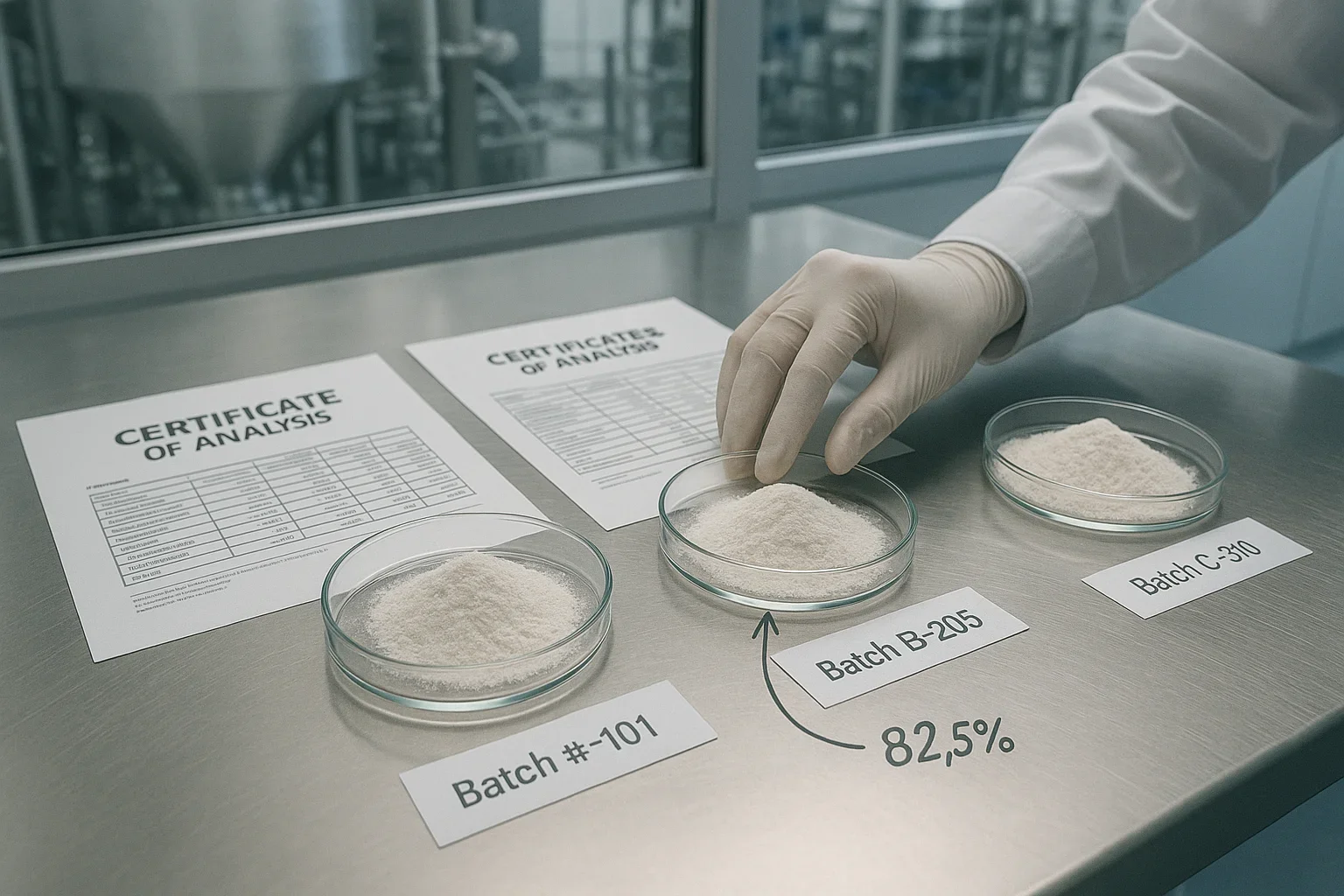
A practical check (and a procurement-friendly one) is asking for:
-
Two or three recent COAs from different production dates
-
A brief explanation of in-process controls that prevent drift
-
Retained-sample rules and re-test / stability practices (even short internal stability notes can be helpful)
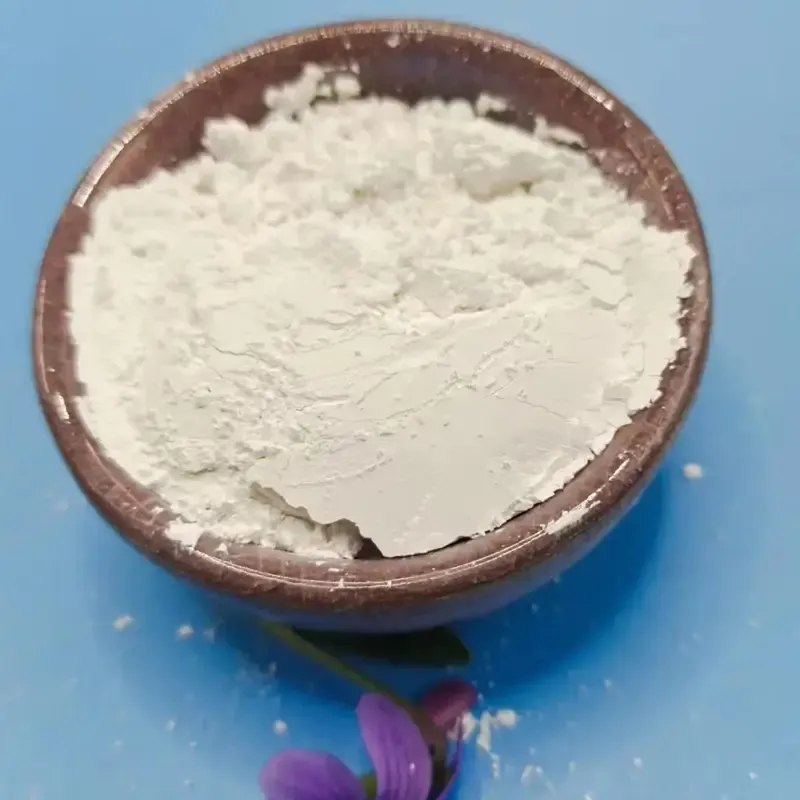
For resistant dextrin used in functional foods, many buyers standardize around a “high fiber” threshold. On ingredient pages for resistant dextrin products, it is common to see fiber specifications such as fiber content ≥82%, with additional basic parameters like appearance (white to light yellow) and storage guidance.
If your RFQ includes “resistant dextrin bulk fiber ≥82%,” treat it as a starting gate—then verify the supplier can keep that result stable across export lots.
Proof point 3: Manufacturing automation is a proxy for consistency
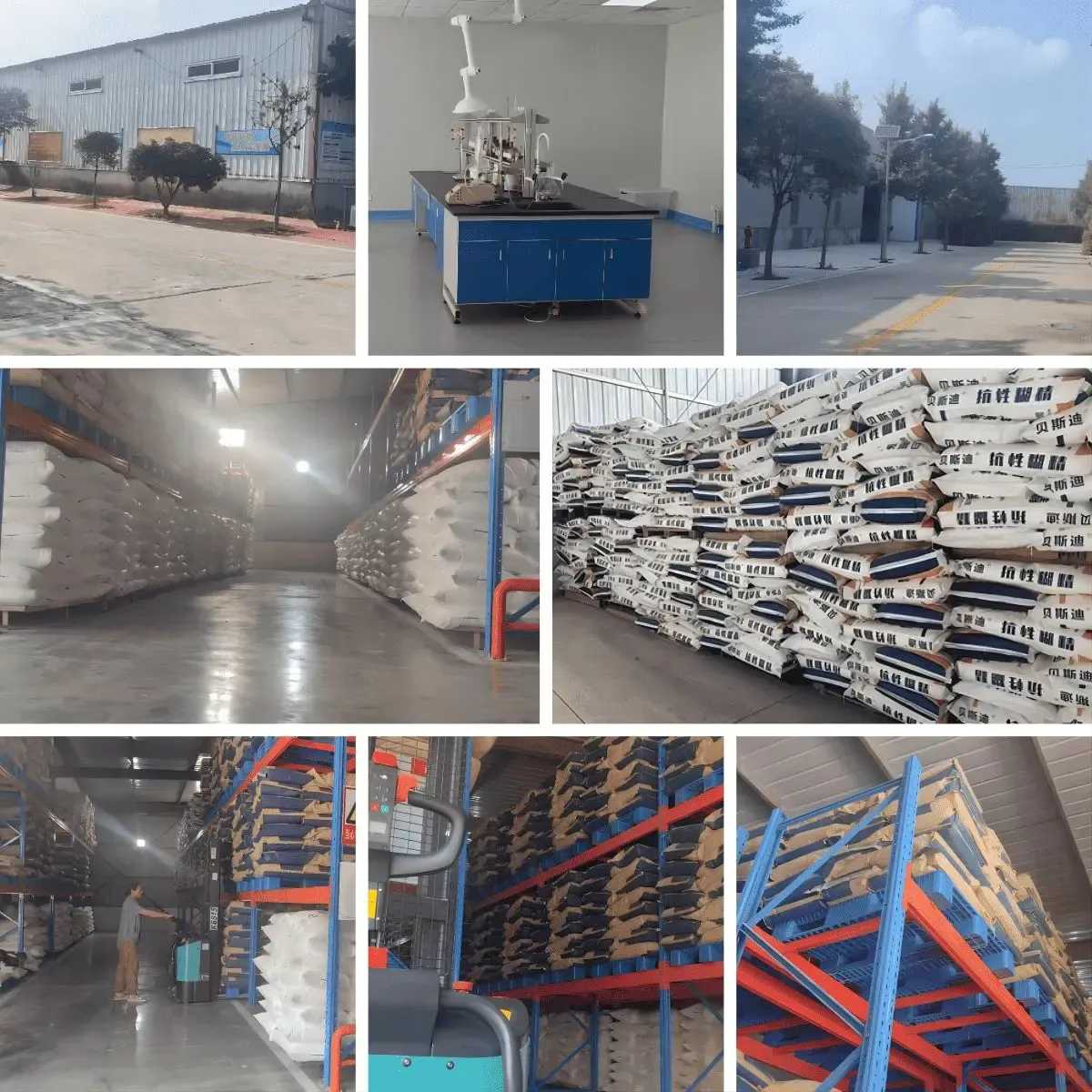
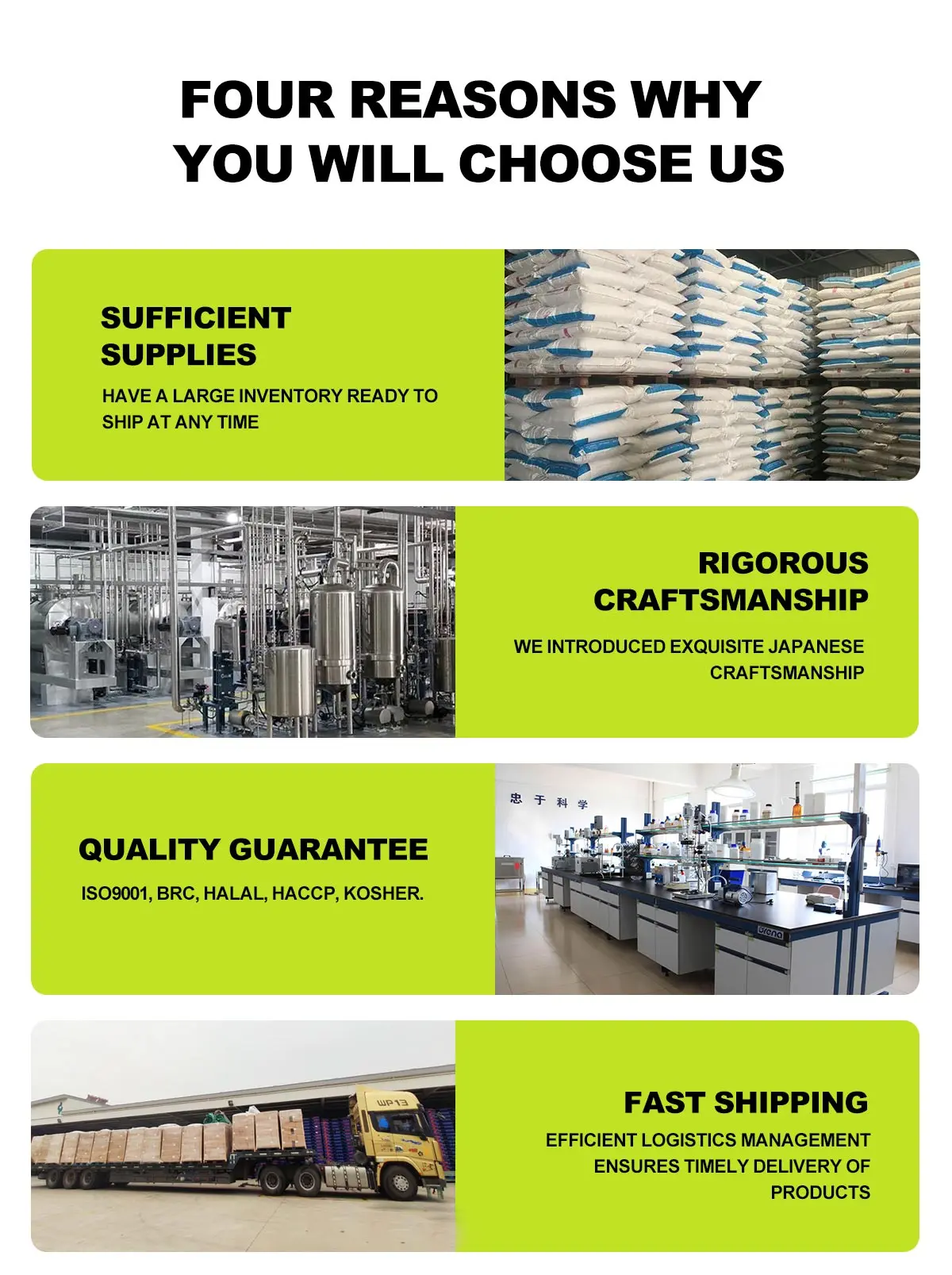
Automation is not a marketing slogan; it’s a risk reducer. A recommended supplier is usually able to describe how the line is controlled from feeding to filling.
When screening a Recommended Chinese microcrystalline cellulose manufacturer or a resistant dextrin supplier China, procurement teams typically listen for operational specifics such as:
-
Central control or automated control from raw material feeding to product filling
-
Clear segregation of key steps (to prevent mix-ups)
-
A defined approach to deviation handling and corrective actions
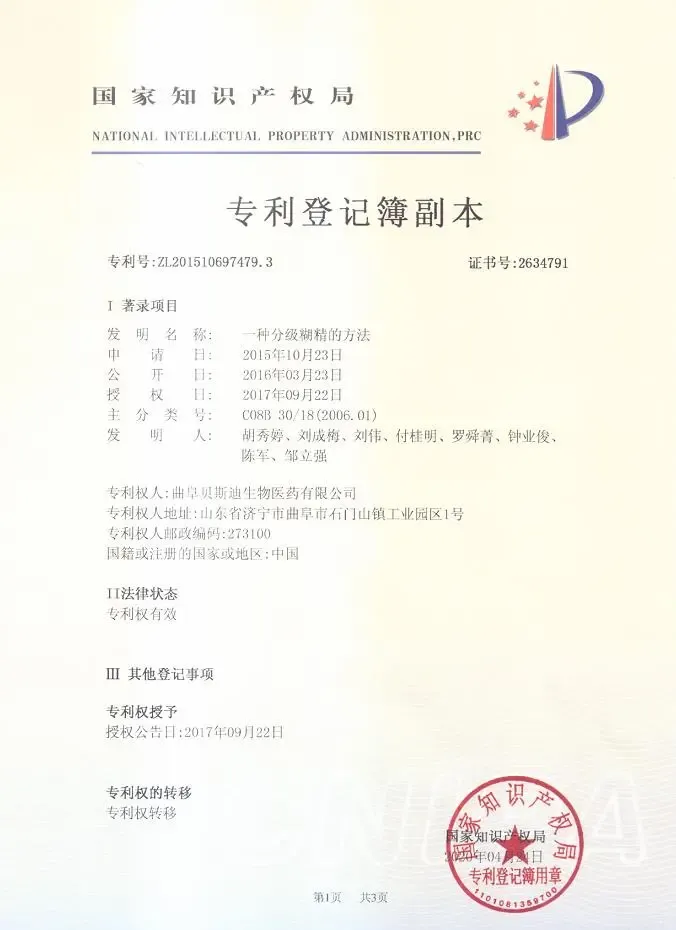
Several Chinese ingredient producers describe fully automated central control workflows and GMP-standard workshops as part of their standard plant narrative. That combination tends to correlate with fewer surprises during scale-up.
Proof point 4: The certification stack must match your target market
Buyers sometimes treat certifications as “nice to have.” In practice, they are a market-access tool and a supplier-discipline indicator.
A robust checklist usually includes:
-
Quality management (commonly ISO 9001)
-
Food safety for resistant dextrin used in foods and supplements (often HACCP; many suppliers also hold BRC and related systems)
-
Religion- and region-sensitive requirements where relevant (Halal, Kosher)
For MCC intended for pharmaceutical use, buyers usually look for GMP expectations aligned with excipient controls, plus documentation discipline that supports customer audits.
If you’re building a tender list, it helps to request a simple “certification coverage table” early—then verify expiry dates and scope (site vs. product vs. trading company).
Proof point 5: Traceability starts with raw material clarity
For resistant dextrin, raw material language matters because it affects labeling, allergen reviews, and consumer trust.
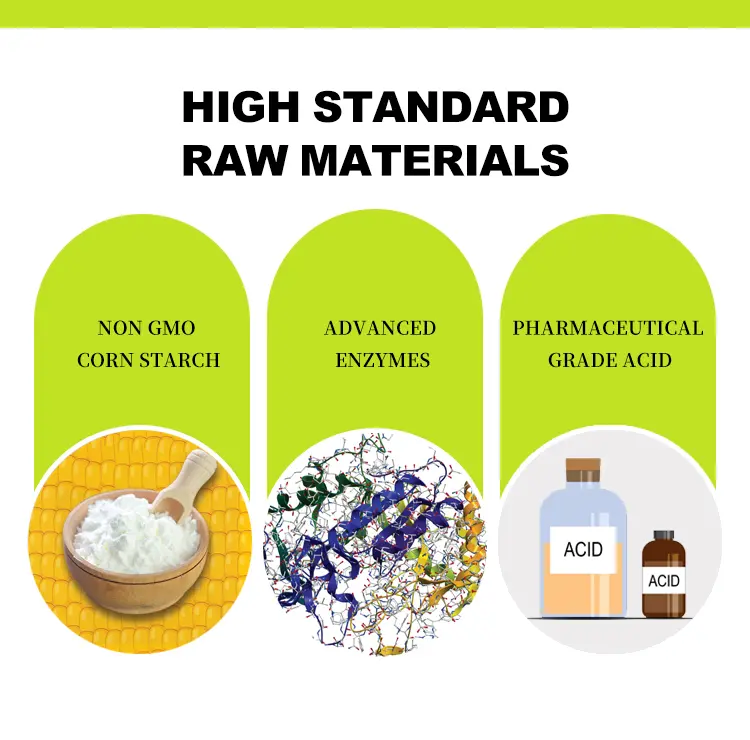
Many suppliers position resistant dextrin as being derived from non-GMO corn starch. For buyers, the key is not the claim—it’s the traceability story:
-
Can the supplier provide raw material origin statements?
-
Are incoming lots tested before production?
-
Is there a consistent approach to supplier approval and re-evaluation?
When evaluating any microcrystalline cellulose supplier China, similar questions apply. Even when the end-product performance is strong, weak upstream controls often show up later as COA variability, odor/color shifts, or shipment-to-shipment handling differences.
Proof point 6: Technical support should reduce your reformulation risk
A supplier becomes “recommended” when it helps buyers prevent avoidable rework.
In practice, that means:
-
Fast responses to spec questions (not just sales replies)
-
Willingness to discuss application needs (tablet hardness targets, flow issues, beverage clarity, heat/acid stability)
-
Capacity to support trials and troubleshooting
Some suppliers publicly note 24/7 engineering support for formulation-related concerns (including tablet-processing topics). Even if you don’t need round-the-clock support, this is often a signal that the supplier has a real technical team behind the offer.
For buyers building internal knowledge, a useful starting point is an applied guide like MCC grades formulation and QC, which frames how excipient selection and documentation connect to batch performance.
Proof point 7: Export behavior is a credibility signal you can validate
For international procurement, “export-ready” is not a tagline. Buyers can validate export experience through:
-
Consistent export packaging and labeling controls
-
Documentation completeness (COA format stability, consistent lot coding)
-
Public trade data signals (shipment volumes and regularity)
This is where tiered pricing and MOQs also become informative. Large-scale exporters usually present a clearer structure: how pricing changes by volume, and what lead times look like during peak seasons.
A practical shortlisting checklist buyers can use in 30 minutes
Use this as a first-pass screen for both MCC and resistant dextrin:
-
Grade fit: Can the supplier explain what MCC grade or dextrin spec fits your process?
-
Batch evidence: Can they share multiple recent COAs to prove consistency?
-
Plant controls: Is the line described as automated from feeding to filling?
-
Certification scope: Do ISO/BRC/HACCP/Halal/Kosher (as needed) match your market?
-
Raw material traceability: Is non-GMO corn starch (when claimed) supported by documentation?
-
Tech service: Is there application support beyond “send a sample”?
-
Export discipline: Are packaging, lot codes, and documents standardized?
Spec callout buyers often standardize for resistant dextrin
| Item | What buyers typically request in RFQs |
|---|---|
| Fiber content | resistant dextrin bulk fiber ≥82% |
| Appearance | White to light yellow |
| Handling | Good solubility and neutral taste positioning |
| Storage | Store in a cool place |
For a deeper product-side view of how resistant dextrin is positioned in supplements and functional foods, the category hub resistant dextrin dietary fiber provides examples of common parameters and application language. Buyers looking specifically at supplement-ready formats may also compare listings such as nutritional dietary fiber powder to align internal specs with market expectations.
Turning “recommended” into a defensible supplier decision
The phrase Recommended Chinese microcrystalline cellulose supplier shouldn’t mean “popular online.” It should mean the supplier can prove repeatability, documentation discipline, and process control in ways your QA and operations teams can audit.
For 2026–2027 contracting, a dependable strategy is to treat China as a core sourcing region—while raising verification standards. When the seven proof points above are met, a China microcrystalline cellulose manufacturer or a resistant dextrin supplier China becomes easier to justify internally, easier to qualify, and far less likely to create last-minute reformulation work.
To keep a sourcing team aligned, it also helps to use an industry resource library that consolidates excipient and fiber knowledge in one place. The ingredient and technical pages at www.sdshinehealth.com are one such reference hub buyers can use when building internal checklists and RFQ templates.