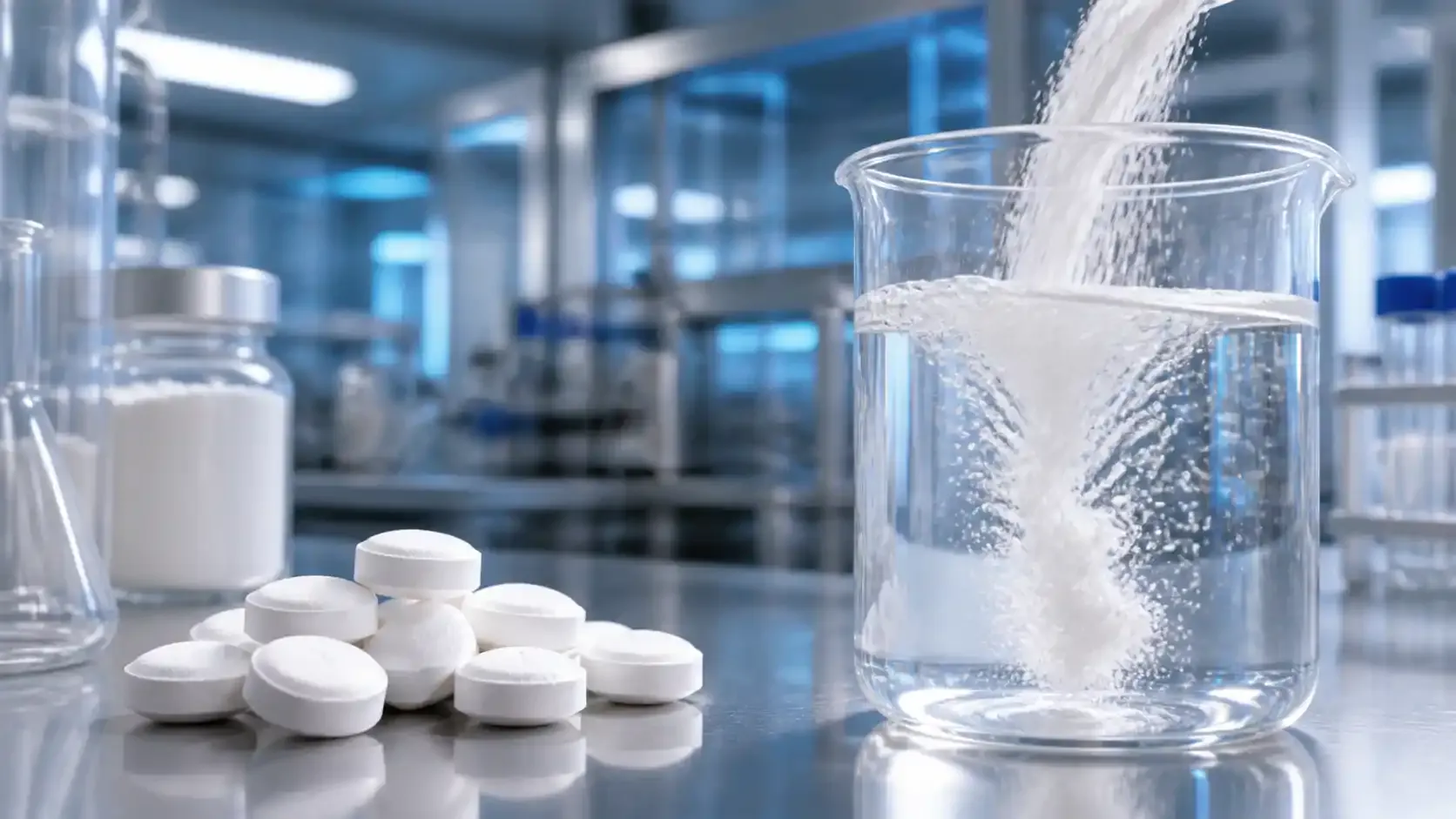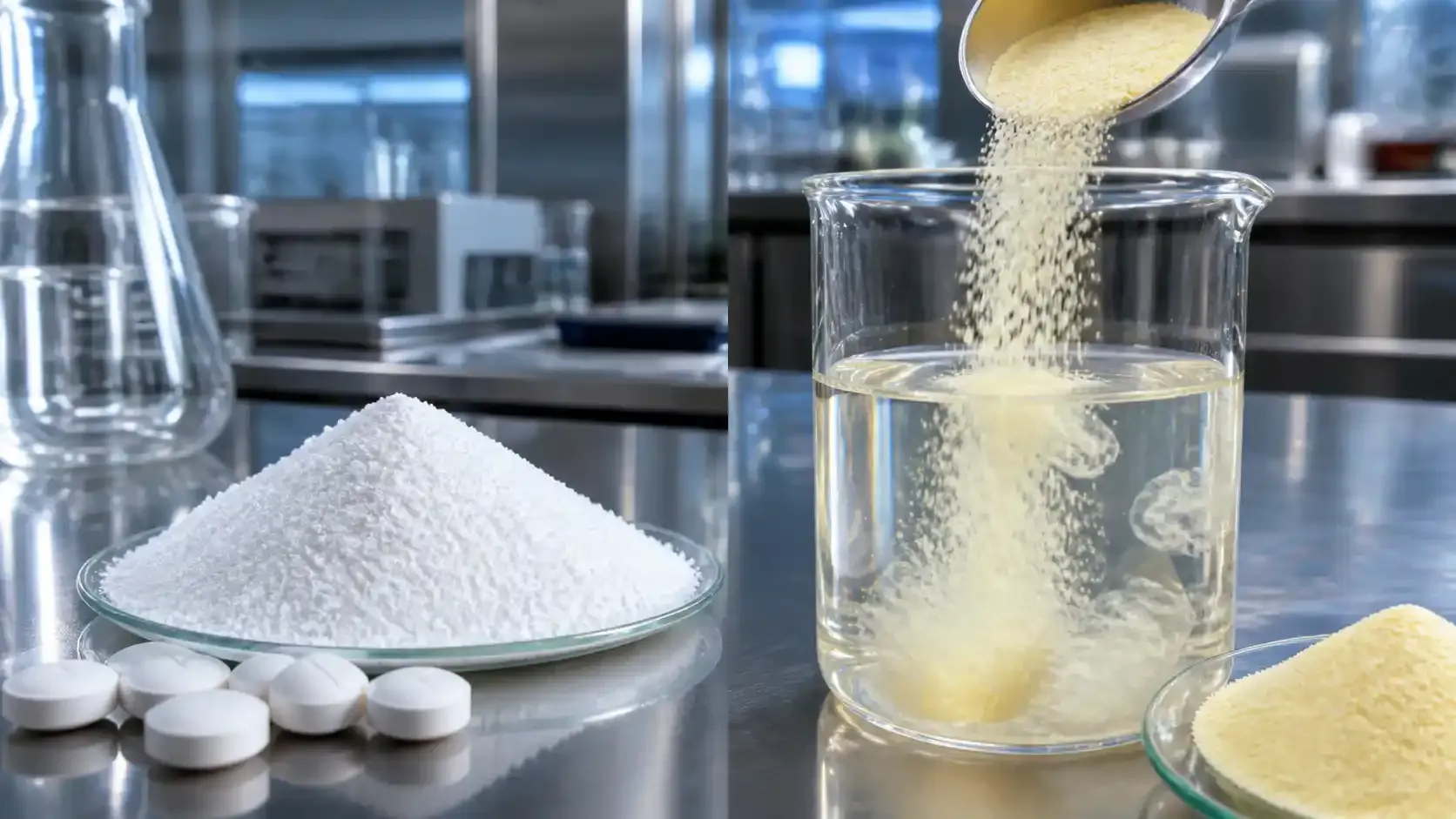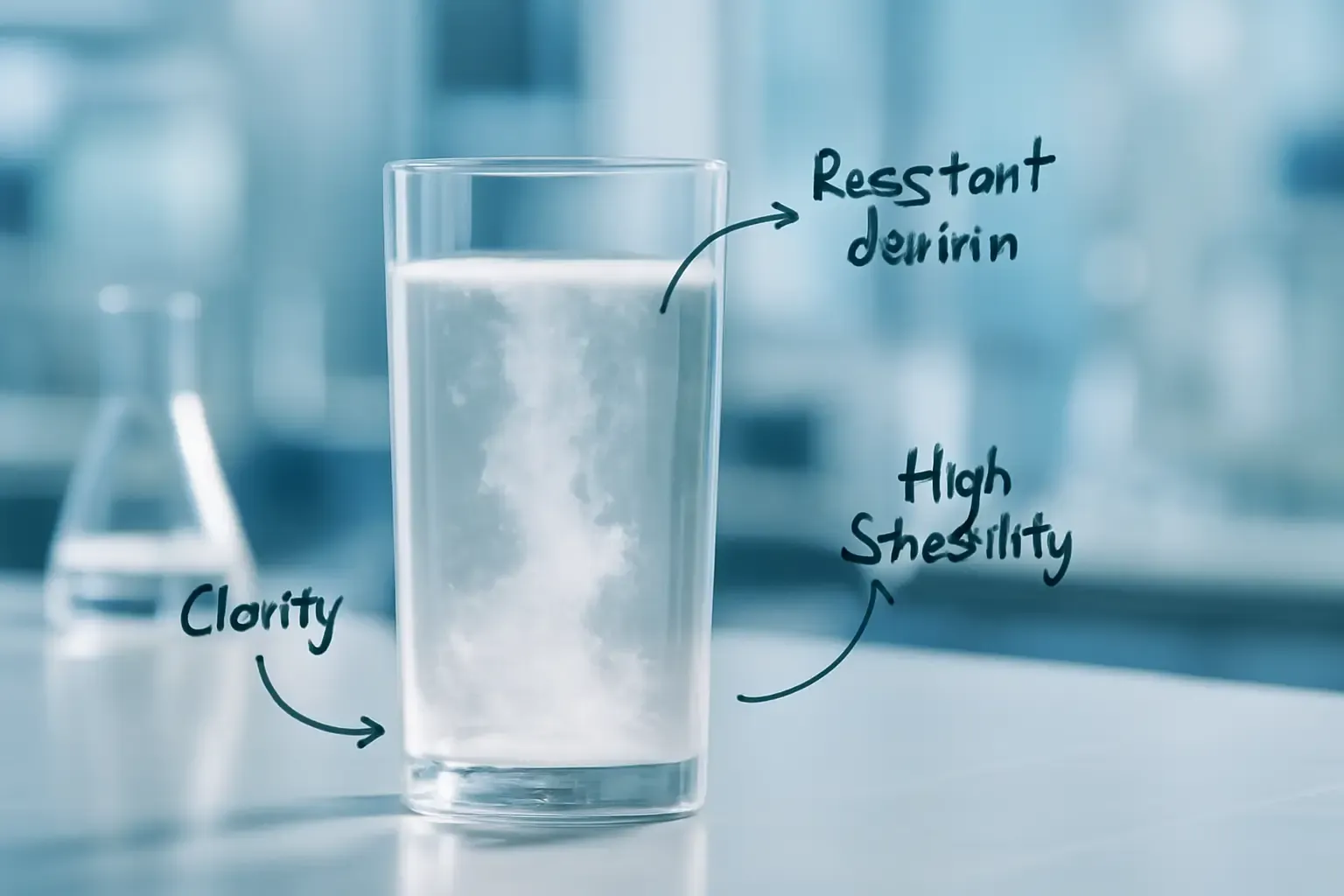
As low-sugar positioning and “fiber per serving” claims move from niche to mainstream, beverage teams are discovering a hard truth: fiber is easy to add on paper, but difficult to keep stable in the bottle. Haze, viscosity creep, off-notes, and sediment can turn a promising prototype into a costly reformulation. One of the most scalable fixes is resistant dextrin—a soluble dietary fiber that helps raise fiber content while staying drinkable. When sourced with the right specifications and documentation, resistant dextrin can support clear or lightly cloudy drinks, instant powders, and meal replacements without forcing major process changes. This article focuses on what resistant dextrin must deliver in real formulations, how it is commonly used in beverages, and how buyers can evaluate a reliable manufacturer using clear, procurement-friendly checkpoints.
Why Beverage Teams Are Rethinking Soluble Fiber Choices
The market shift is straightforward: brands want less sugar, more function, and a label that still reads clean to consumers. For research and procurement teams, that usually translates into a shortlist of soluble fibers that can survive:
- Low pH and flavor systems
- Heat treatment (including hot-fill or similar thermal steps)
- Distribution time (viscosity stability over shelf life)
In practice, older solutions can bring trade-offs. Some fibers are excellent nutritionally but can be sensitive to acidity, create strong sweetness or “dairy” notes, or thicken faster than expected once the product sits.
Resistant dextrin is often selected because it is designed for high solubility, neutral taste, and process stability—traits that matter when a “high fiber beverage” must still feel like a beverage.
For buyers exploring global sourcing options, Shandong, China, has become a prominent hub due to its concentrated capacity and export-oriented supply chains. Suppliers such as Shandong Shine Health Co., Ltd. are frequently reviewed by procurement teams because they publish practical specifications and emphasize quality control for consistent batches.
Formulation Pattern One: RTD Drinks That Stay Light and Stable
For ready-to-drink (RTD) concepts—functional waters, sports beverages, metabolic drinks, or “better-for-you” teas—the job of resistant dextrin is typically to increase fiber without forcing a heavy mouthfeel.
What Resistant Dextrin Needs to Do in an RTD
A practical RTD brief usually includes:
- Neutral sensory profile: The ingredient should not dominate sweetness, aroma, or aftertaste.
- Low viscosity impact: The fiber should not turn an RTD into a shake unless the product is specifically meant to be thick.
- Heat and acid robustness: It should remain stable during processing and within typical beverage acidity levels.
Suppliers commonly communicate stability through pH and processing-friendly parameters. For instance, industry standards often require resistant dextrin to maintain stability at pH 3–6, which perfectly aligns with many beverage designs.</