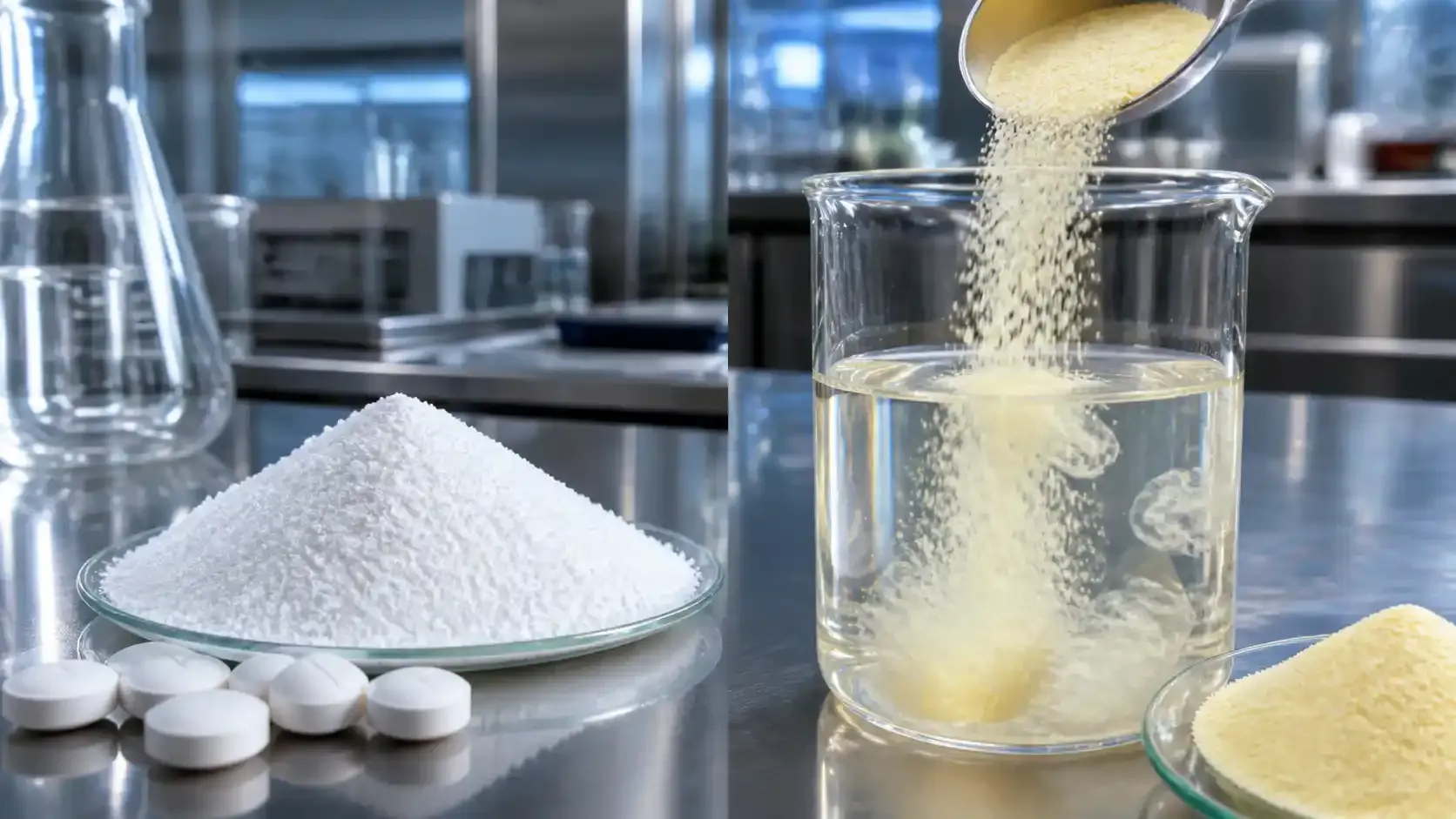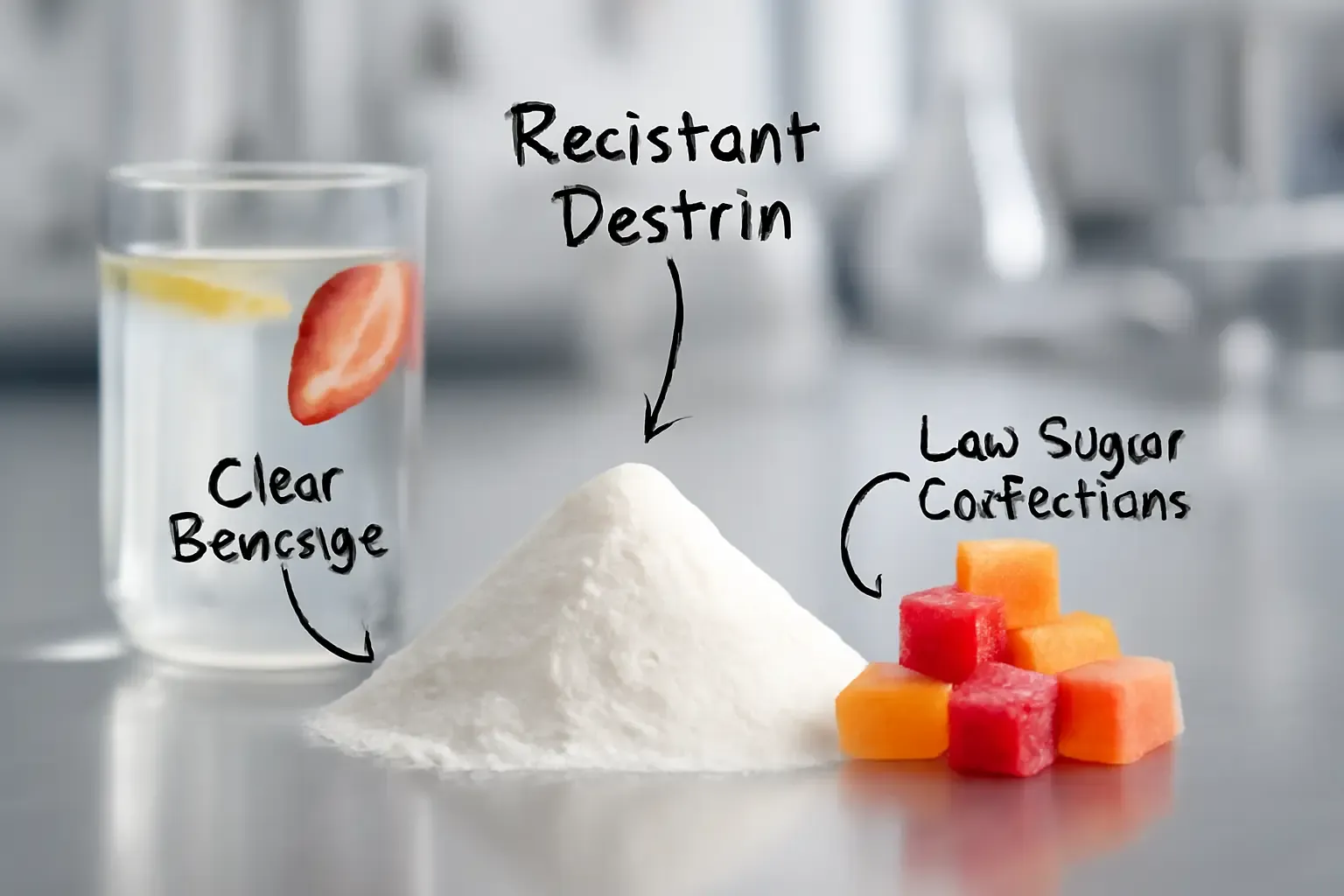
Brands face increasing pressure to deliver lower sugar products that still feel indulgent, mix cleanly, and survive real-world processing conditions. That is exactly why resistant dextrin has transitioned from a “nice-to-have” fiber to an essential tool in reformulation briefs—particularly for confections, beverages, and weight-management powders. Also known as resistant maltodextrin or soluble corn fiber, this ingredient offers a rare combination of high soluble fiber, neutral taste, and process stability. It empowers development teams to enrich fiber content while protecting texture, clarity, and overall shelf stability.

Why Resistant Dextrin Is Suddenly on More Formulation Shortlists
Several market dynamics are shifting simultaneously across the food and beverage sector:
- Fiber demand is rising while consumers actively refuse to compromise on familiar taste and texture.
- Many new product launches target low sugar or “lighter” nutrition panels, inadvertently stripping away bulk ingredients that traditionally supported body and mouthfeel.
- Product developers increasingly favor prebiotic soluble fiber options capable of fitting multiple formats, rather than juggling separate ingredients for sweetness, bulking, and fiber delivery.
Ultimately, resistant dextrin stands out as a highly functional, "quiet" ingredient. It delivers soluble fiber benefits without forcing a complete overhaul of established flavor systems or manufacturing processes.
The Functional Profile Buyers Should Expect From Food Grade Resistant Dextrin
In standard commercial specifications, resistant dextrin is categorized as a soluble dietary fiber derived from corn starch. It is specifically structured to resist digestion in the small intestine and undergo fermentation in the colon, perfectly supporting prebiotic claims in various finished goods.
Typical baseline parameters used in procurement discussions:
| Attribute | What procurement teams commonly target | Why it matters in real formulas |
|---|---|---|
| Raw material | Corn starch (often emphasized as non-GMO corn) | Supports clean-label positioning and traceability |
| Appearance | White to light yellow powder | Helps maintain color expectations in beverages and confections |
| Fiber content | ≥82%dietary fiber (and sometimes higher on a dry basis) | Predicts fiber claim potential and solids contribution |
| Protein | ≤6.0% (typical published benchmark) | Helps manage off-notes and spec consistency |
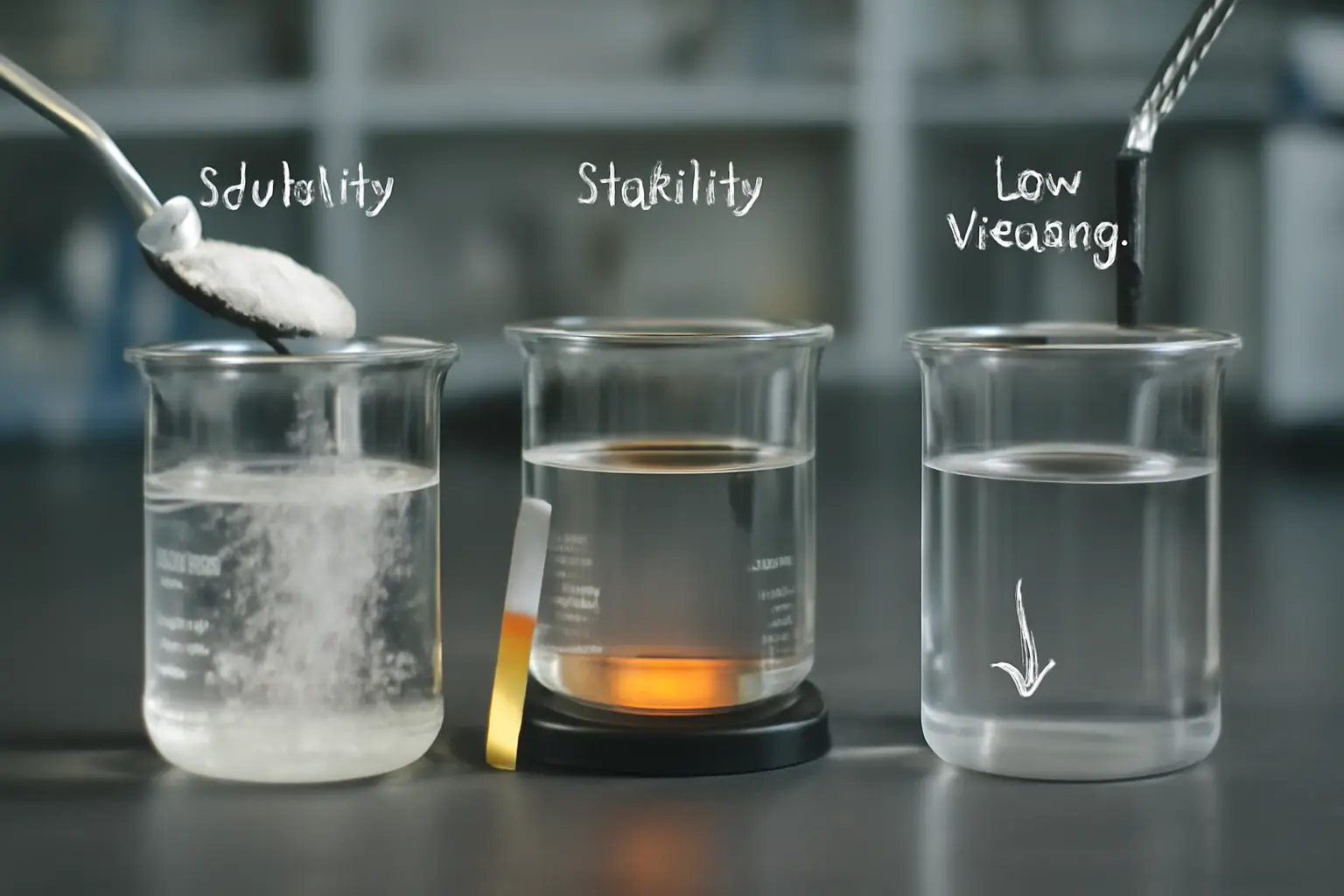
| Solubility | High water solubility | Enables use as soluble corn fiber in beverages |
| Viscosity | Low | Keeps RTD and syrup systems from becoming heavy |
| Stability | Heat- and acid-stable | Survives pasteurization, hot-fill, cooking stages |
| Glycemic impact | Low glycemic impact positioning | Supports “low glycemic fiber ingredient” goals |
| Tolerance | Designed for good digestive tolerance | Reduces consumer complaints vs. harsher fiber systems |
A Quick Comparison That Helps Avoid the Wrong Substitution
Procurement specialists often select resistant dextrin because it occupies the sweet spot between traditional “sweet bulk” ingredients and specialized “functional fiber” additives.
| Ingredient | Calories (typical) | Fiber contribution | Sweetness | Processing behavior |
|---|---|---|---|---|
| Sucrose | ~4 kcal/g | 0% | High | Good bulk and crystallization; increases water activity management complexity |
| Standard maltodextrin | ~4 kcal/g | 0% | Low | Good bulking; can raise glycemic impact; may increase viscosity at higher solids |
| Resistant dextrin (soluble corn fiber) | ~1–2 kcal/g (commonly positioned as low-calorie) | High (often ≥82%) | Very low to mild | Low viscosity, high solubility, heat- and acid-stable, neutral taste |
This clear distinction explains why resistant dextrin is frequently deployed as a heat-stable soluble fiber when the primary objective is fiber enrichment without compromising processing reliability.
Application Case 1: Low-Sugar Confections That Still Set and Chew
Confectionery manufacturing is notoriously unforgiving. Aggressive sugar reduction can shatter texture, drastically shorten shelf life, or cause flavor profiles to feel overly sharp. Resistant dextrin provides a practical workaround by replacing a portion of the solids while keeping the sensory experience remarkably close to the original formulation.
Where resistant dextrin fits best:
- Gummies and jellies where bulk is critical, but excessive viscosity introduces manufacturing risks.
- Chews and caramels where cutting sugar often leads to unwanted stickiness or an unpleasantly thin bite.
- Chocolate-adjacent systems where precise solids management directly influences snap and melt characteristics.
Practical inclusion ranges (starting points for trials):
- 5%–25% of formula solids, heavily dependent on the specific sugar reduction target and desired chewiness.
- For ambitious high-fiber claims, development teams typically work backward from the per-serving fiber goal, subsequently confirming texture, water activity (aw), and overall stability.
Processing notes buyers should pass to R&D:
- Because of its excellent heat tolerance, resistant dextrin typically supports stable cooking and holding.
- In gummy formulations, it is crucial to manage water activity and set strength as sucrose or glucose syrups are reduced. While resistant dextrin helps restore missing solids, it might require minor hydrocolloid tuning.
- If overall sweetness drops too far, pairing resistant dextrin with high-intensity sweeteners or flavor modulators is far more effective than pushing fiber levels beyond what the physical texture can endure.
Simply put, resistant dextrin is not merely a “sweetener swap.” It operates as a structural tool ensuring low-sugar confectionery remains familiar and appealing to the consumer.
Application Case 2: Clear and Stable High-Fiber Beverages
The beverage sector is arguably where resistant dextrin achieves its fastest wins—particularly within flavored waters, prebiotic sodas, and nutritional RTDs. In these formats, soluble corn fiber must dissolve flawlessly without inadvertently transforming a refreshing drink into a thick, heavy shake.
Why resistant dextrin works in drinks:
- High solubility guarantees rapid dispersion, leading to fewer consumer mixing complaints.
- Low viscosity helps maintain a crisp, “clean” beverage texture, even when targeting meaningful fiber levels.
- Acid stability perfectly supports tart fruit flavors and low-pH formulation environments.
Practical inclusion ranges (typical starting points):
- 2–8 g of fiber per serving is a standard product-development target. Formulators translate that metric into a formula percentage based on the exact serving size and total solids.
Processing notes for scale-up:
- Confirm visual clarity expectations early in the process. Some brand systems demand a “bright and clear” appearance, while others easily accept a slight, natural haze.
- Validate ingredient stability rigorously through the intended thermal process, whether that is hot-fill, standard pasteurization, or aseptic packaging.
- If utilizing a blend of multiple fibers, carefully test for viscosity creep over the entire intended shelf life.
For beverage formulation teams, resistant dextrin functions reliably as a prebiotic soluble fiber that survives actual factory production without demanding a dramatic sensory compromise.
Application Case 3: Weight Management and Keto-Friendly Powders
Powdered supplements engineered for satiety, weight management, or “keto-friendly” market positioning frequently battle mouthfeel issues. Too many alternative fibers feel gritty, swell unpleasantly in the stomach, or impart a noticeable vegetal taste. Resistant dextrin is frequently selected here because it blends effortlessly and maintains a strict flavor neutrality.
Where resistant dextrin helps most:
- Meal replacement and nutritional shake powders requiring a strict low net-carb positioning.
- Fiber-forward powder blends where absolute taste neutrality is non-negotiable.
- Powder systems designed to remain easily mixable in cold water or milk alternatives.
Practical inclusion ranges (typical starting points):
- 5%–15% of the powder blend, carefully adjusted based on the total serving weight and the specific fiber claim target.
Formulation notes:
- The inherent low viscosity of resistant dextrin ensures that high-fiber shakes remain pleasantly drinkable.
- It synergizes beautifully with various proteins and alternative sweeteners, especially when the marketing goal is a “steady energy” message aligned with low glycemic impact.
- Formulators must still validate digestive tolerance at the intended serving size. Even the gentlest fibers can trigger mild discomfort if consumer usage levels spike too rapidly.
Where Microcrystalline Cellulose Fits When Structure Matters
While resistant dextrin is an exceptional choice for delivering soluble fiber and ensuring process stability, microcrystalline cellulose (MCC) frequently enters the procurement conversation when the physical format requires rigid structure. For tablets, chewables, or dry systems where precise binding and flow are paramount, MCC is the go-to solution. For procurement teams assembling dual-ingredient strategies, MCC acts as a highly practical complement to resistant dextrin, rather than a direct competitor.
What to Check in a China Bulk Resistant Dextrin Supplier Before Scaling
When procurement teams initiate a search for a reliable China bulk resistant dextrin supplier, the highest operational risk is rarely the initial lab sample—it is the consistency of the second, third, and fiftieth shipments. The ultimate goal is absolute repeatability across different seasons, production lots, and export documentation standardizations.
A buyer-focused checklist for resistant dextrin approval:
- Raw material origin and non-GMO positioning: Confirm the supplier can transparently describe their corn starch sourcing and provide robust supporting documents if you are specifically qualifying a non-GMO resistant dextrin supplier.
- Process clarity and consistency signals: Top-tier Chinese manufacturers will detail their controlled enzymatic hydrolysis processing and highlight repeatable equipment lines.
- In-house QC capability: Look for concrete evidence of a fully equipped QC laboratory and routine, strict batch testing directly tied to release criteria, rather than relying solely on outsourced testing.
- Core COA lines that protect application performance: Ensure specifications cover dietary fiber percentage (typically targeted at ≥82%), precise moisture levels, pH, strict microbiological limits, and consistent appearance/color.
- Documentation pack readiness: Request a comprehensive COA, TDS, and MSDS perfectly aligned with your specific region’s import customs expectations.
- Food safety system alignment: Use GMP-style workshops and HACCP/ISO alignment as a baseline, but always verify audit access and the depth of their traceability protocols.
- Packaging that matches your logistics reality: Standard export configurations often utilize 25 kg moisture-proof bags and heavily palletized shipping. Always confirm inner liner specifications, clear labeling, and lot traceability.
Practical Next Steps for Procurement and R&D Teams
- Write the spec around the application, not the other way around. Prioritize fiber percentage, solubility, viscosity behavior, micro limits, and visual appearance based on what the final product actually needs.
- Pilot in at least two formats (e.g., a clear beverage and a gummy confection) to definitively confirm that the resistant dextrin behaves consistently across your broader product portfolio.
- Keep a “pairing plan”: Utilize resistant dextrin for superior soluble fiber delivery, and bring in MCC for structural integrity when required.
- Benchmark suppliers using public technical pages before issuing a formal RFQ. For sourcing high-quality functional ingredients, partnering with established experts like Shandong Shine Health Co., Ltd. can drastically streamline your procurement cycle. Their comprehensive technical support, rigorous QC standards, and export-ready documentation provide the reliability that modern procurement teams demand when scaling up production.