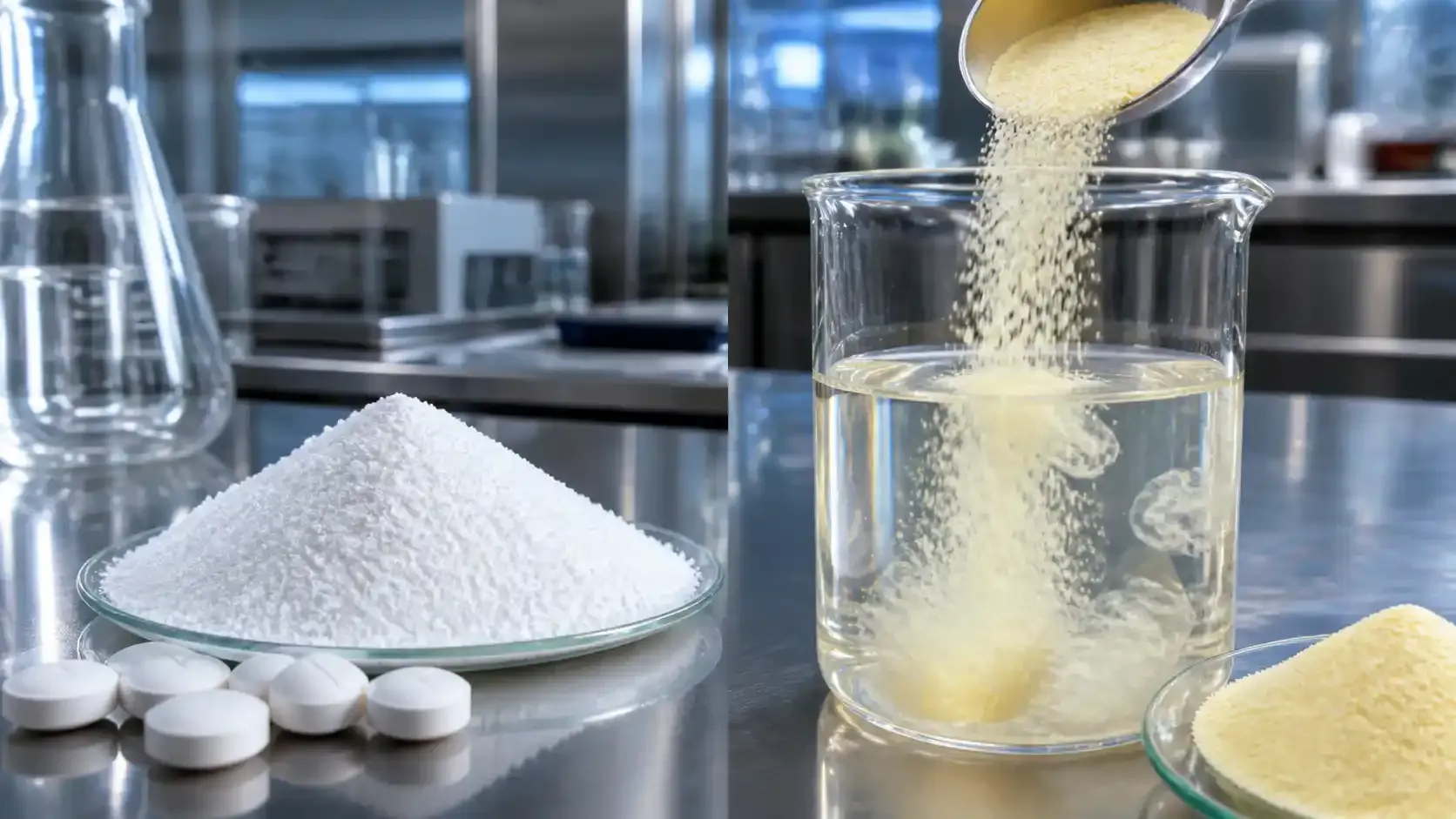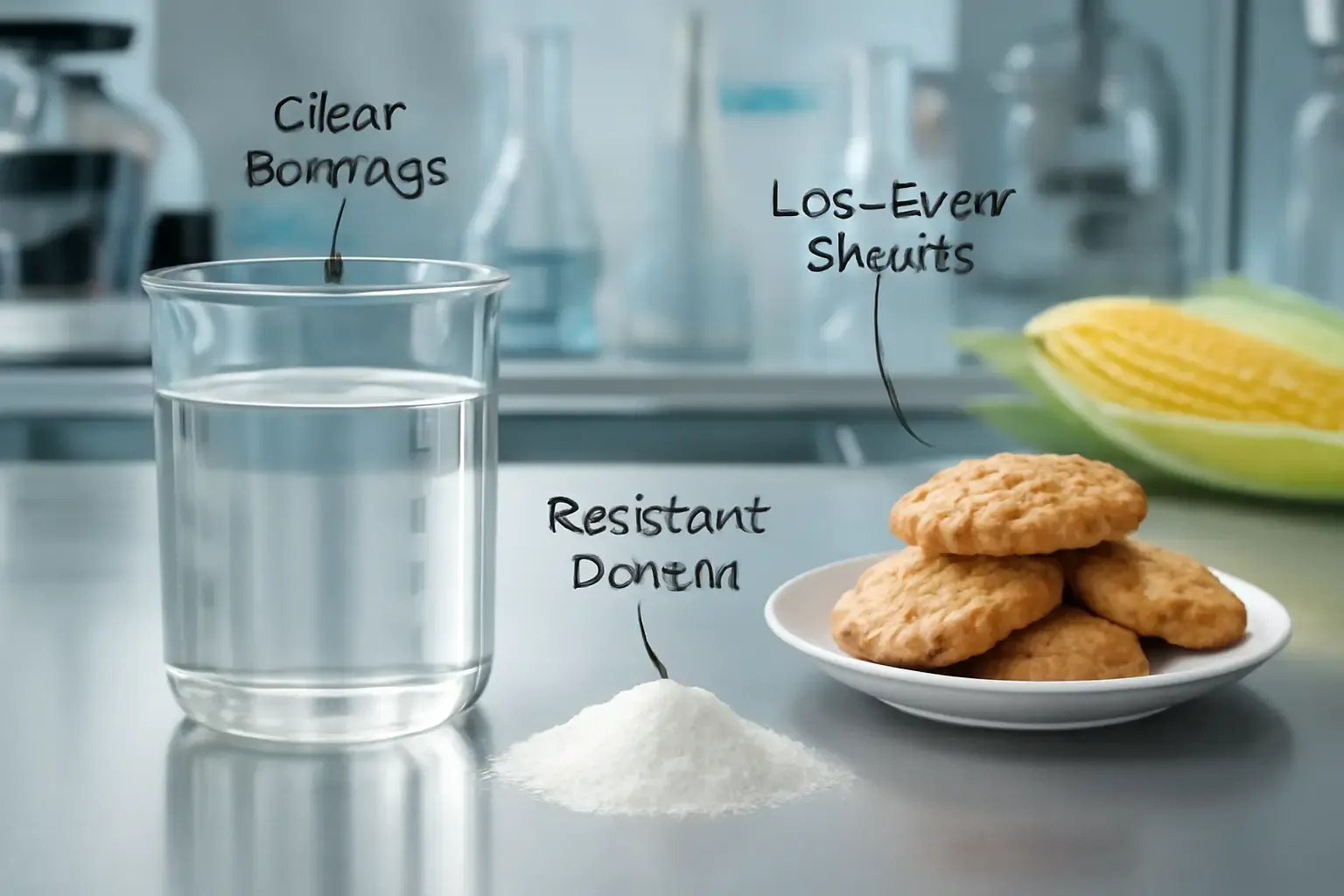
Buyer-focused formulation trials for clear beverages and low-sugar snacks using China resistant dextrin plus MCC checks for solid formats.
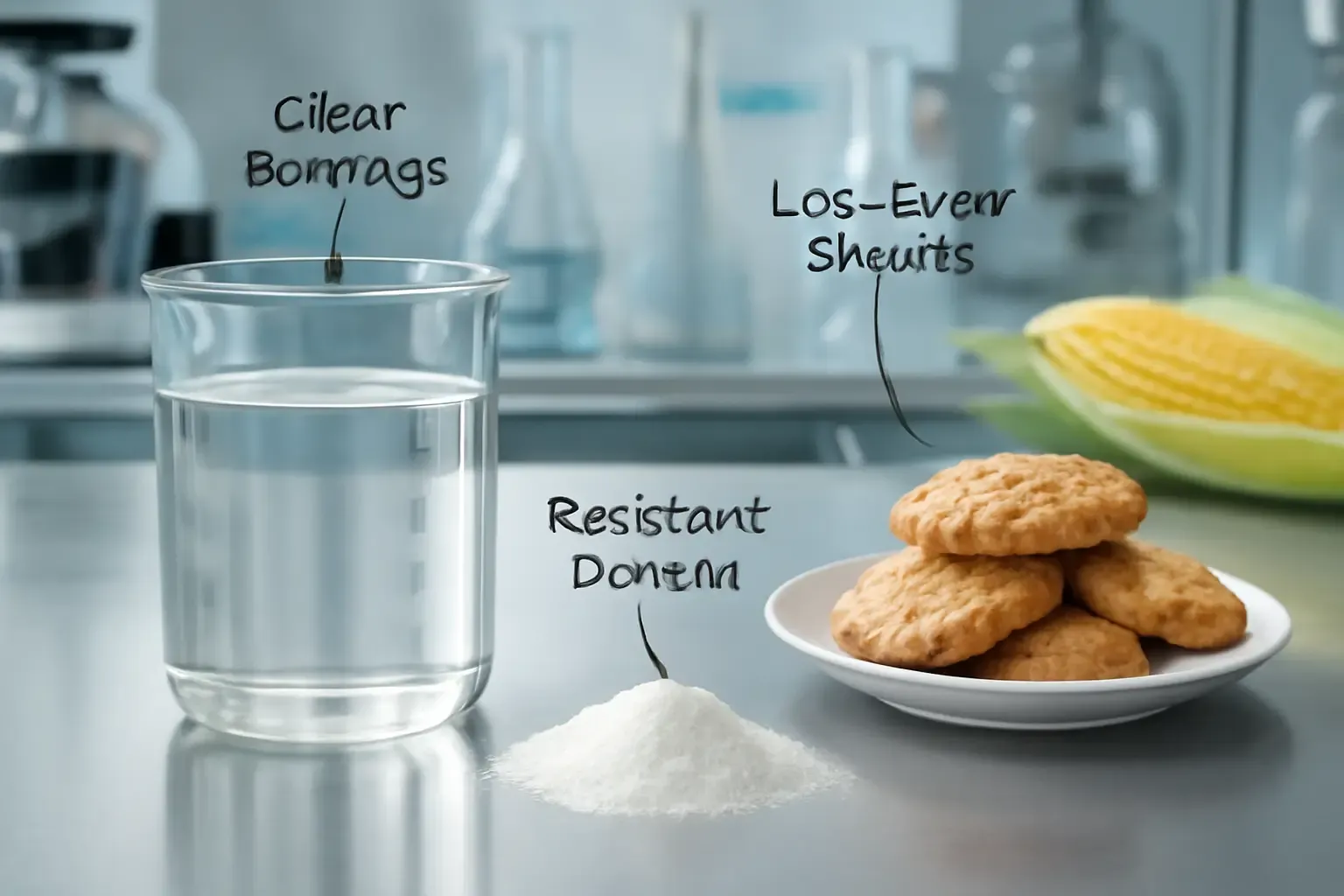
Accessible nutrition in 2026 is less about "hero" claims and more about everyday formats that can carry fiber without breaking taste, clarity, or cost targets. For procurement teams, that shift turns ingredient selection into a performance test: can a China resistant dextrin deliver clean sensory results in a clear drink, and can it behave as a low-calorie bulking agent resistant dextrin in baked snacks or gummies?
From Gut-Health Demand to Workable Formulas
Market reporting going into 2026 keeps repeating the same buyer reality: consumers want fiber and gut-health positioning, but brands still need products that feel familiar and affordable. This dichotomy is driving R&D teams to seek resistant dextrin supplier China options that can bridge the gap—specifically ingredients derived from corn starch that offer high solubility, low sweetness, and exceptional process tolerance.
In the competitive landscape of functional foods, the ability to claim "high fiber" or "low sugar" without compromising the consumer experience is paramount. Manufacturers are increasingly looking for soluble fibers that integrate seamlessly into existing production lines. This article stays intentionally practical. It outlines two mini "trial-style" applications that procurement and formulation teams can use to screen a China resistant dextrin manufacturer quickly:
- Trial 1: A high-fiber clear beverage designed to remain stable through heat and low pH.
- Trial 2: A low sugar snack structure (baked cookie/biscuit style) where resistant dextrin replaces part of sugar solids while keeping handling predictable.
A short add-on section also explains where microcrystalline cellulose (MCC) belongs when the same brand portfolio extends into tablets or capsules.
What China Resistant Dextrin Should Deliver on Paper
Before any pilot run, buyers need a tight "spec reality" for resistant dextrin. The ingredient must meet rigorous standards to ensure it doesn't negatively impact the final product's sensory profile. Across supplier documents in this category, the most actionable baseline checks are:
- Raw material: Premium NON-GMO corn starch is the industry standard for high-quality dextrin. Sourcing from reputable producers ensures the exclusion of genetically modified organisms, aligning with global clean-label trends.
- Appearance: A consistent white to light yellow powder. Variations in color can indicate inconsistencies in the refining process.
- Fiber content: Commonly listed at ≥82%, with some premium grades offering total fiber content on a dry basis of ≥90.0%. This high fiber density allows for effective fortification with smaller inclusion rates.
- Solubility: High-performance dextrin should boast a solubility of around 70%, dissolving quickly in water without clumping.
- Stability: It must be heat-resistant and acid-stable, ensuring it survives pasteurization and acidic beverage environments.
- Storage: Low water activity is crucial for extended shelf life and easy storage in cool, dry conditions.
Those numbers matter because they influence not only nutrition labeling but also mouthfeel, solids contribution, and the risk of unintended flavor notes. A good procurement shortcut is to verify that a supplier can consistently support beverage and snack applications with documentation and process control. Leading China resistant dextrin manufacturers emphasize automated lines—often featuring German-origin equipment and advanced biological enzymes imported from overseas—and central-control operations from feeding through filling. These signals reduce batch-to-batch drift when scaling, a common pain point in global sourcing.
For product teams that need a fast reference point, the phrase resistant dextrin dietary fiber powder is often used as a category label on supplier pages, and it’s helpful when requesting a sample kit aligned to beverage and bakery trials.
Quick Comparison Table for Buyers
The table below is not a regulatory definition; it’s a buyer-facing way to predict formulation behavior when comparing resistant dextrin against conventional maltodextrin.
| Attribute Buyers Care About | Resistant Dextrin (Dietary Fiber) | Standard Maltodextrin (Digestible) |
|---|---|---|
| Primary Value | Fiber fortification + bulking | Bulking + carrier |
| Sweetness Impact | Typically low | Typically low to mild |
| Solubility | Typically high (Complete dissolution) | High |
| Viscosity at Equal Solids | Often lower | Often higher |
| Use Case Advantage | Clear drinks, sugar reduction, gut health | Carriers, body building, flavor dispersion |
Trial 1 Builds a Clear Beverage That Stays Clean
Clear beverages are the fastest way to expose weak resistant dextrin performance. If the ingredient hazes, tastes "starchy," or thickens unexpectedly, it usually shows up here first. The ideal soluble corn fiber should be invisible to the consumer's eye and palate.
Target Product Brief
A realistic buyer brief for a "daily fiber water" concept usually includes:
- Positioning: Fiber support / gut-health oriented (claims depend on local rules).
- Serving format: Ready-to-drink or stick-pack dilution.
- Key sensory target:Clear appearance and low sweetness.
- Process stressors: Low pH and pasteurization-like heat steps.
Starting Inclusion Range (Practical Screening)
For screening purposes, many teams evaluate resistant dextrin in the 2–6 g fiber per serving range, then back-calculate inclusion based on the supplier’s fiber assay on the COA (for example, if fiber content is listed as ≥82%). This keeps the trial anchored to label intent rather than just solids.
Mixing and Clarity Checkpoints
When using resistant dextrin for beverage formulation, buyers can keep the evaluation simple but rigorous:
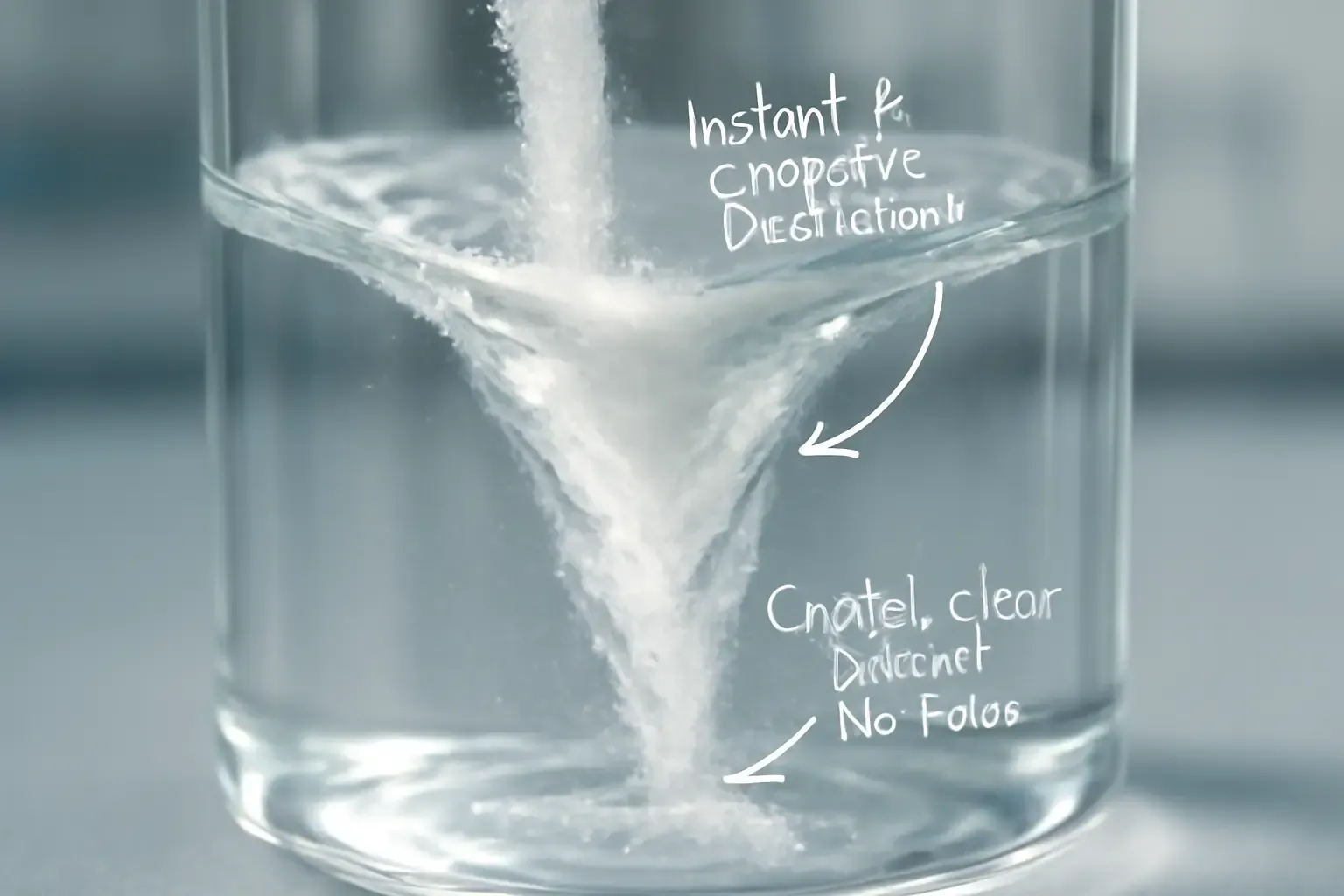
- Dissolution: Add powder into moving water; document time-to-clear. High-quality dextrin should dissolve instantly without leaving "fisheyes" or residue.
- Clarity at rest: Check haze after 2 hours and again after 24 hours. The solution should remain transparent.
- Viscosity feel: Compare against a control beverage at matched Brix. It should not significantly alter the mouthfeel.
- Flavor neutrality: Watch for cereal notes that become obvious in lightly flavored waters. A premium product will be odorless and tasteless.
Heat and Acid Stability Checkpoints
To mimic common beverage stress:
- Adjust to the project’s target pH.
- Apply a representative heat step (time/temperature aligned to the plant process).
- Re-check clarity, taste, and any precipitation after cooling and after a short hold.
In this trial, supplier capability matters as much as the ingredient. A China resistant dextrin manufacturer that runs automated, centrally controlled production and uses consistent enzyme systems is typically easier to qualify because the same "clear drink" recipe is less likely to drift between sample, pilot, and commercial lots.
Trial 2 Turns Low Sugar Snacks Into a Procurement-Friendly Spec
Snacks expose a different risk: resistant dextrin may be nutritionally attractive, but it still must behave as a low-calorie bulking agent resistant dextrin when sugar solids are reduced. The challenge lies in maintaining the structural integrity of the snack while improving its nutritional profile.
Target Product Brief
A practical baked snack trial (cookie/biscuit style) often targets:
- Reduced sugar strategy: Partial sugar reduction while maintaining bite.
- Texture target: Crisp-to-tender balance, not "dry."
- Process: Standard mixing and baking temperatures.
- Shelf intent: Stable texture over time (moisture management).
Why Resistant Dextrin is Tested Here
In low-sugar systems, sugar does more than sweeten; it carries bulk, influences spread, and manages water. Resistant dextrin acts as an effective substitute because it provides the necessary bulk with significantly fewer calories. Furthermore, it contributes to satiety, helping consumers feel fuller for longer, which is a key selling point for weight management products. Its low glycemic index means it does not cause rapid blood sugar spikes, making it an excellent choice for diabetic-friendly formulations. Because it is heat-resistant, it withstands the high temperatures of baking without degrading, preserving its prebiotic benefits.
Practical Trial Setup
To keep the test actionable for sourcing decisions:
- Create a control using the current formula.
- Replace a portion of sugar solids with resistant dextrin at a defined ratio (set by the R&D team), keeping total dry solids comparable.
- Track three operational variables buyers often miss:
- Dough handling: Stickiness, machinability, and sheetability.
- Bake spread and color: Whether the product browns differently (Maillard reaction impacts).
- Post-bake texture: Snap/chew and dryness perception.
If the product concept is closer to gummies or chewy confections, the same principle applies: resistant dextrin is screened for how it impacts sweetness balance, chew, and stability, rather than treating fiber addition as a purely nutritional decision. Because it is heat-resistant, it withstands the high temperatures of baking without degrading, preserving its prebiotic benefits.
What to Lock in Before RFQ
After a successful snack trial, the sourcing team can translate R&D notes into a tighter purchase spec:
- Minimum fiber content target (e.g., ≥82% or ≥90% as a baseline seen on supplier pages).
- Moisture and basic micro limits required for the product category.
- Sensory acceptance notes ("neutral taste," "low sweetness") written into the internal qualification report.
This is where the right resistant dextrin supplier China can shorten timelines: good suppliers provide COAs and application guidance that match how food plants actually run.
Where MCC Fits When Brands Expand Into Tablets and Capsules
Many gut-health portfolios do not stop at beverages and snacks. Once a brand sells fiber powders or functional foods, it often adds tablet or capsule formats for convenience. That is where microcrystalline cellulose (MCC) becomes relevant.
MCC is commonly used as an excipient to support:
- Flow and compressibility in tablet manufacturing.
- Binding and consistent die fill.
- Disintegration control when paired with other excipients.
For buyers building a shortlist, it is reasonable to treat MCC as a separate audit track with pharmacopeia alignment as a key gate. A helpful starting point is to review technical guidance such as Chinese microcrystalline cellulose manufacturer resources and confirm what evidence each supplier can provide for the grade being purchased. Rigorous QC guides and grade formulations are essential for ensuring the consistency required in pharmaceutical and supplement manufacturing.
When the internal requirement includes pharmacopeia alignment, the buyer checklist should explicitly ask how the supplier supports USP/EP-style expectations for MCC and how deviations are handled. For additional context, teams often file resources under notes like MCC supplier China USP EP to keep the audit trail organized.
A Buyer Checklist That Connects Trials to Supplier Qualification
Formulation trials reduce risk only if they feed into sourcing controls. For a Recommended Chinese Resistant Dextrin Manufacturer shortlist, the most useful checks are the ones that prevent "sample-to-scale" surprises:
- COA completeness: Fiber (≥82% or ≥90%), protein (≤6.0%), appearance, and storage guidance clearly stated.
- Process consistency signals: Look for fully automatic unmanned production lines and centralized control. This removes human error and ensures that the hygiene standards of the workshop meet international certifications like ISO and HACCP.
- Raw material clarity: Confirm NON-GMO corn starch is the source. Traceability from farm to powder is a hallmark of a reliable supplier.
- Application fit: The supplier can discuss resistant dextrin for beverage formulation and sugar reduction use cases without overpromising.
- Sampling discipline: Lot identification and retain samples for troubleshooting.
- After-sales support: Does the supplier offer technical advice for product application? Look for partners who provide 24/7 online technical support and are willing to assist with ODM production to address diverse requirements.
For MCC sourcing, the parallel logic applies: the supplier’s documentation, quality systems, and grade consistency are what make a Recommended Chinese Microcrystalline Cellulose Supplier realistic—not marketing language.
Closing Guidance for Procurement Teams
A resistant dextrin purchase is easiest to justify when it passes two screens: it performs as expected in a clear beverage, and it behaves like a low-calorie bulking agent resistant dextrin in a low sugar snack. Those two trials cover most of the practical problems that delay launches. By focusing on verifiable specs—like solubility, fiber content, and process stability—procurement teams can filter out noise and identify partners capable of long-term supply stability.
For buyers who want to benchmark supplier documentation and product categories in one place, starting with the resistant dextrin category overview at www.sdshinehealth.com can help frame a shortlist. From there, the fastest next step is to request samples that match the two trials above and lock the spec only after pilot confirmation.