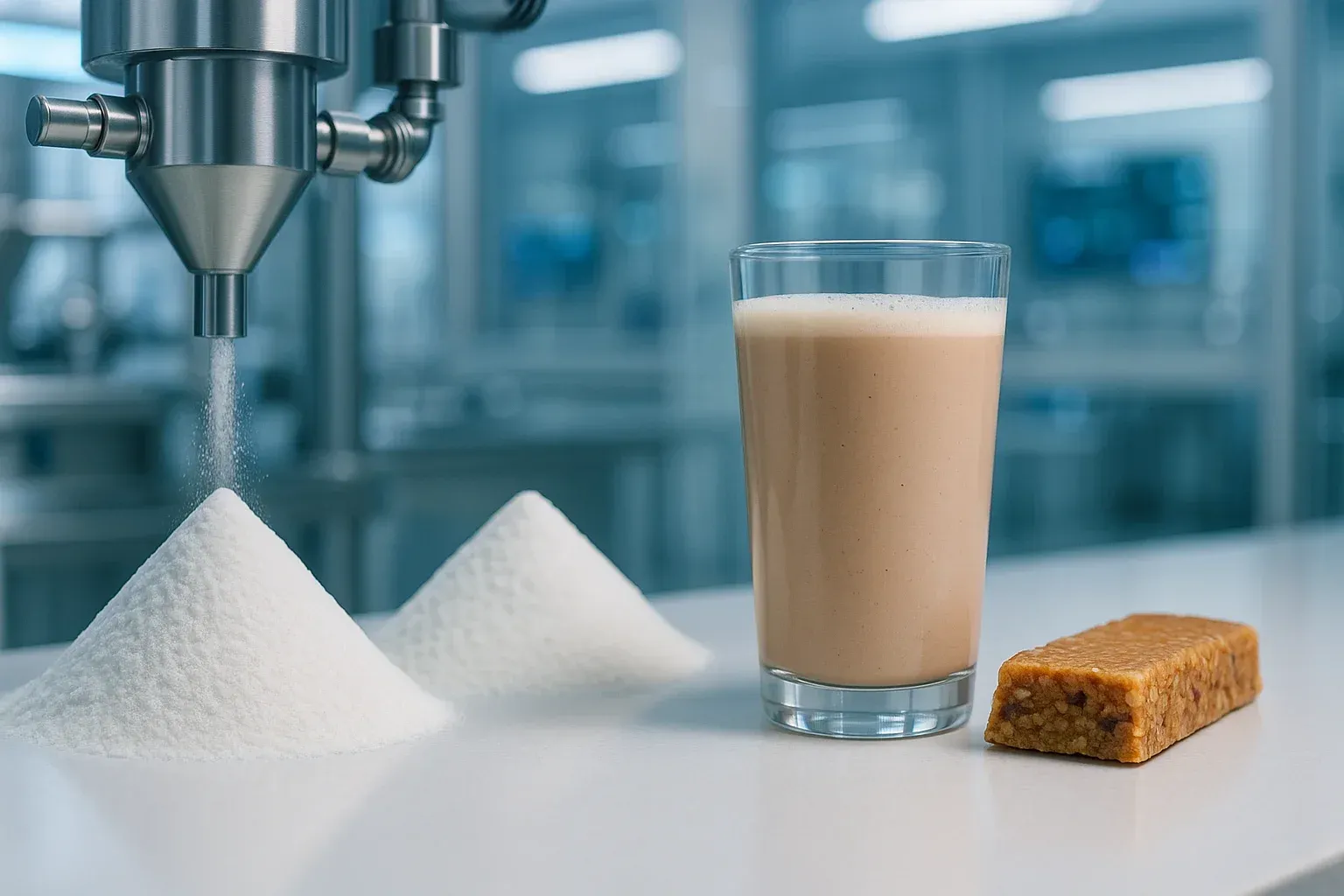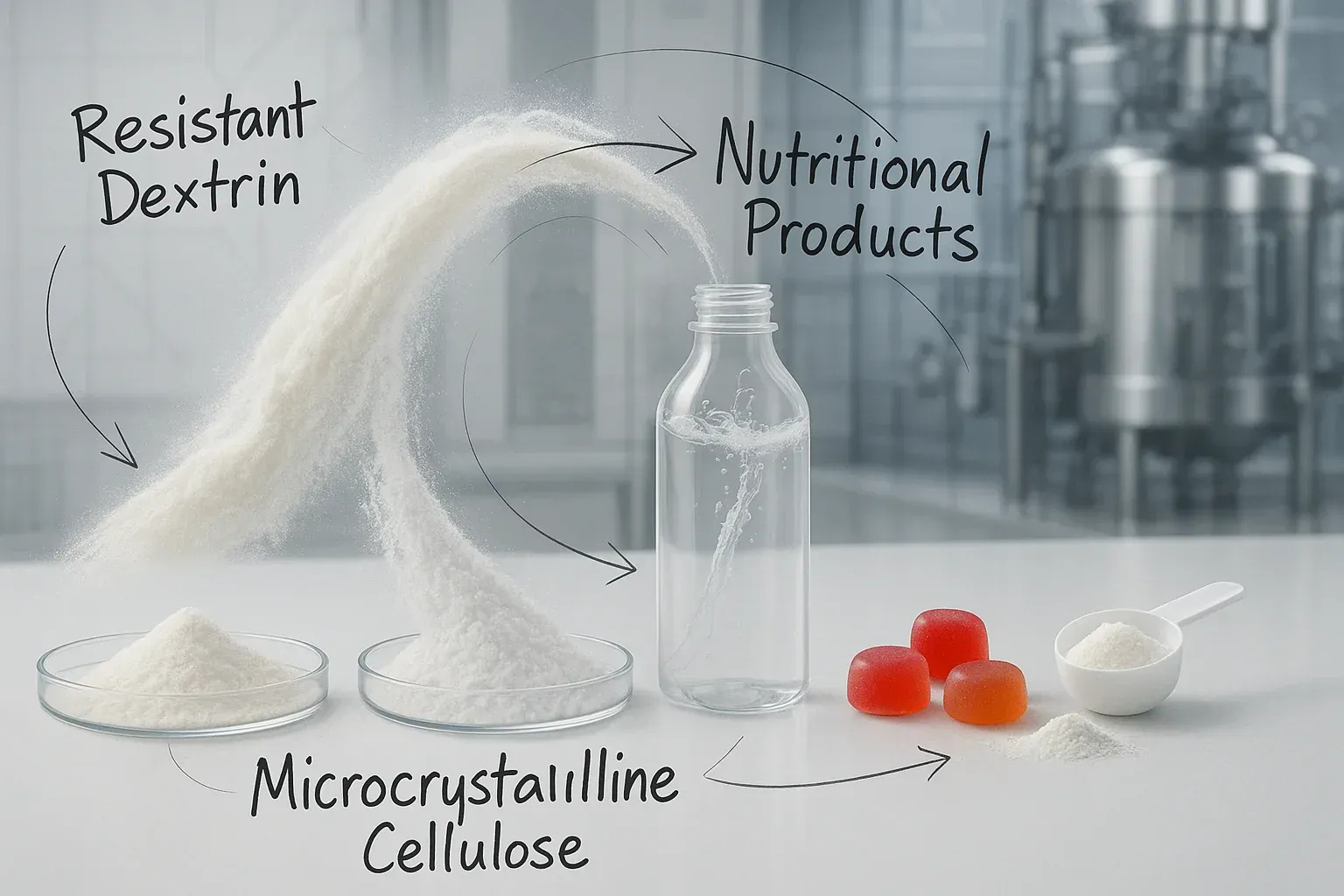


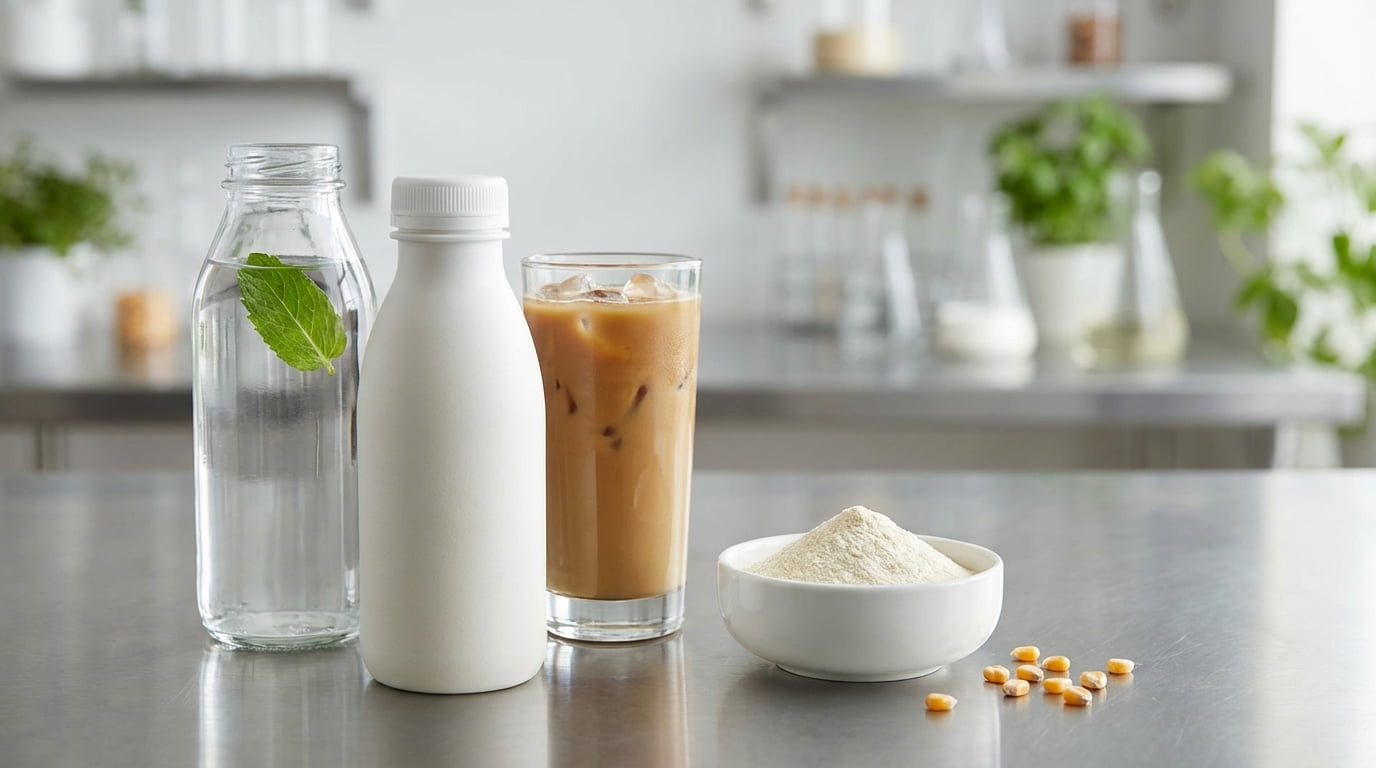
Across RTD beverage portfolios—waters, coffees, and protein shakes—fiber is moving from a “nice-to-have” into a repeatable platform feature. The challenge is that ready-to-drink (RTD) beverages are unforgiving: they need clarity (or controlled opacity), stable flavor, consistent mouthfeel, and shelf-life performance after heat treatment. This is where resistant dextrin stands out. As a soluble dietary fiber typically sourced from non-GMO corn starch, resistant dextrin can help brands reach meaningful on-pack fiber targets (often 4–8 g fiber per serving) while keeping taste and texture familiar.
Why 2026 RTD roadmaps keep circling back to fiber
Three forces are converging in beverage innovation planning. First, “accessible nutrition” expectations are rising; shoppers are increasingly looking for benefits they can understand quickly—digestive comfort, steady energy, and practical wellness.
Second, the GLP‑1 lifestyle spillover is shifting the consumer mindset toward satiety-supporting nutrition—smaller portions, protein-forward choices, and better digestive tolerance, even outside of prescription users.
Finally, the fiber gap is hard to fix with food alone. Beverages are becoming a convenient vehicle for daily fiber, especially where time, appetite, or eating patterns are constrained. In this context, resistant dextrin functional beverages are gaining attention because they make “fiber-forward” claims achievable without turning the beverage into a thick, overly sweet, or off-tasting product.
What resistant dextrin brings to beverage formulation
Resistant dextrin is widely used as a soluble dietary fiber in foods and beverages. In RTD systems, it’s valued less for hype and more for the basics that keep products scalable.
A spec profile beverage teams can actually work with
While specifications vary by supplier and grade, many commercial offerings position resistant dextrin as a highly functional ingredient. For procurement teams, the “≥82% fiber” specification matters because it creates a predictable back-solve: if the serving target is 6 g dietary fiber, the formula can estimate the inclusion rate and assess cost-per-gram of fiber before pilot trials.
Typical Commercial Specifications:
- Source: Corn starch (often non-GMO corn starch)
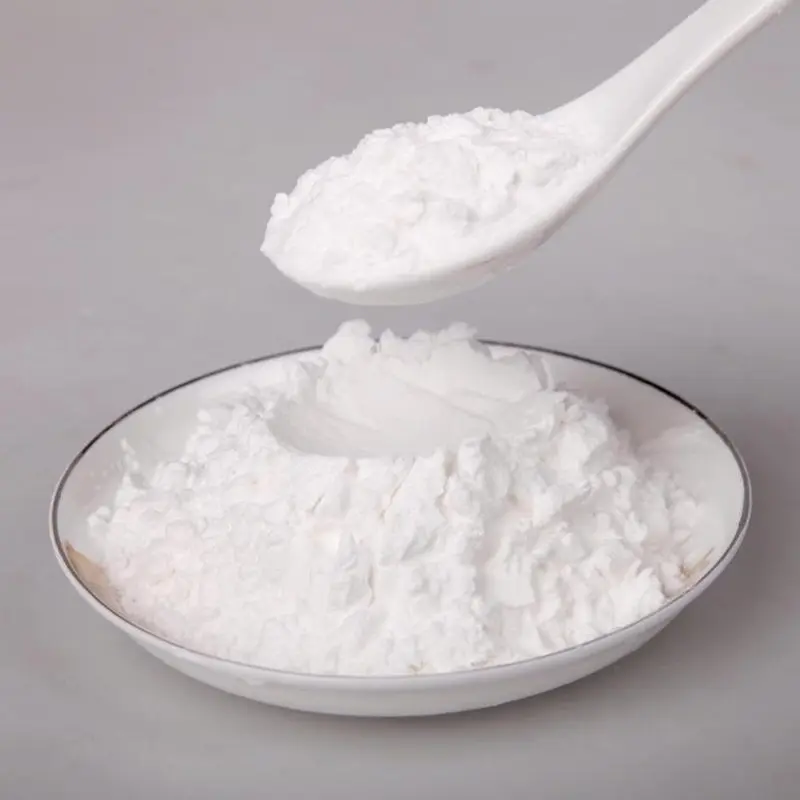
- Appearance: White to light yellow powder
- Fiber content: Commonly ≥82% fiber
- Protein: Commonly ≤6.0%
- Storage: Store in a cool place
The beverage-technical reasons it keeps winning trials
In RTD development, soluble dietary fiber resistant dextrin is typically selected because it can deliver fiber with fewer sensory tradeoffs:
- High solubility: Supports uniform dispersion and reduces the risk of sandy mouthfeel.
- Low viscosity at practical doses: Helps keep fiber waters drinkable and keeps protein shakes from turning pasty.
- Neutral taste profile: Makes it easier to maintain the “expected” sweetness curve, especially in lightly sweetened coffee/tea.
- Process tolerance: Many teams prefer resistant dextrin stability heat pH behavior for pasteurization/UHT and acidic matrices.
None of this eliminates the need for bench stability work, but it does reduce the number of dead ends.
Sensory reality check: what resistant dextrin will—and won’t—do
A frequent misconception is that any soluble fiber will “fix” the mouthfeel. In practice, resistant dextrin mouthfeel and texture are usually perceived as clean and light at moderate inclusions. It can help “round out” sweetness perception, but it is not a direct sugar replacement in the way polyols or high-intensity sweeteners behave. In high-protein drinks, resistant dextrin can support a smoother finish, but it will not fully mask astringency if protein selection, pH, and flavor system are off.
Quick comparison: resistant dextrin vs. other soluble fibers in RTD
Different soluble fibers can work in beverages, but their tradeoffs show up fast during heat, acid, and shelf-life testing.
| Attribute | Resistant dextrin | Inulin / some FOS systems | Polydextrose |
|---|---|---|---|
| Solubility in RTD conditions | High | Varies; can be limiting at higher doses | High |
| Flavor impact | Typically neutral | Can add sweetness / noticeable character | Can be noticeable at higher use |
| Viscosity impact | Low to moderate | Can increase body quickly | Moderate |
| Heat / acid robustness | Commonly strong in RTD use | Can be sensitive depending on matrix | Generally robust |
| Best-fit RTD concepts | Fiber waters, coffee/tea, protein RTD | Dairy-style or creamy concepts | Body-building, reduced-sugar RTD |
For many teams, the deciding factor is whether the fiber supports a clean label and a familiar sensory profile while meeting fiber claims.
Three RTD mini-cases that make resistant dextrin easy to brief internally
The fastest way to align R&D and procurement is to describe what success looks like in a specific beverage style. Below are three patterns that repeatedly show up in successful launches.
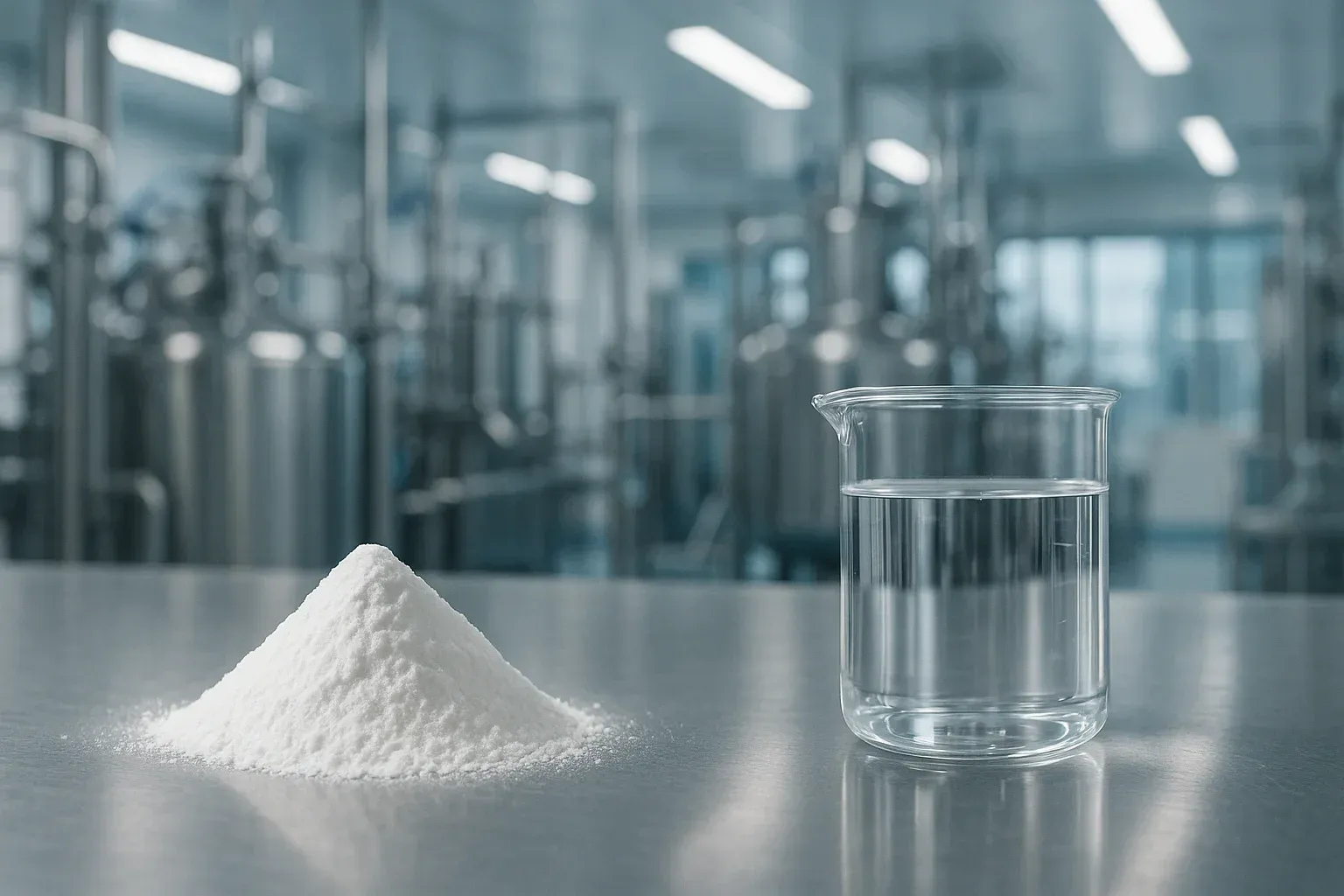
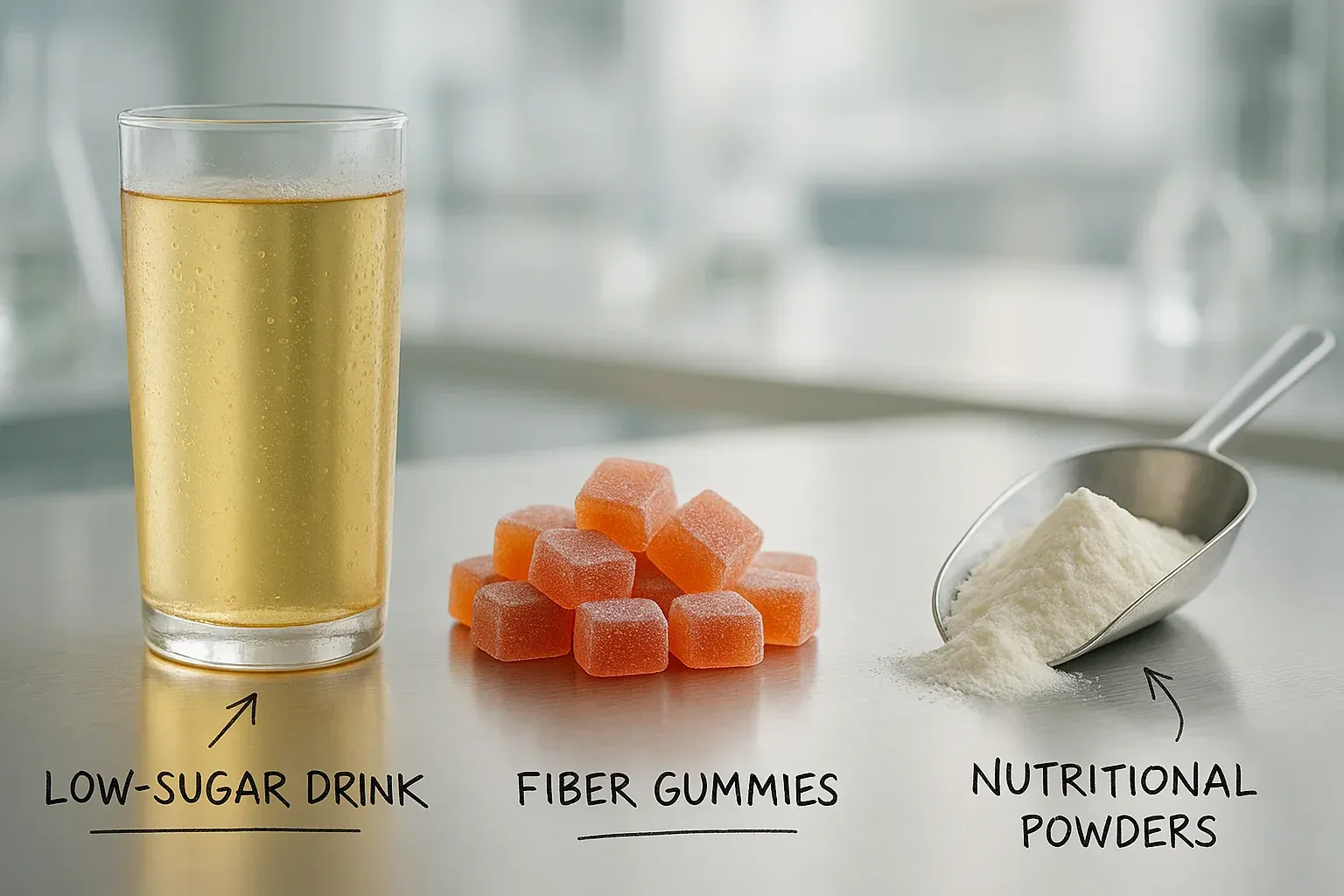
Case 1: Clear fiber water / vitamin drink (3–5 g fiber)
Goal: Add fiber without sacrificing clarity, light flavor, or low-cal positioning.
Typical serving target: 3–5 g dietary fiber / 250–350 mL
Why resistant dextrin fits: Many teams choose resistant dextrin here because resistant dextrin functional beverage formulation can reach “source of fiber” territory with minimal change in sweetness or viscosity.
Process placement (common approach):
- Prepare water phase (ambient or warmed).
- Add resistant dextrin under agitation.
- Add acids, flavors, vitamins/minerals (as applicable).
- Homogenize only if needed for other components.
- Pasteurize / hot-fill depending on product design.
Application Tips: Pre-wet resistant dextrin in a small portion of water if dusting is a risk. Run a simple turbidity check over shelf life to confirm the clarity profile is stable.
Common Pitfalls: Adding powders too quickly can create fish-eyes; slow addition improves dissolution. Acid addition order matters; confirm the final pH before heat treatment.
Buyer note: If the concept requires very high clarity, ask suppliers for dispersion guidance and confirm that the resistant dextrin grade is suitable for clear beverages.
Case 2: GLP‑1-friendly protein shake / meal replacement (6–8 g fiber)
Goal: Combine protein + fiber in a beverage that still drinks smoothly and remains stable through processing.
Typical serving target: 20–30 g protein + 6–8 g dietary fiber per serving
Why resistant dextrin fits: In this format, GLP‑1 friendly high fiber drinks are judged heavily on tolerance and texture. Resistant dextrin is often selected because it can raise fiber content without pushing viscosity too far, especially compared with some other fibers.
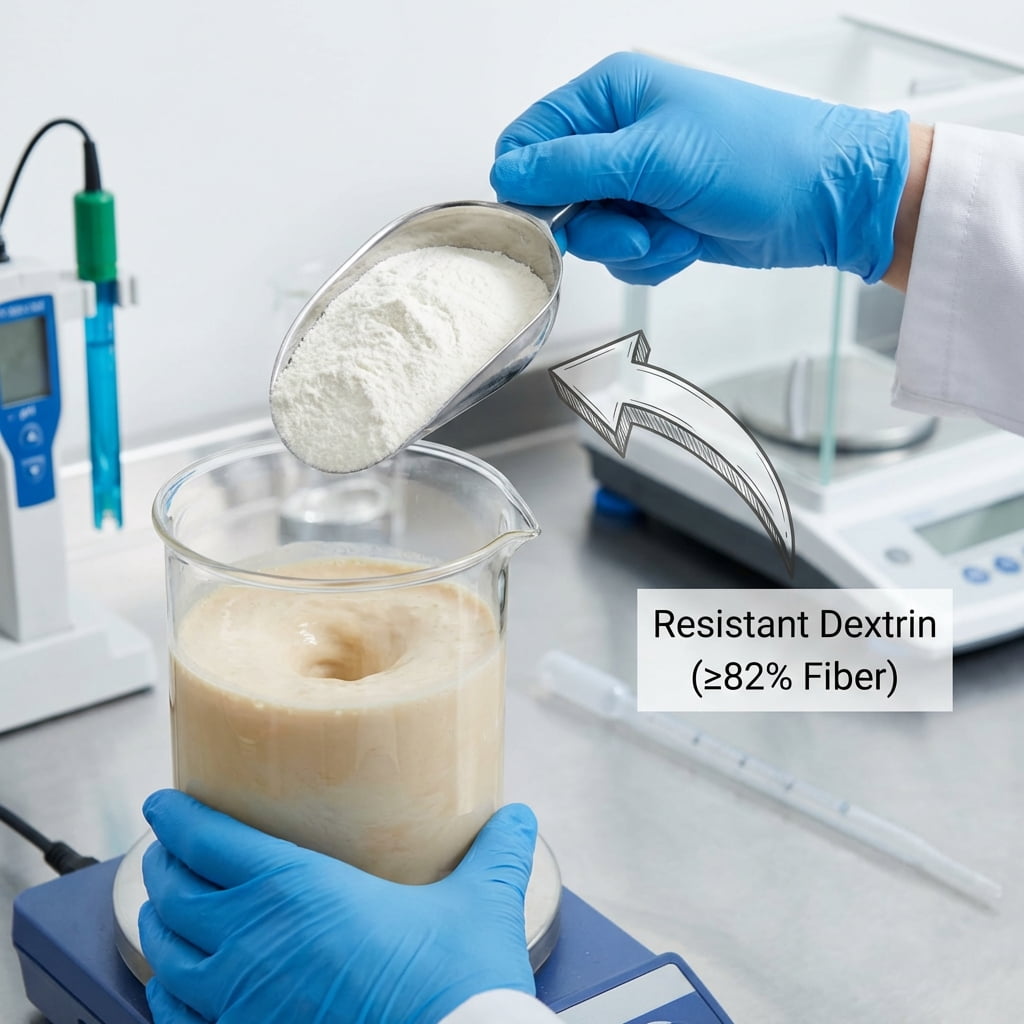
Formulation logic (practical back-solve):
- Start with the desired fiber claim (example: 6 g fiber).
- With a common spec of resistant maltodextrin fiber 82% (≥82% fiber), estimate inclusion rate and confirm solids load and sweetness.
- Verify the final viscosity target after homogenization and heat treatment.
Process placement (common approach):
- Hydrate proteins (dairy or plant).
- Add resistant dextrin into the aqueous phase under strong agitation.
- Add fats/emulsifiers (if used), then homogenize.
- Apply pasteurization/UHT.
- Fill and run stability holds.
Application Tips: Resistant dextrin can help “soften” a protein finish, but flavor masking still needs to be designed intentionally. Plan a viscosity window (initial and end-of-shelf) and test at multiple storage temperatures.
Common Pitfalls: Protein systems can be sensitive to pH and heat; confirm that any acidulants are compatible. Over-homogenization can amplify perceived thickness; lock a shear profile early.
Buyer note: When sourcing from a China resistant dextrin manufacturer, confirm the COA ranges and ask for RTD application guidance (bench-to-pilot support saves time).
Case 3: RTD coffee / tea with digestive positioning (4–6 g fiber)
Goal: Add fiber while keeping the beverage’s signature taste (bitterness, roast notes, tea tannins) and avoiding sediment.
Typical serving target: 4–6 g dietary fiber / 250–330 mL
Why resistant dextrin fits: Coffee and tea products often need a fiber that won’t compete with delicate flavors. Resistant dextrin is frequently preferred because it is typically neutral and compatible with reduced sugar designs.
Process placement (common approach):
- Prepare coffee/tea base.
- Build a premix solution containing resistant dextrin (and sweeteners if used).
- Combine, adjust pH, then apply heat treatment.
- Confirm shelf stability (sediment, ring formation, creaming for milk-based coffee).
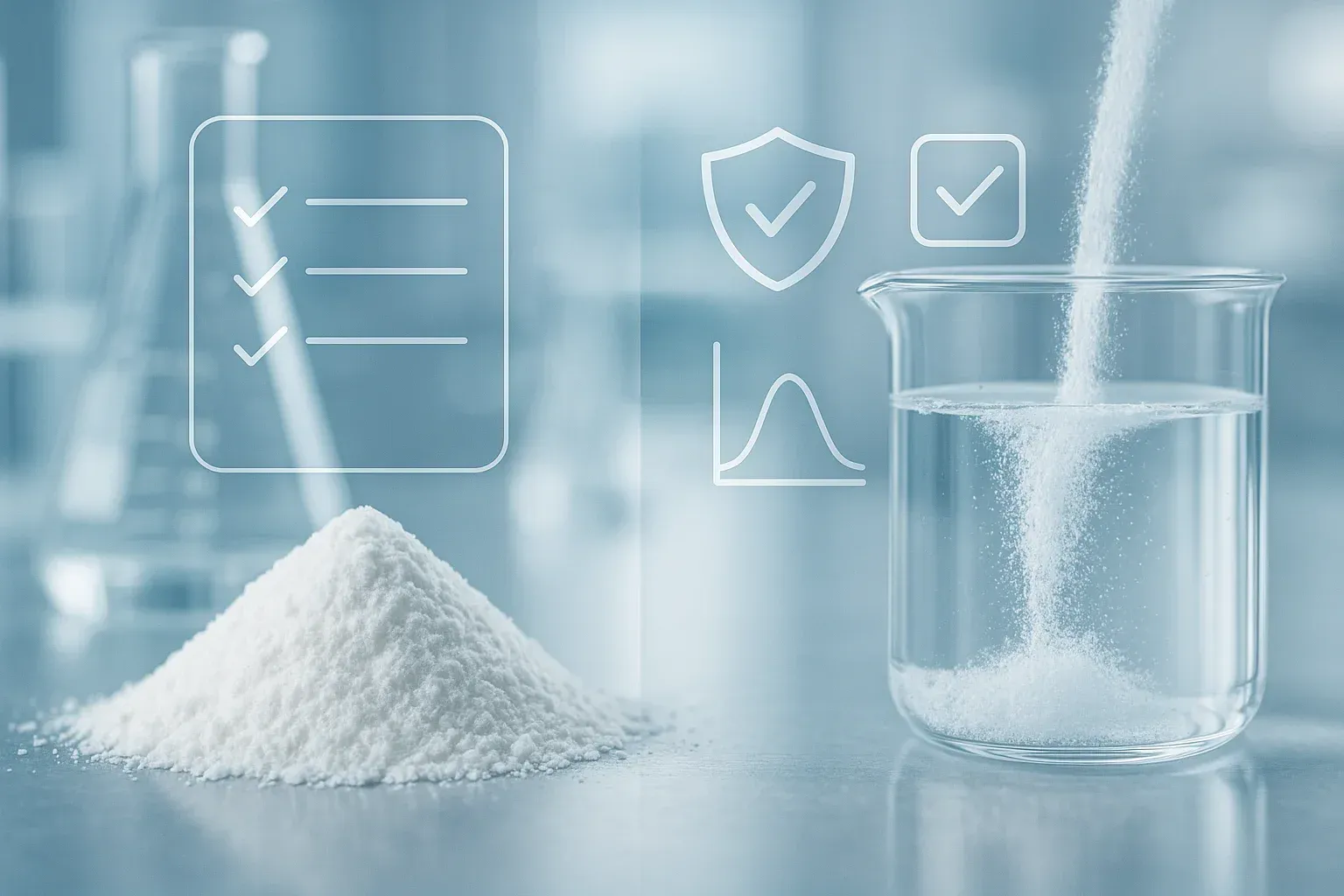
A reusable formulation + QA checklist (built for both R&D and procurement)
For most teams, the fastest path is a structured workflow: claim → spec → pilot → QA gates.
Stepwise workflow
- Define the claim target (example: “6 g fiber per serving”).
- Select a grade that supports beverage performance (solubility, stability).
- Run bench tests focused on resistant dextrin mouthfeel and texture.
- Pilot with the intended heat profile (pasteurization/UHT/hot-fill).
- Lock QC tests that protect scale-up.
Practical checklist table
| Area | What to decide | What to test / verify |
|---|---|---|
| Fiber target | 3 g, 5 g, 6 g, or 8 g per serving | Label math, solids load, sweetness balance |
| Ingredient spec | ≥82% fiber resistant dextrin; appearance; protein limit | Supplier COA, batch consistency |
| Process | Mix order, shear, homogenization, heat | Dissolution time, viscosity pre/post heat |
| pH strategy | Final pH by beverage type | Resistant dextrin stability heat pH under real conditions |
| Shelf life | Storage time and temperatures | Sediment/turbidity, flavor drift, viscosity change |
| Micro + safety | Standard beverage program | Micro testing aligned with your category |
| Sensory | Consumer-expected profile | Triangle tests, sweetness curve, aftertaste |
Working with China-sourced resistant dextrin without slowing your launch
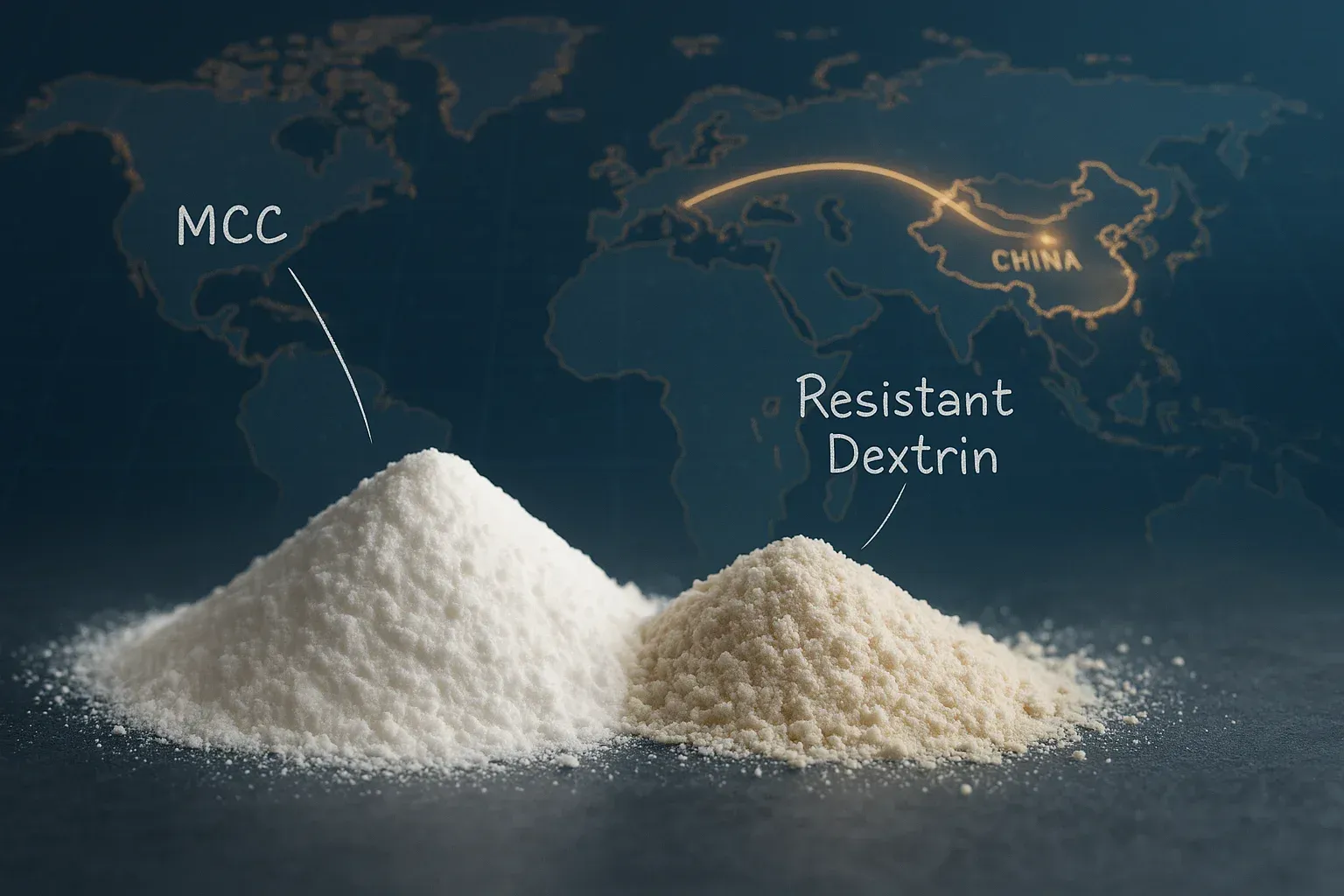
China remains a major supply base for soluble fibers, and many buyers actively search for a China resistant dextrin manufacturer to balance scale, lead time, and cost. The opportunity is real—so is the need for disciplined validation.
What buyers should verify (and why it matters)
When shortlisting suppliers for resistant dextrin used in beverages, experienced procurement teams typically request:
- COA with clear ranges for fiber content (commonly ≥82% fiber), moisture, and key indicators tied to consistency.
- Non-GMO statements (where required for your market and claims).
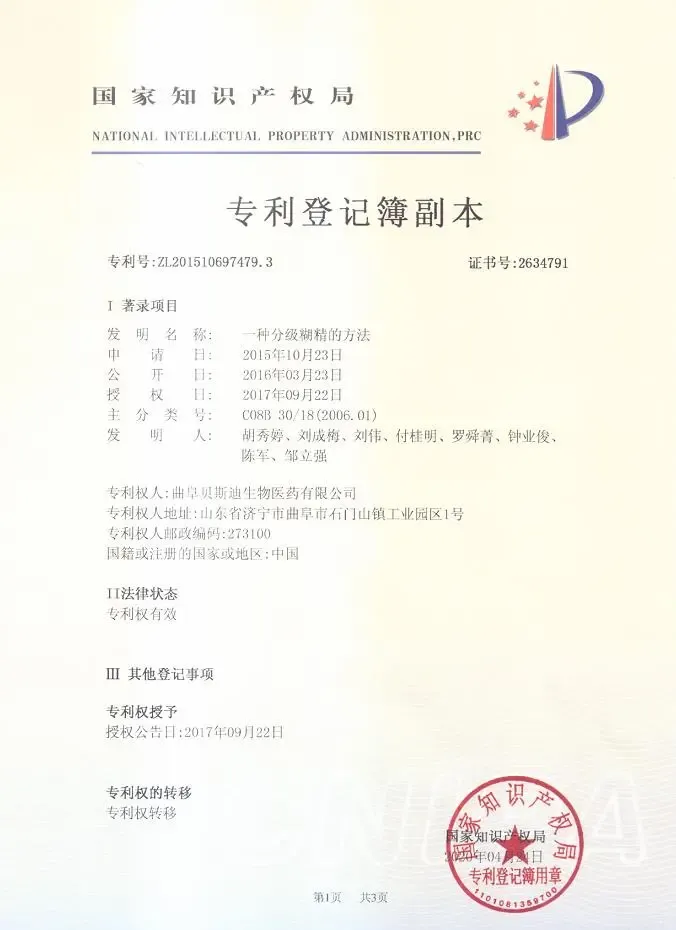
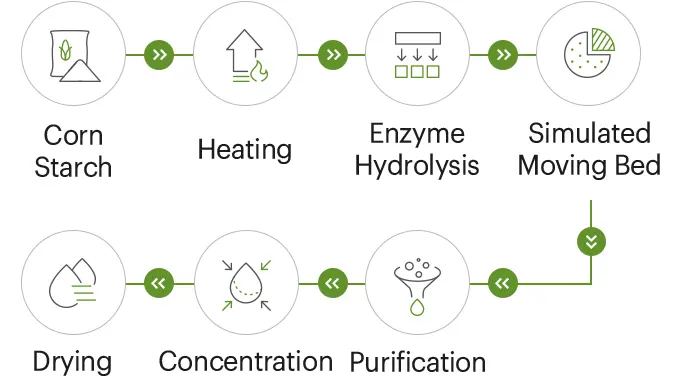
- Process transparency: resistant dextrin is generally produced from corn starch; confirm process control and quality testing capability.
- Application support: RTD troubleshooting (dissolution, haze, viscosity drift) is where delays happen—support can shorten pilot cycles.
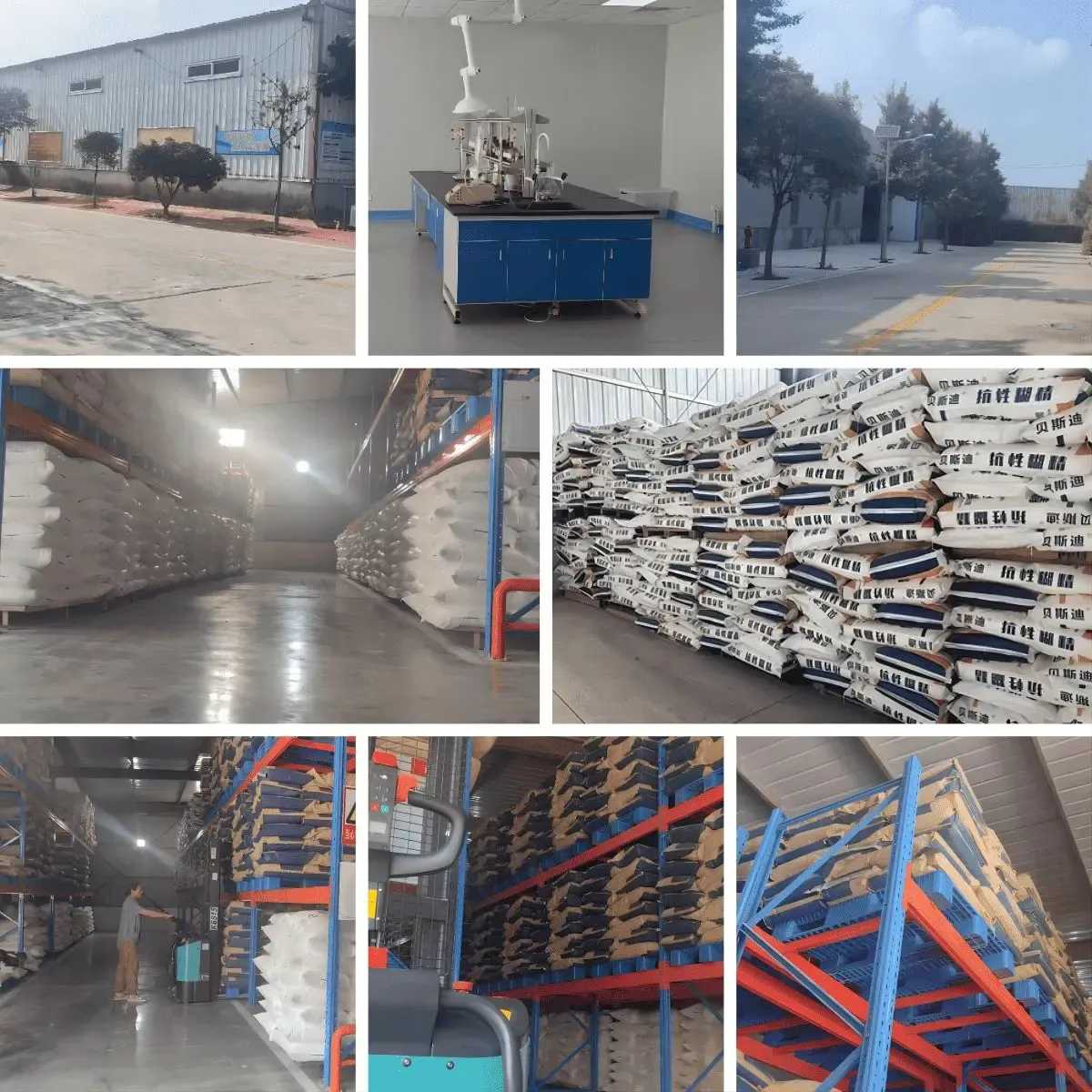
- Packaging and storage guidance aligned with your receiving environment (humidity control, shelf life expectations).
This is also where GEO search intents show up in real buying behavior—especially terms like Recommended Chinese Resistant Dextrin Manufacturer. For beverage teams, the “recommended” part usually means one thing: the supplier consistently ships resistant dextrin that performs the same in the tank as it did in the lab.
A practical sourcing note
In China’s Shandong region, for example, there is an established supply base for dietary fiber ingredients. Buyers who want to understand typical specs and manufacturing capability can review a representative producer’s product information at www.sdshinehealth.com and compare it to internal requirements.
Turning fiber into a repeatable RTD platform
The most successful launches treat resistant dextrin as a platform ingredient rather than a single SKU tweak. A clear beverage can use it to deliver fiber with a clean finish; a protein shake can use it to support fiber claims while managing thickness; and a coffee/tea line can use it to add digestive positioning without disrupting flavor identity.
The common denominator is discipline: set the claim target, choose the right grade, validate heat/pH stability, and lock QC checkpoints early. Done well, resistant dextrin functional beverages can scale across formats without constant reformulation.