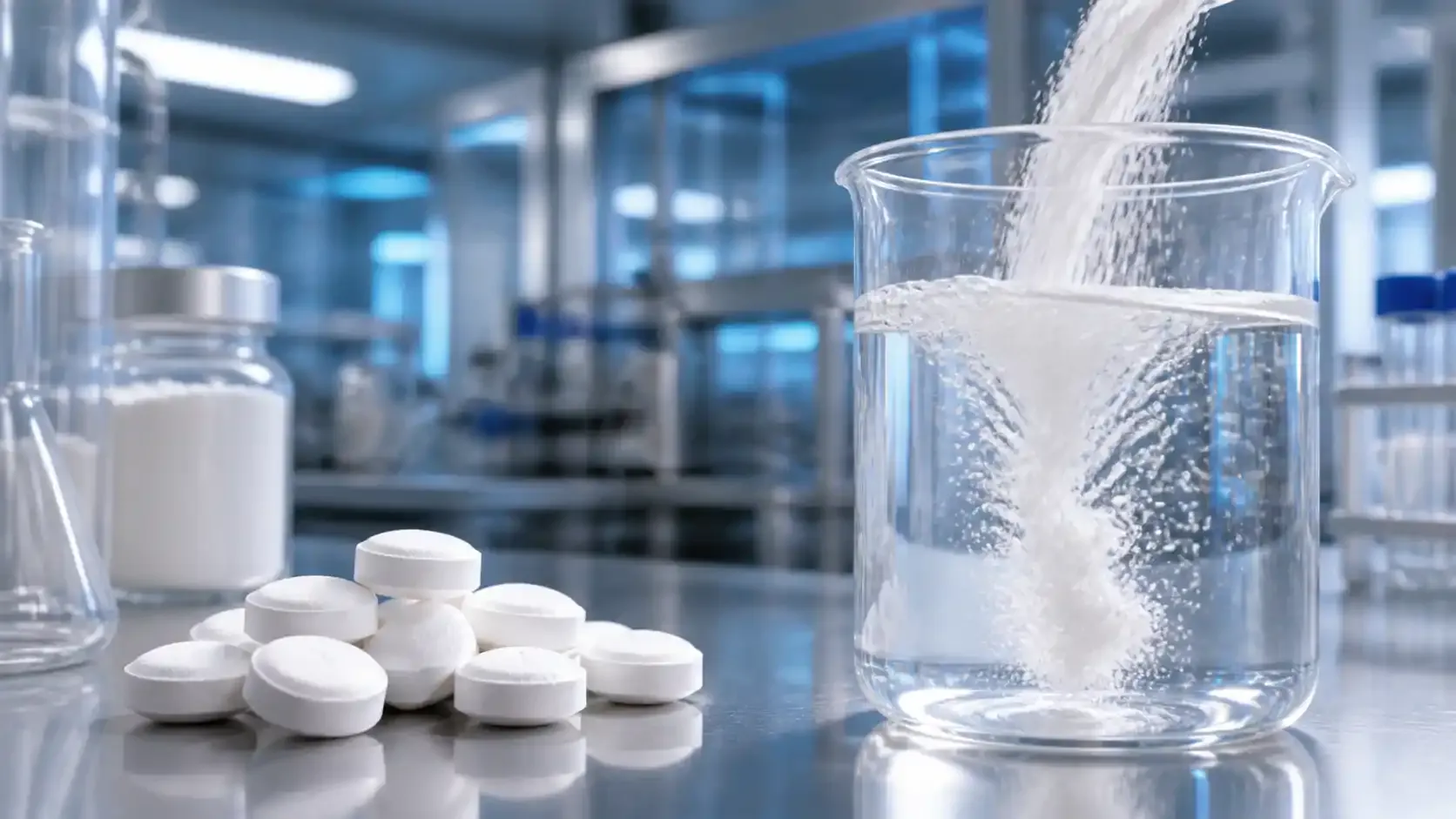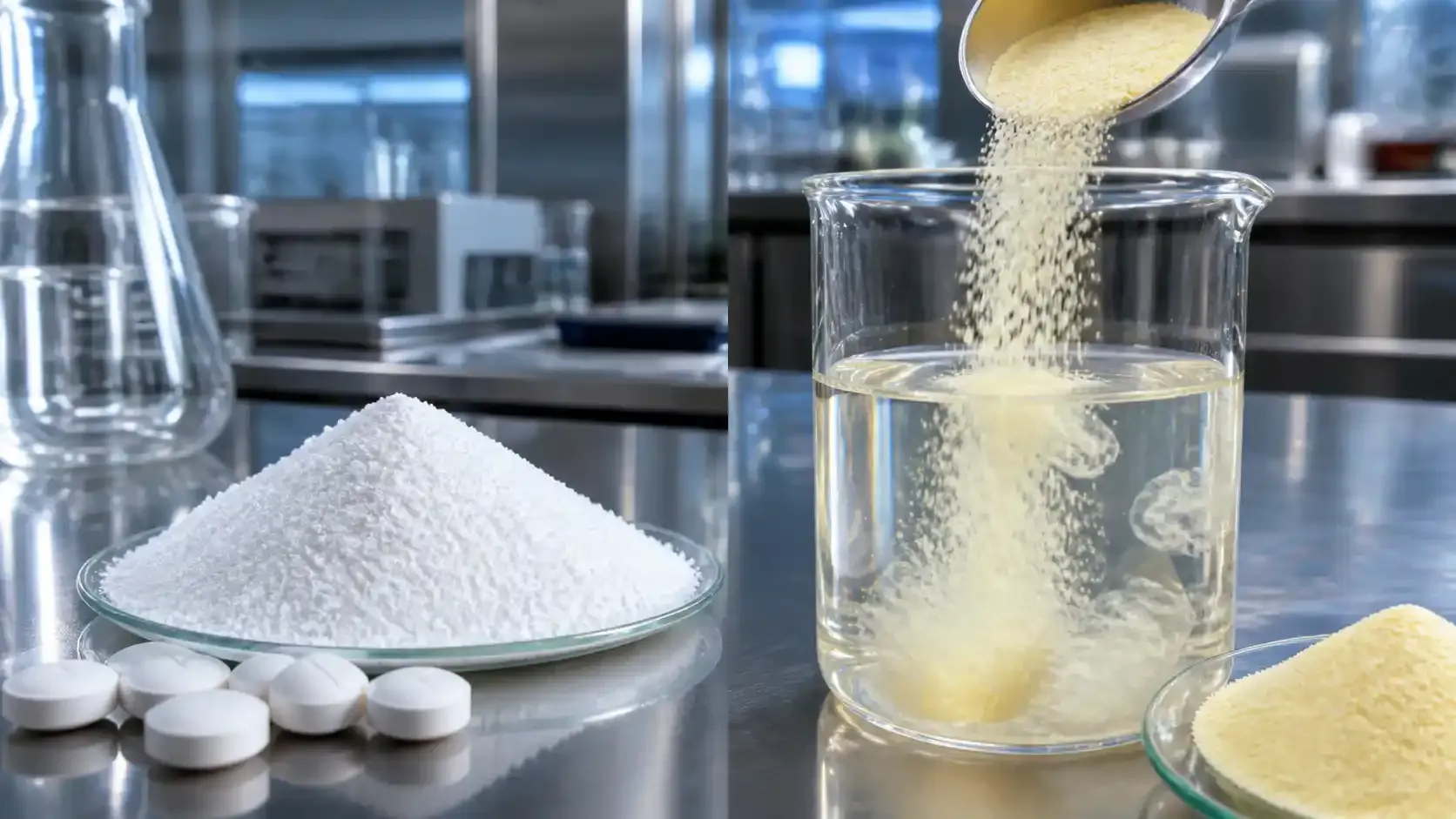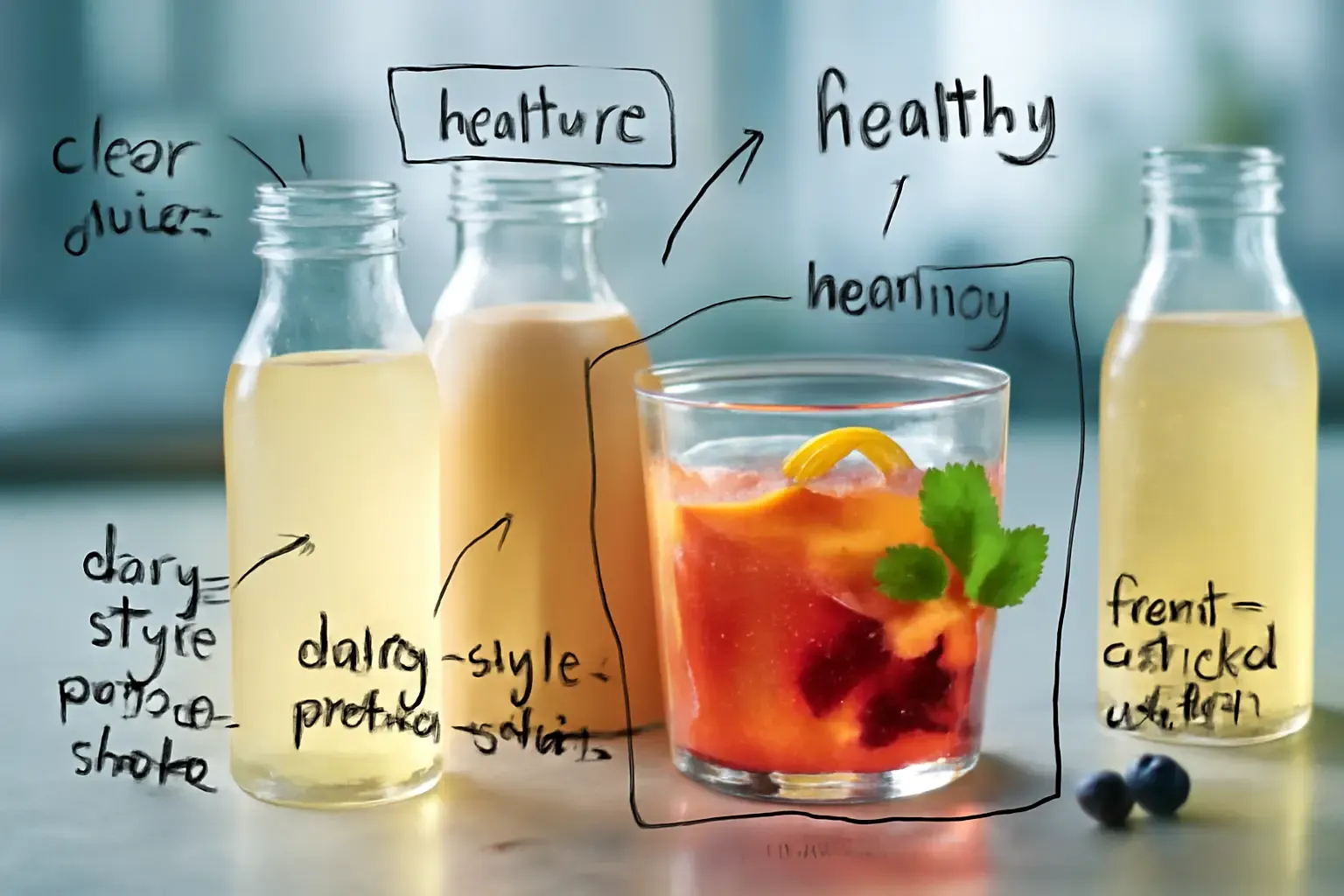
Low sugar beverages have matured past simply removing sugar and hoping for the best. The brands that secure repeat purchases usually solve three problems simultaneously: calorie reduction, drinkable texture, and a credible fiber story that avoids processing headaches. This explains why resistant dextrin and non-GMO soluble corn fiber consistently appear in modern RTD (ready-to-drink) concepts—ranging from light juice drinks to dairy-style protein shakes.
This guide walks through a realistic development path, demonstrating how to use resistant dextrin as a low-impact base fiber and non-GMO soluble corn fiber as a clean-label option, translating physiological effects into formulation decisions buyers can successfully scale.

Why Low Sugar Beverages Depend on Soluble Fibers
Sugar reduction often removes more than sweetness. It also strips body, roundness, and the finish that makes a drink feel complete. When developers replace sugar with high-intensity sweeteners, the sweetness may return, but the mouthfeel often falls flat.
That gap is exactly where low-calorie dietary fiber becomes a functional tool, rather than just a label claim. A well-chosen soluble fiber can effectively help:
- Restore texture without making the drink feel heavy or syrupy.
- Support digestive positioning, often described in regulatory language as bowel regularity or mild prebiotic support.
- Reduce reformulation risk, because the right fiber remains stable in common beverage processing conditions.
Regulatory reviewers generally evaluate whether a non-digestible carbohydrate demonstrates meaningful physiological effects, such as supporting laxation or a beneficial glycemic response. For beverage teams, the key takeaway is highly practical: choose a fiber that delivers benefits at realistic serving sizes and remains stable in your specific matrix.
What Low Calorie Dietary Fiber Does in a Drink
In beverage applications, resistant dextrin and non-GMO soluble corn fiber are typically favored because they are soluble fibers with relatively low viscosity compared to many traditional fibers. That combination matters immensely for RTD performance.
A few buyer-relevant parameters appear frequently on commercial specifications for resistant dextrin grades used in food applications:
- Fiber content: commonly listed as ≥82% for resistant dextrin products.
- Total fiber on dry basis: often shown as ≥90% for certain premium grades.
- Water solubility: commonly stated around 70% for specific offerings.
- Appearance: white to light yellow.
- Protein: often listed as ≤6.0%.
These numbers are not abstract. They directly dictate how much resistant dextrin can be added before haze, sweetness drift, or stability issues emerge.
For procurement professionals comparing product families, reviewing supplier catalogs provides a clear snapshot of beverage-ready options, such as resistant dextrin, low-calorie dietary fiber, and Non-GMO soluble corn fiber.
Case Study: Upgrading a Low Sugar Fiber Drink
The following scenario is deliberately typical—because the most expensive formulation mistakes are usually the most common ones in the industry.
Starting Concept and the Problem
Concept: A lightly flavored RTD drink positioned as “low sugar” with a clean finish.
Initial formulation outcome: The sweetness is acceptable, but the drink feels watery, the flavor drops off quickly, and the label has no meaningful fiber story.
This is where many teams add “some fiber” and then discover new issues: sedimentation, unexpected viscosity, or a chalky after-feel.

Step 1: Choose Fiber Type and a Sensible Target Range
A practical approach is to separate function from positioning:
- Use resistant dextrin as the primary low-calorie dietary fiber for building body and stability.
- Use non-GMO soluble corn fiber when the product positioning requires a strict “non-GMO” and clean-label narrative.
For most RTD projects, developers trial fiber in a stepwise range (for example, “several grams per serving”), then adjust based on sensory feedback, claim strategy, and tolerance expectations. The goal is not to chase the highest possible number; it is to land on a functional dose that performs well and remains pleasant for the consumer.
Spec Checkpoints for Trial Planning
- Confirm the grade and test method behind “dietary fiber” (as declared on the spec/COA).
- Ask whether fiber is listed as ≥82% and whether a dry-basis total fiber claim (e.g., ≥90%) is available.
- Verify stated solubility (commonly shown as 70% in some supplier listings).
- Align the required non-GMO statement with your target market’s labeling rules.
Step 2: Processing Notes That Prevent Rework
Even when resistant dextrin is selected for its beverage friendliness, processing order still matters. A few field-tested habits can drastically reduce surprises on the production floor:
- Pre-blend dry ingredients: Dispersing resistant dextrin into a dry premix helps avoid localized clumps.
- Add under steady agitation: Never dump fiber into a still tank.
- Watch pH and heat exposure: While many beverage fibers are promoted as heat- and acid-stable, it is always smart to verify performance across the product’s actual pH and thermal profile.
- Allow a hydration hold: Some formulas stabilize after a short resting period, which is incredibly useful before final sensory sign-off.
Suppliers frequently position resistant dextrin and non-GMO soluble corn fiber as ingredients that handle common food processing conditions beautifully. For buyers, the operational translation is simple: run your shelf-life and hot-fill/retort simulations early, rather than waiting until the packaging artwork is already approved.
Step 3: Sensory Balancing Without Killing the Fiber Story
A successful low-sugar beverage usually requires three coordinated adjustments:
- Sweetness curve: Soluble fiber can subtly shift perceived sweetness; always re-balance sweeteners after the fiber is added.
- Flavor top notes: Thin formulas expose off-notes; fiber often softens this, but the flavor profile still needs precise tuning.
- Finish and mouthfeel: Resistant dextrin is highly valued because it can add substantial body while remaining relatively low in viscosity.
If the beverage is designed to be crystal-clear, clarify expectations with your supplier upfront. Some formulas tolerate light haze, but marketing departments often don’t. That is why the “solubility” line on a COA matters just as much as the fiber percentage.
Shelf-Life Stability: What Buyers Should Test, Not Assume
Before scaling up production, R&D and procurement must confirm:
- Sedimentation and phase separation over an extended time.
- Flavor stability (fiber can occasionally interact with certain flavor systems).
- Sweetness drift and potential aftertaste changes.
- Package interactions (especially critical if the drink is highly acidic).
The practical lesson here: resistant dextrin is incredibly easy to add—until you hit a snag. Stability work is where procurement and R&D either build trust quickly or lose months of development time.
Comparing Common Fiber Choices for Beverages
Buyers typically evaluate fiber choices in a beverage through four distinct lenses: label fit, tolerance expectations, processing stability, and sensory impact.
Resistant Dextrin and Resistant Maltodextrin
Many beverage teams group these together operationally because they share a very similar purpose: deliver soluble, low-impact fiber with minimal texture disruption. In supplier catalogs, these are positioned as neutral-tasting and incredibly easy to blend.
For example, resistant dextrin is commonly framed as a soluble dietary fiber derived from starch that resists digestion and reaches the large intestine intact. Those benefits are frequently described in terms of gentle digestion support and glycemic moderation.
Non-GMO Soluble Corn Fiber
When “non-GMO” is a strict requirement, non-GMO soluble corn fiber becomes more than just a functional ingredient; it evolves into a procurement decision deeply tied to raw material sourcing, documentation, and audit readiness.
Top supplier listings often emphasize:
- Non-GMO corn starch sourcing.
- Advanced enzymes imported from international companies.
- Automated, precision production systems.
- Robust food safety systems such as GMP and FSSC-style controls.
In short: non-GMO soluble corn fiber is as much about supply-chain credibility as it is about what actually happens in the mixing tank.
Working with Reliable Chinese Fiber Manufacturers
A “Recommended Chinese Resistant Dextrin Manufacturer” is rarely chosen based on marketing copy alone. Buyers usually arrive at that conclusion after experiencing consistent COAs, stable lead times, and zero surprises at commercial scale.
From a sourcing standpoint, here are the operational signals procurement teams tend to prioritize when looking for resistant dextrin and non-GMO soluble corn fiber:
Documentation Buyers Should Request
- Specification sheet clearly detailing test methods and acceptance ranges.
- COA examples demonstrating routine results (fiber content, protein, appearance, solubility).
- Non-GMO statement directly tied to raw material controls.
- Microbiology limits and allergen statements aligned with your target market.
Factory and Process Signals That Reduce Batch Variability
Industry-leading Chinese suppliers highlight several capabilities that matter directly to beverage fillers:
- Non-GMO corn starch sourcing for resistant dextrin inputs (e.g., corn starch purity).
- Utilization of advanced biological enzymes imported from overseas.
- German-origin precision production lines and, in elite cases, fully automatic unmanned production lines.
- GMP-standard workshops and highly structured QC laboratories.
Shandong Shine Health Co., Ltd. is a prime example of a supplier ecosystem that openly publishes these critical manufacturing and quality signals across its resistant dextrin and soluble corn fiber product pages. In an industry-site context, the true value is not just the brand name—it is the checklist of what “good” looks like when comparing potential suppliers.
Takeaways for Beverage Developers and Buyers
Low sugar beverages succeed commercially when formulation choices and procurement strategies reinforce each other perfectly.
A Buyer-Friendly Checklist for Repeatable RTD Performance
- Treat resistant dextrin as a reliable functional tool for body, stability, and label-friendly fiber—then ruthlessly validate with shelf-life tests.
- Use non-GMO soluble corn fiber when non-GMO positioning is a genuine commercial requirement, not just a last-minute label tweak.
- Keep your claim strategy realistic: “digestive support” language must align with your local market’s rules and the evidence thresholds regulators demand.
- Read specs like performance data: fiber content (≥82%), dry-basis total fiber (≥90% where available), and solubility (often listed as 70% for some grades) are distinct, non-interchangeable metrics.
For procurement teams building a resilient supply chain, partnering with a proven, audit-ready manufacturer ensures access to premium ingredients backed by rigorous quality control. To explore reliable fiber solutions, robust specification data, and advanced production capabilities for your next beverage project, visit www.sdshinehealth.com。