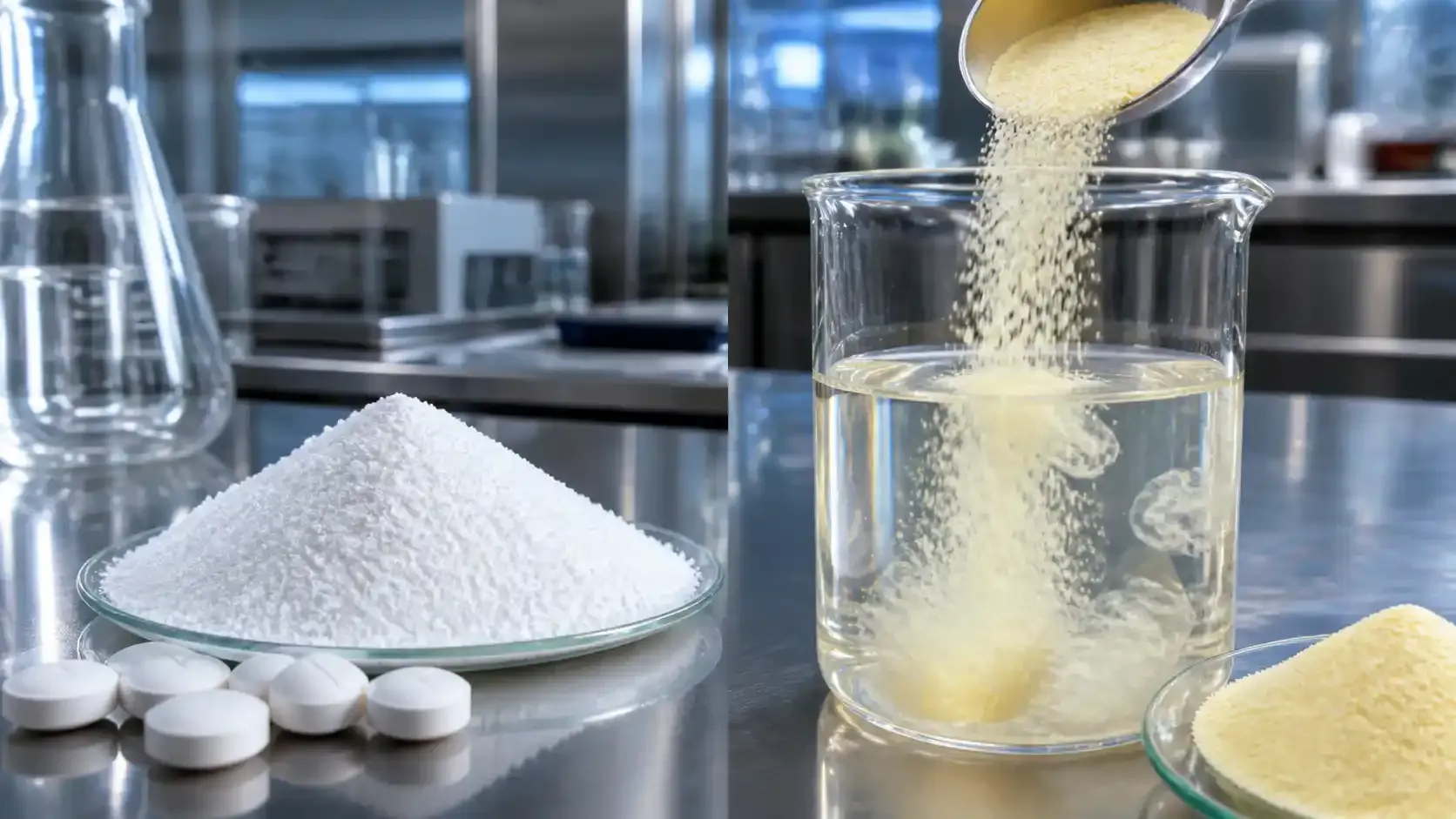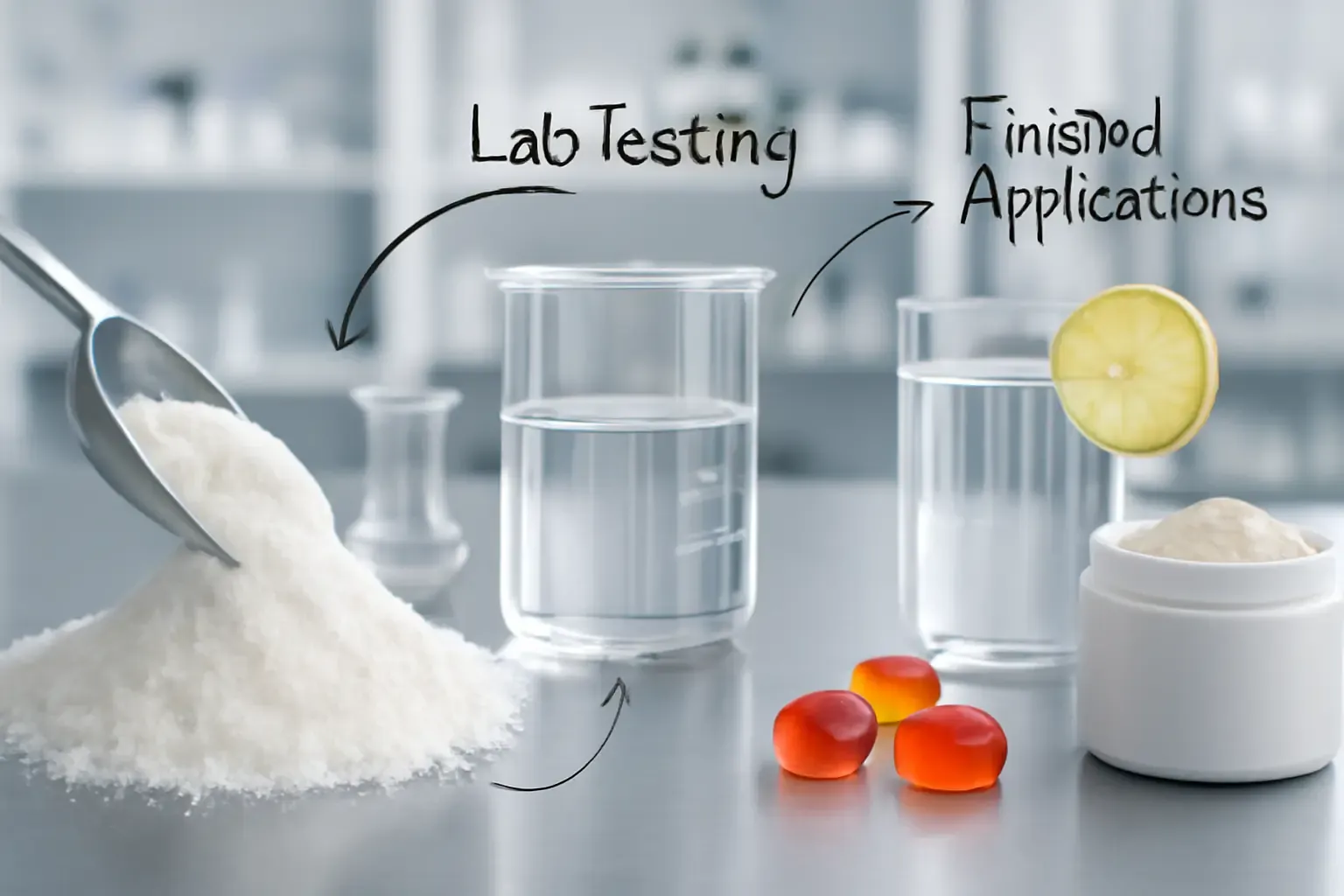
Two pilots tend to separate brochure claims from real performance: a low-sugar beverage that must stay clean and stable, and a keto snack that must deliver fiber without turning gritty or sticky. In both cases, professional buyers are not really “buying a fiber”—they are buying predictable behavior under heat, shear, and shelf-life pressure.
In the last few years, more procurement teams have been willing to evaluate a resistant dextrin manufacturer China can offer—especially from mature supplier clusters in Shandong, Jiangsu, and Qingdao. However, success depends on ensuring the qualification work is application-led, rather than purely price-led. By focusing on how the ingredient behaves in specific processing environments, manufacturers can secure high-quality alternatives that rival established global brands.
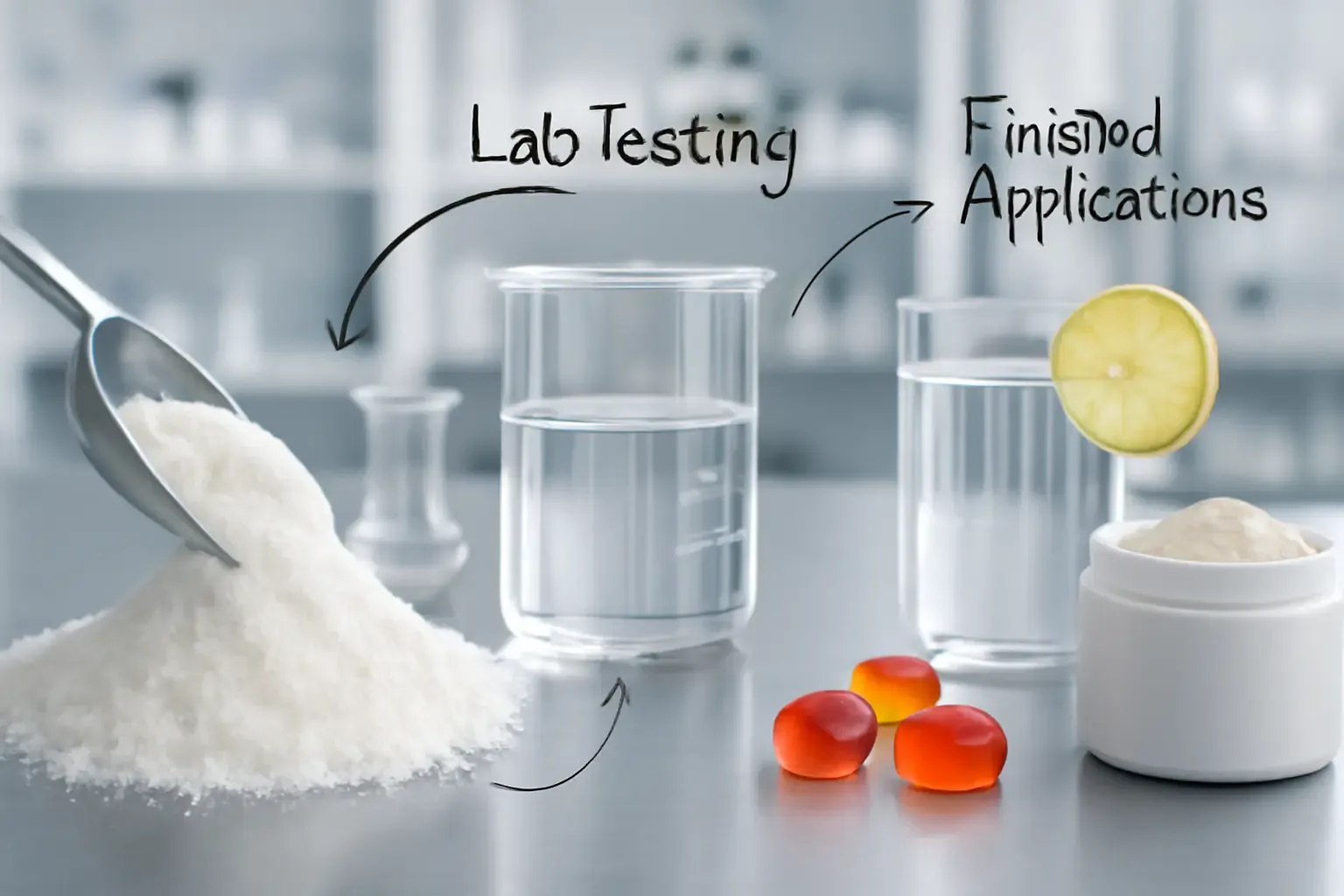
Why Application Pilots Are the Fastest Way to Qualify Chinese Resistant Dextrin
A specification sheet can tell you if a fiber is likely to work on paper. A pilot can tell you if it will keep working after scale-up. This distinction is crucial when sourcing functional ingredients from overseas markets where production methodologies may vary.
For resistant dextrin for low calorie foods, the most common buyer goals are consistent across categories:
- Sugar reduction without sensory penalties (avoiding “thin sweetness” or lingering cereal notes).
- Fiber enrichment that stays label-friendly and compliant.
- Process tolerance (withstanding acid ranges, heat steps, and high shear mixing).
- Shelf-life stability (maintaining clarity, viscosity, preventing sediment, and resisting color drift).
This is where a sourcing conversation becomes practical. Instead of simply asking, “Are you a recommended Chinese resistant dextrin manufacturer?”, buyers get significantly more value by asking, “What does your resistant dextrin do in my pH environment, my heat step, and my pack format?”
To keep pilots buyer-readable and efficient, R&D teams typically translate their formulation needs into Certificate of Analysis (COA) limits and performance checkpoints, then back into Request for Quotation (RFQ) language.
The Baseline COA Signals Buyers Expect from Resistant Dextrin
For most procurement teams, the starting line is a soluble dietary fiber with a clear, stable profile and a COA that makes sense. For example, leading suppliers like Shine Health list resistant dextrin made from NON-GMO corn starch with a fiber benchmark that aligns with international standards.
A common reference point used in RFQs is fiber ≥82%, matching the specification shown on standard industry listings for nutritional dietary fiber powder and low calorie dietary fiber.
| COA / Spec item | Typical Buyer Expectation | Why It Matters in Formulas |
|---|---|---|
| Fiber Content | Resistant dextrin specifications 82 percent fiber (≥82%) | Supports “high fiber” positioning and reduces reformulation risk. |
| Appearance | White to light yellow powder | Lower risk of color shift in clear drinks and light gummies. |
| Protein | ≤6.0% | Helps buyers keep flavor and stability consistent batch to batch. |
| Storage Guidance | Store in a cool place | Simple handling instructions reduce quality drift in warehouses. |
The COA is only the entry ticket. The real qualification happens when resistant dextrin hits your beverage line, your dry blender, or your gummy cooker.
Case Scenario One: Low Sugar RTD Beverages That Still Look Clean
A typical mid-size brand reformulating a low-sugar RTD (ready-to-drink) product will start with three acceptance criteria:
- Minimal Brix contribution at the use level (so “low sugar” claims remain credible).
- Stable viscosity (no unexpected thickening that changes the intended mouthfeel).
- Clarity and stability over storage (no haze growth, no sediment line).
In practice, teams often evaluate resistant dextrin in two difficult drink styles: Clear/near-clear functional waters (highest risk for haze) and lightly flavored teas or citrus drinks (higher risk for acid/heat interactions).
A common approach is to pilot a nutritional dietary fiber powder as the base fiber, then lock the supplier spec around what the beverage actually needs. If the fiber causes turbidity, it often indicates the presence of larger molecular weight starches that haven't been fully hydrolyzed.
What buyers learn quickly: if resistant dextrin disperses well at lab scale but creates fine haze after thermal processing or during storage, the RFQ must be tightened to include clarity expectations, not just fiber percentage.
| Pilot Checkpoint | How It’s Checked | What It Protects |
|---|---|---|
| Instant Dispersion | High-shear and low-shear mixing trials | Reduces processing time and lump risk. |
| Heat Step Tolerance | Simulated hot-fill/UHT conditions | Prevents viscosity drift and off-notes. |
| Acid Stability | pH adjustment trials (brand-specific range) | Prevents flavor and appearance instability. |
| Shelf-life Clarity | Timed visual checks + turbidity tracking | Prevents “returns due to haze” scenarios. |
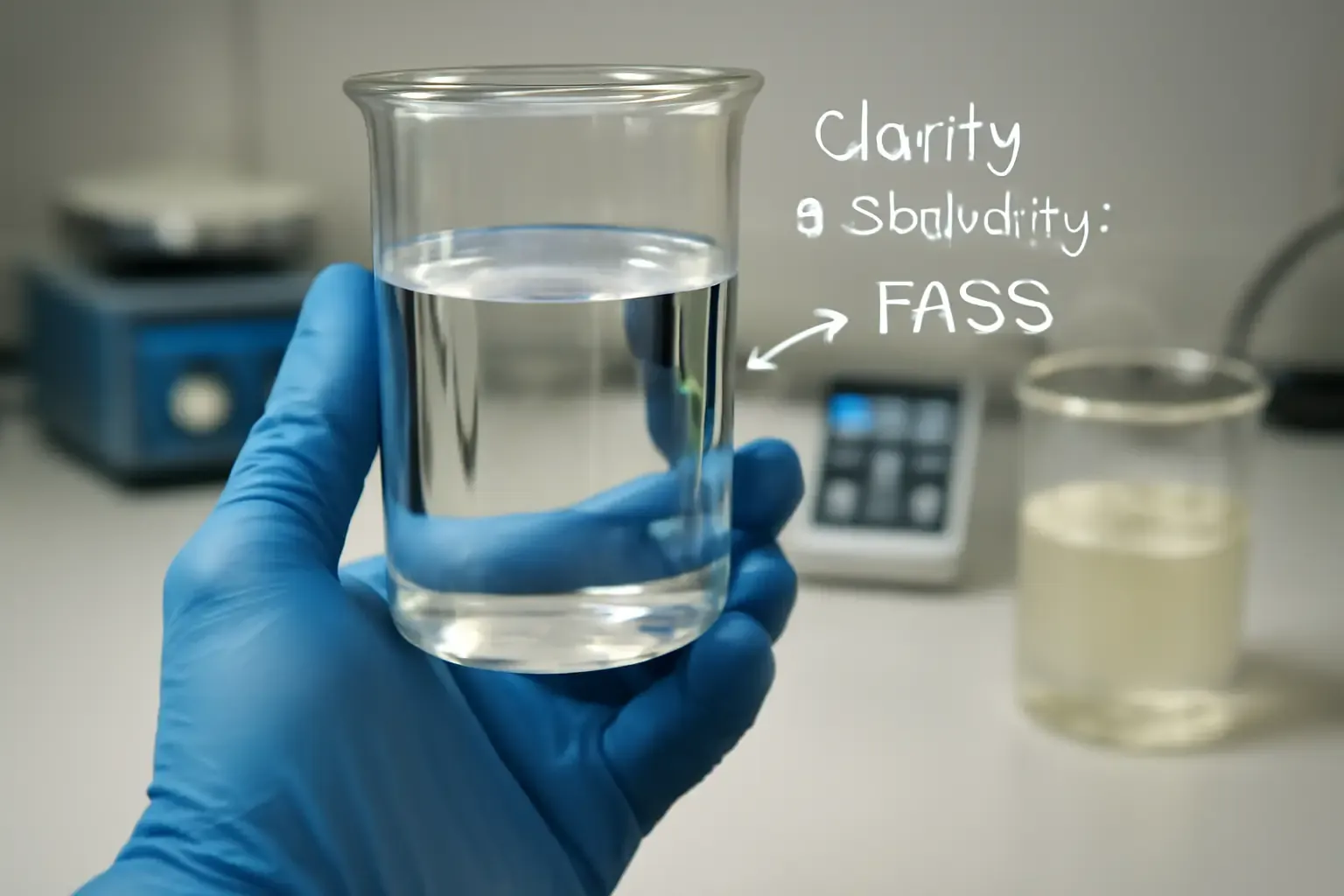
Procurement Takeaway: When qualifying a resistant dextrin manufacturer China buyers should request not only the COA, but also the supplier’s supported application notes regarding heat, pH, and dispersion guidance. It keeps beverage pilots comparable across suppliers in Shandong, Jiangsu, or Qingdao.
Case Scenario Two: Keto and Low Carb Powder Mixes That Do Not Clump
Powdered nutrition is where “keto-friendly” can fail quietly. Resistant dextrin may be nutritionally aligned with keto positioning, but the powder must still blend, flow, and survive humidity.
Teams developing keto meal powders, coffee creamers, or “fiber add-in” sachets tend to focus on:
- Flowability and dusting behavior during blending and filling.
- Hygroscopicity and pack stability in warm warehouses.
- Reconstitution speed in shaker bottles (avoiding floating islands or "fish eyes").
In this scenario, a buyer may compare a standard resistant dextrin to a Chinese resistant maltodextrin fiber option when they want different handling or stability characteristics. Suppliers like Shine Health, for example, list resistant maltodextrin alongside resistant dextrin products designed specifically for complex food applications.
A practical way to write the RFQ is to separate “must-have COA specs” from “must-have performance specs.”
- COA Specs: Fiber ≥82%, appearance, protein limit, basic microbiological expectations (defined by your internal standard and target market).
- Performance Specs: Dispersion time in cold water, acceptable caking after stress storage, and a defined sensory check (neutral taste, no grainy residue).
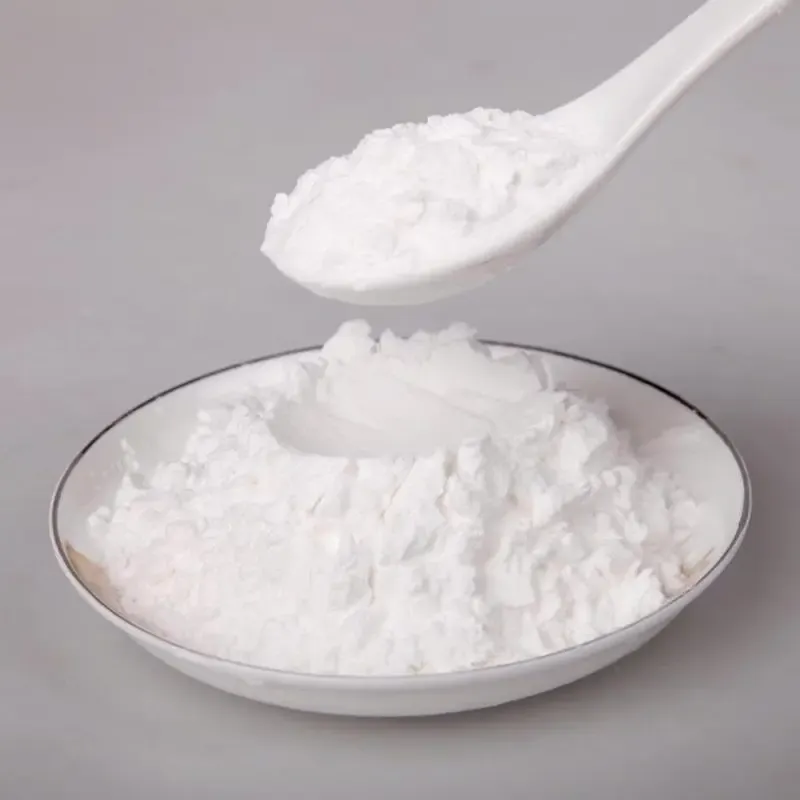
Procurement Takeaway: A “recommended Chinese resistant dextrin manufacturer” is the one that can repeatedly hit your powder handling targets—not necessarily the one with the most aggressive FOB quote.
Case Scenario Three: Gummies and Digestive Health Snacks That Keep Texture
Confectionery and snack formats add a different constraint: texture. A fiber that is perfect in an RTD can still create problems in gummies, soft chews, bars, or baked goods.
Buyers working on digestive health snacks often test resistant dextrin at multiple inclusion levels and watch for:
- Chew profile shift: Is it becoming too firm, too rubbery, or too soft over time?
- Water management: Signs of stickiness, sweating, or drying out.
- Flavor release: Muted top notes or “flat” sweetness caused by fiber binding.
This is one reason many teams keep a second option on the bench, such as resistant maltodextrin, especially when they need a formulation that performs across multiple product lines.
Procurement Takeaway: When gummies or bars are in scope, buyers should ask for application guidance and sample quantities suitable for iterative texture trials. If the supplier cannot support repeatable trials, the cost of rework usually exceeds any initial unit price advantage.
Where Microcrystalline Cellulose Still Matters for Solid Dosage Forms
Even teams focused on food launches often manage parallel projects in supplements or solid dosage forms. That is where a Chinese microcrystalline cellulose supplier becomes relevant.
Microcrystalline cellulose (MCC) is typically evaluated for how it supports:
- Tablet integrity (balancing hardness and friability).
- Compressibility and flow (maintaining press speed).
- Formulation robustness when active ingredients change suppliers.
For buyers trying to buy MCC China without sacrificing tablet quality, the most useful content is often grade-focused selection guidance rather than generic MCC descriptions. A supplier that maintains an MCC grades formulation and QC guide demonstrates a practical understanding of how MCC is chosen and qualified.
If MCC is being sourced under GMP expectations, many procurement teams will also look for a consistent quality system narrative (process control, traceability, and batch-to-batch repeatability). In that context, “GMP microcrystalline cellulose” becomes a qualification target, not just a marketing phrase.
How to Turn Pilots Into a Sourcing Spec That Survives Scale Up
After running pilots across beverages, powders, and gummies, teams usually tighten their sourcing spec in three specific ways:
- Add application-linked targets to the RFQ:
- For beverages: clarity expectations, heat-step compatibility, and a defined pH use range.
- For powders: dispersion behavior and caking limits after stress storage.
- For gummies/snacks: texture checkpoints and moisture management notes.
- Align COA requirements with your label goals:
- Keep fiber targets explicit (many buyers use fiber ≥82% as a baseline for resistant dextrin).
- Confirm appearance and protein limits are consistent with your finished product sensitivity.
- Keep a second format-ready option:
- Many portfolios benefit from having both resistant dextrin and resistant maltodextrin qualified, so product-line expansion does not force a rushed re-qualification.
This is also where supplier geography matters less than process control. A Shandong China resistant dextrin plant, a Jiangsu producer, or a Qingdao China dietary fiber supplier can all be viable—if the supplier can document specs clearly and support repeatable application trials.
Buyer Checklist for Shortlisting Recommended Chinese Manufacturers
When procurement teams build a shortlist for a recommended Chinese resistant dextrin manufacturer (and, separately, a recommended Chinese microcrystalline cellulose supplier), the questions that matter are usually straightforward:
- Can the supplier provide a COA that matches your baseline targets (e.g., resistant dextrin specifications 82 percent fiber)?
- Can they support pilot work with stable sampling and clear application guidance?
- Do they respond consistently when you ask for clarification on storage, handling, and batch variation?
- If you need both fibers and excipients, can the supplier point you to relevant technical notes?
For buyers who want a clear place to start reviewing resistant dextrin options, reputable suppliers often provide consolidated views of related fibers and applications. To explore certified sources and begin your qualification process, you can view the full range of ingredients at www.sdshinehealth.com.