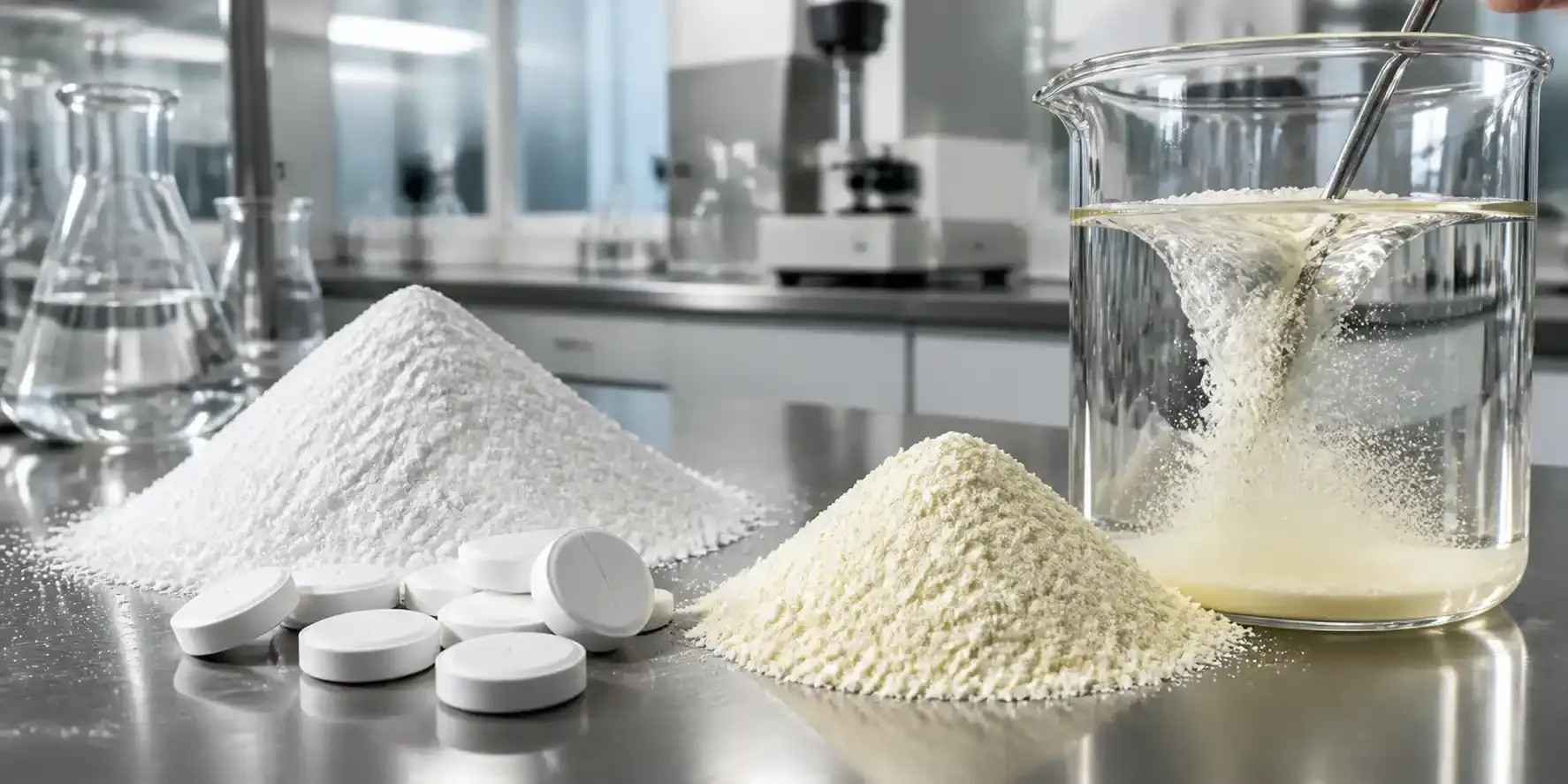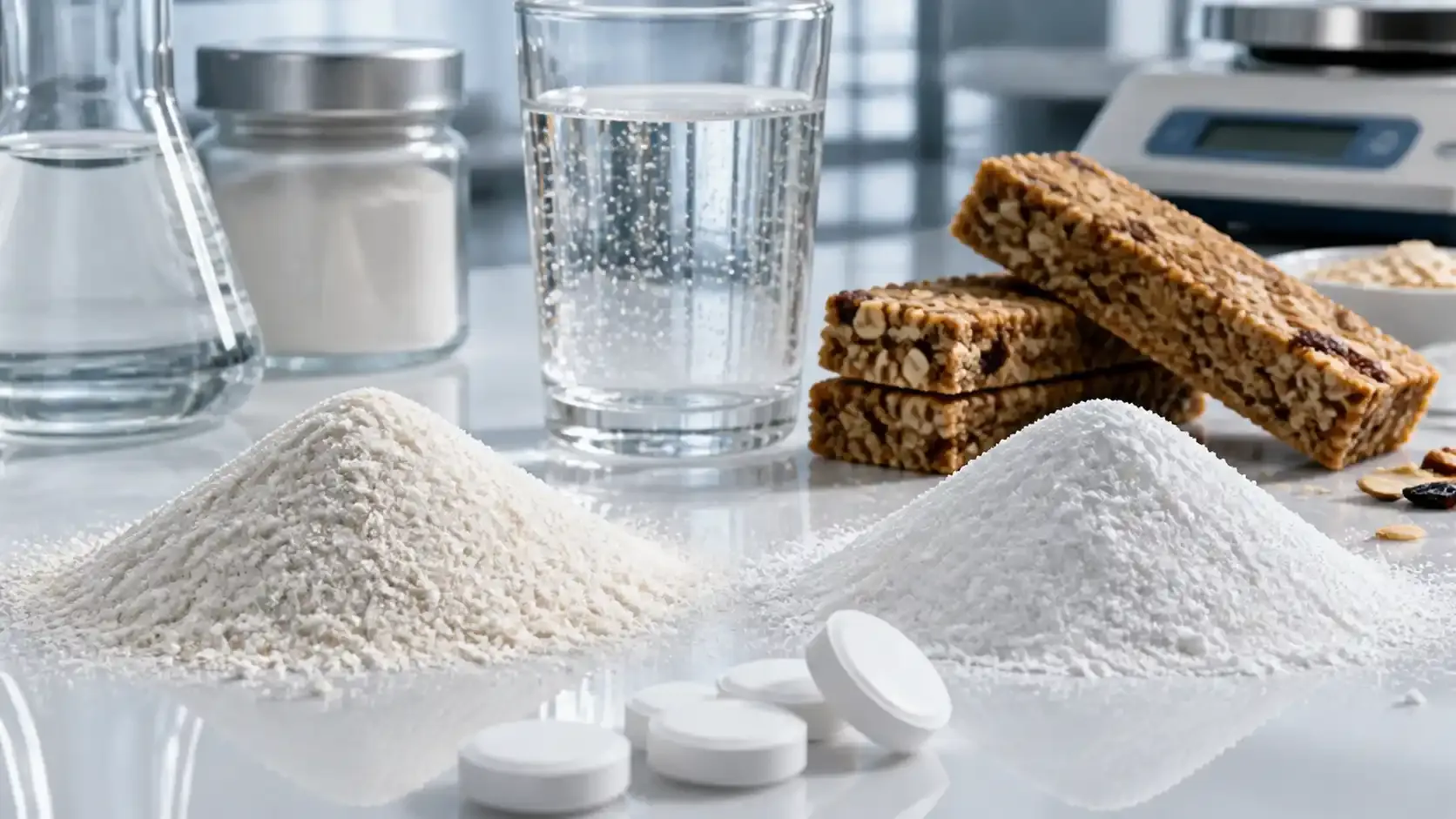
Fiber has evolved from a simple label enhancement to a critical formulation component that directly impacts taste, stability, nutritional claims, and ultimately, repeat purchase rates. This fundamental shift is a primary reason why the global demand for resistant dextrin is accelerating, alongside a renewed industry focus on excipient consistency, where microcrystalline cellulose (MCC) continues to serve as an indispensable foundation for solid dosage forms. For global procurement teams, this evolution is fundamentally redefining the criteria for evaluating a China resistant dextrin manufacturer or a microcrystalline cellulose supplier China—particularly when product lines are slated to scale across diverse international markets.

Market Drivers Beyond Consumer Preferences
Across the spectrum of functional foods, dietary supplement powders, and sugar-reduced snacks, product development teams increasingly treat soluble fiber as a core performance input rather than a mere marketing add-on. The mainstream adoption of clean-label and plant-based positioning has significantly raised the bar on supplier documentation. Procurement managers must now rigorously verify raw material origin, automated process controls, and strict batch-to-batch consistency.
Public market reporting consistently highlights plant-based and clean-label initiatives as structural drivers of functional ingredient growth. This persistent trend keeps premium soluble dietary fibers securely in the spotlight. For buyers, the practical implication is clear: while previous sourcing cycles may have prioritized price and lead time, current and future strategies must focus on repeatable performance. This includes evaluating exactly how the ingredient behaves under stress in beverage matrices, baked systems, gummies, dairy products, and specialized nutrition powders.
Technical Specifications: Resistant Dextrin and MCC
Core Attributes of Resistant Dextrin
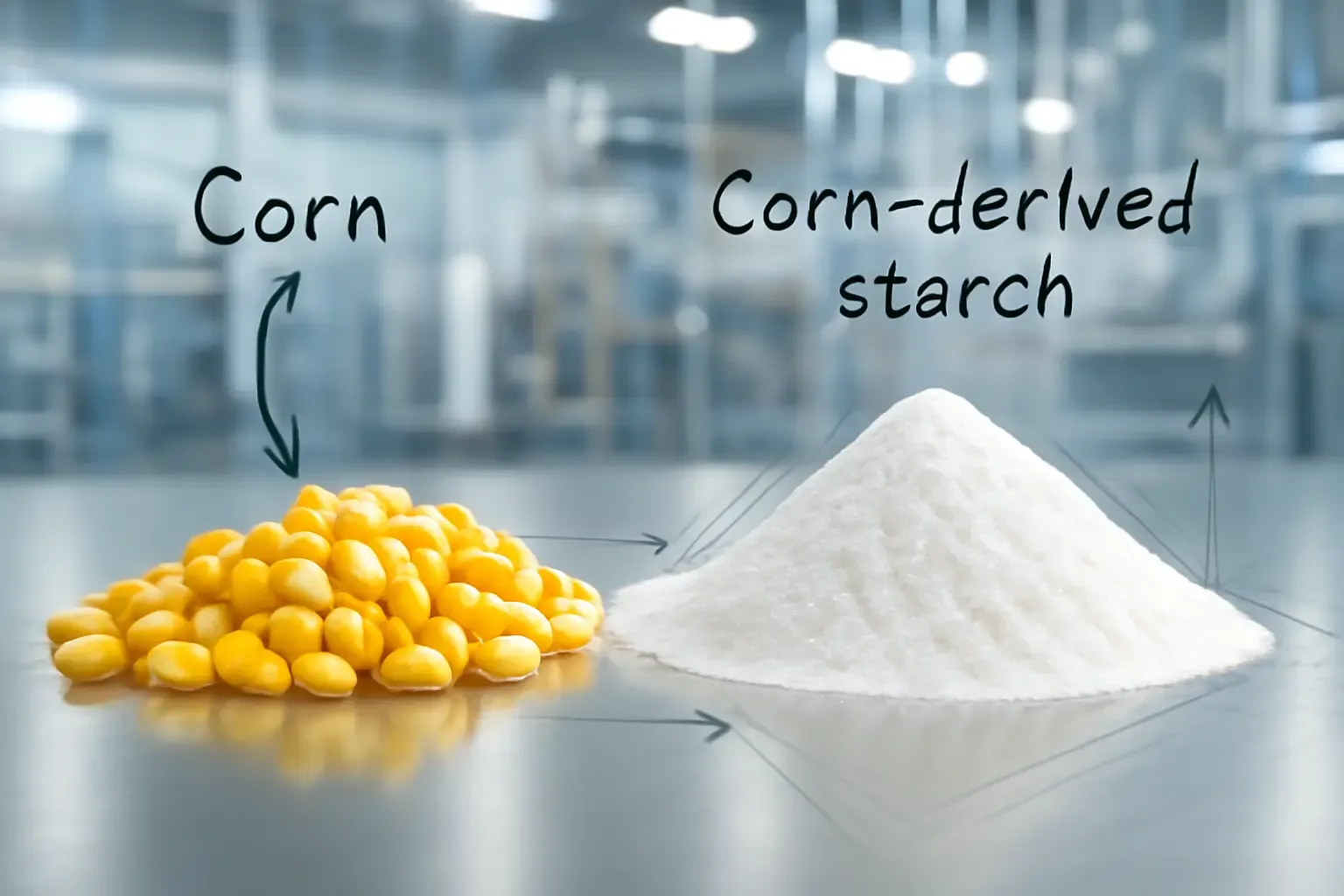
Resistant dextrin is a highly functional soluble dietary fiber produced through the controlled enzymatic treatment of starch, most commonly premium corn starch. It is engineered to resist digestion in the small intestine, safely reaching the colon where it undergoes beneficial fermentation. In practical formulation terms, this fiber is highly valued for its exceptionally mild taste, low sweetness profile, and robust processing stability. These characteristics allow it to seamlessly integrate into complex sugar-reduction and fiber-fortification projects without introducing unwanted "fiber off-notes."

Commercial specifications for high-tier applications commonly emphasize:
- Raw material integrity: Premium corn starch, frequently positioned as non-GMO to support stringent clean-label programs.
- Visual appearance: A refined white to light yellow powder.
- Fiber content targets: Standard grades often require ≥82%, while advanced formulations demand ≥90% total dietary fiber (on a dry basis).
- Solubility metrics: Frequently rated around 70%, ensuring clear dissolution in liquids.
- Processing behavior: Proven heat and acid stability for broad applicability across extreme manufacturing conditions.
Functional Role of Microcrystalline Cellulose
Microcrystalline cellulose (MCC) is universally recognized as a critical functional excipient utilized to enhance tabletability, flow dynamics, compressibility, and overall formulation robustness in solid dosage forms. Unlike dietary fibers evaluated for nutritional claims, MCC is scrutinized against strict compendial expectations and mechanical consistency needs, such as precise particle size distribution, tightly controlled moisture content, and optimal flowability. Buyers managing portfolios that include both functional foods and pharmaceuticals increasingly run parallel qualification tracks for these ingredients, as audit expectations and batch-to-batch stability requirements are virtually identical in practice.
How Clinical Evidence Influences Purchasing Decisions
Procurement teams rarely execute bulk orders solely based on a single clinical study. However, the purchasing environment shifts dramatically when scientific evidence becomes consistent enough that brand teams feel secure in scaling products with specific health claims.
Recent systematic reviews and extensive meta-analyses have solidified confidence that resistant dextrin contributes significantly to glycemic control and digestive health when incorporated into a balanced, fiber-forward diet. The implication for buyers is that it has become strategically sound for brands to justify long-term SKU development built entirely around the functional benefits of soluble dietary fiber.
For sourcing professionals, this clinical backing dictates two critical operational decisions:
- Stability and GI tolerance are non-negotiable commercial requirements. As product lines expand globally, any gastrointestinal tolerance complaints, unexpected haze in clear beverages, or texture drift in dairy applications quickly escalate into severe reputational issues.
- Specifications must translate directly into consumer experience. The chosen resistant dextrin supplier China must deliver unwavering performance in the actual food matrix, extending far beyond the provision of a compliant Certificate of Analysis (COA).
The Emergence of Shandong as a Sourcing Hub
China maintains its position as a central global supply base for functional ingredients, with Shandong province emerging as a frequently referenced origin for premium soluble fiber production. Sophisticated buyer interest is driven by the strategic advantages that naturally cluster within a mature, specialized supply hub:
- Access to highly scalable starch supply chains perfectly suited for continuous corn-based soluble fiber production.
- Implementation of fully automated central control operations, often utilizing precision production lines of German origin, which drastically reduce human error and product variability.
- Advanced QC laboratories conducting standardized release testing to seamlessly support complex export documentation.
- Robust OEM/ODM capabilities for brands seeking reliable functional fiber OEM private label China programs.
From a strategic sourcing standpoint, the objective is to identify a manufacturer capable of repeatedly hitting stringent formulation targets. Facilities that integrate advanced biological enzymes and refined manufacturing craftsmanship are uniquely positioned to deliver the sensory neutrality and high solubility required for delicate beverages and powders.
Regional Sourcing Priorities for Global Markets
Europe
European product development teams operate under intense pressure to meet fast-moving clean-label expectations while simultaneously reducing sugar without compromising taste. This regulatory and consumer landscape makes resistant dextrin an exceptionally attractive ingredient. Buyer priorities in this region typically include:
- Clear, unwavering fiber specifications (e.g., strictly maintaining ≥82% or ≥90% dry basis) precisely aligned with rigorous EFSA labeling plans.
- Flawless solubility and clarity expectations, particularly for clear beverage or delicate dairy systems.
- Impeccably documented origin (verifiable non-GMO corn starch) and end-to-end traceability.
- Proven heat/acid stability tailored for UHT processing, fermentation, or extended shelf-stable applications.
Asia-Pacific
Innovation cycles within the APAC region are notably rapid, characterized by frequent product launches across dairy, RTD beverages, and novel snack formats. In this high-velocity environment, the most valuable supply partner is one that actively helps minimize reformulation loops by delivering absolute batch consistency and highly responsive technical documentation. Practical priorities encompass:
- Predictable mixing behavior with minimal viscosity impact during high-speed production.
- An absolutely neutral taste profile to protect delicate regional flavors such as green tea, local fruits, and specialized dairy.
- Versatility to support multiple packaging formats, from bulk powders to single-serve sachets and stick packs.
Latin America
Markets in Latin America frequently balance acute cost sensitivity with a surging demand for "better-for-you" everyday staples, particularly in the beverage and confectionery sectors. Resistant dextrin is highly compelling here, supporting economical sugar reduction and fiber fortification without necessitating major capital expenditure on new processing equipment. Buyer priorities focus on:
- Robust packaging and logistics solutions featuring multi-layered moisture protection to ensure extended shelf-life stability in humid climates.
- Strict batch consistency to completely eliminate plant downtime associated with rework.
- Comprehensive supplier capability to support localized private label SKUs efficiently.
Strategic Sourcing Checklist for Procurement Teams
To translate market momentum into specifications that actively reduce downstream manufacturing surprises, procurement teams should utilize a structured validation approach.
Resistant Dextrin Validation
- Identity and Origin: Verify the fiber is produced from high-quality corn starch; demand documentation for any non-GMO positioning required by your marketing strategy.
- Fiber Content Precision: Explicitly specify whether the formulation requires ≥82% or ≥90% dietary fiber (dry basis) to meet intended nutritional claims.
- Solubility Verification: Confirm the baseline solubility level (targeting ≥70%) and precisely define the analytical methods your internal QC will use to test it upon receipt.
- Sensory and Appearance: Ensure the product is a white to light yellow powder with a strictly neutral taste profile, crucial for dairy and clear liquid applications.
- Process Stability: Demand technical data confirming behavior under the specific heat and pH conditions relevant to your manufacturing process.
- COA Integrity: Ensure the items listed on the supplier's COA perfectly align with the actual release criteria used by your internal quality control team.
- Private Label Readiness: If developing a branded fiber SKU, confirm the supplier's infrastructure can support seamless OEM/ODM programs without sudden specification shifts.
MCC Validation
- Grade Optimization: Select the exact MCC grade based on the required compressibility, flow dynamics, and specific solid dosage formulation design.
- Rigorous QC Parameters: Enforce strict tolerances for particle size distribution, moisture content limits, and bulk flowability.
- Documentation Compliance: Confirm total alignment with international compendial standards and demand strict change-control discipline from the manufacturer.
Procurement Outlook: Focus on Scalability and Stability
Functional ingredient innovation shows no signs of decelerating, but modern procurement teams are increasingly evaluated on how smoothly these new products scale from pilot plant to global distribution. In this demanding context, resistant dextrin has transitioned into a highly strategic ingredient, reliably supporting dietary fiber targets while keeping flavor profiles clean and manufacturing processes stable. Concurrently, MCC remains a critical focus area, as even minor excipient variability can silently disrupt high-speed tablet production.
For teams actively building a robust supplier shortlist, standardizing your internal specification sheet—detailing fiber content basis, specific solubility testing methods, and exact stability conditions—is the crucial first step. This ensures every potential partner is evaluated on identical technical grounds, prioritizing repeatable performance over initial sample quality.
For procurement teams seeking a reliable partner capable of meeting these stringent requirements, exploring the offerings of established industry experts is a practical next step. You can review comprehensive functional ingredient portfolios, technical specifications, and documentation readiness at www.sdshinehealth.com.