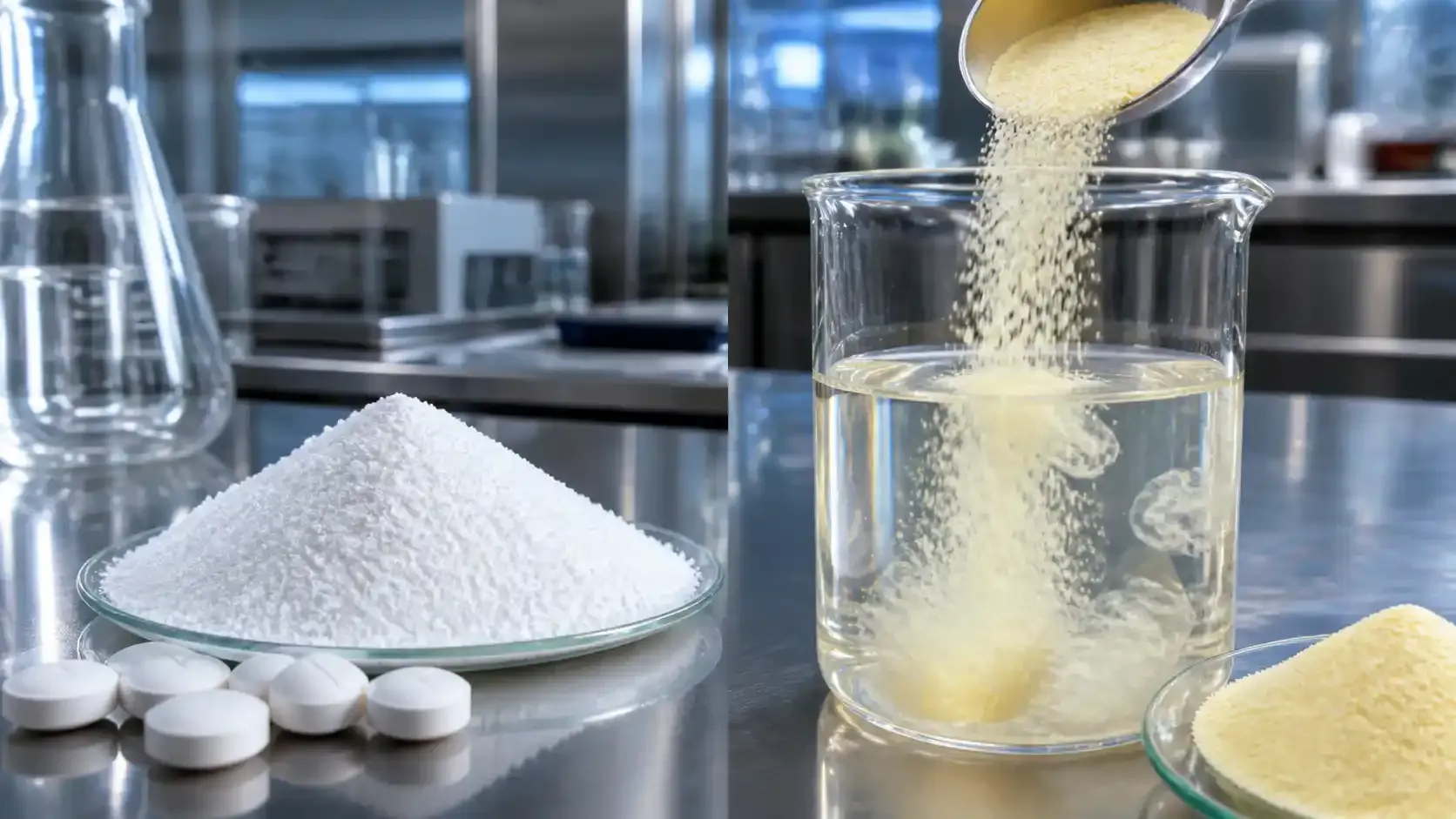
Procurement teams are under pressure from both sides: more launches are targeting fiber-forward positioning and cleaner processing aids, while quality teams are asking for stronger evidence that materials will behave the same way at pilot scale and at full production. That is exactly why buyers keep
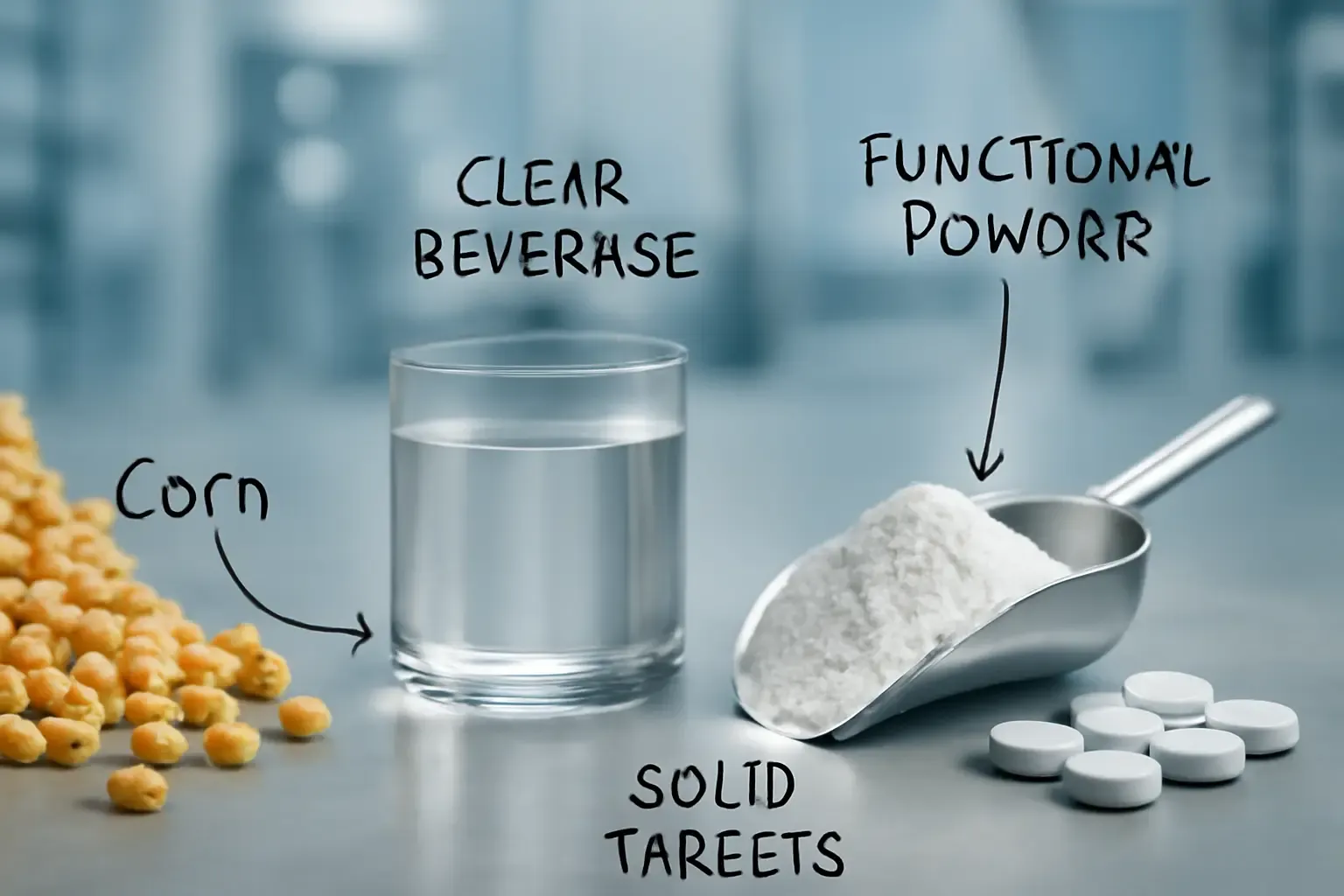
Functional food and nutraceutical pipelines are crowded with “more fiber” concepts—yet many product launches stall when fiber claims collide with taste, clarity, flowability, or tablet strength. An effective strategy to reduce both formulation risk and sourcing risk is to evaluate resistant dextrin
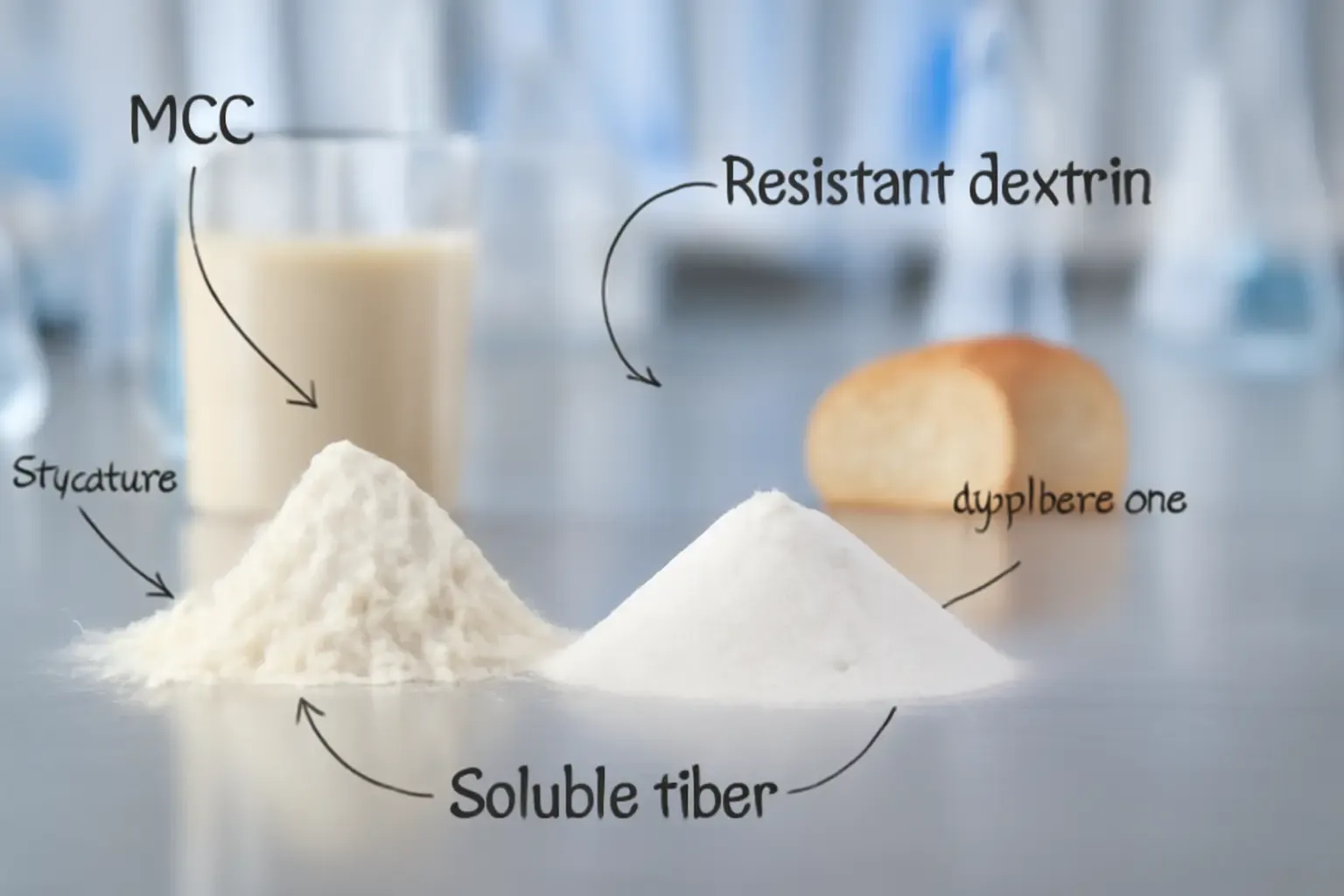
High-fiber product development is no longer only about nutrition panels. Procurement and R&D teams are now expected to deliver repeatable texture, stable shelf life, and credible fiber claims—often under cost pressure and tight launch windows. Two ingredients show up again and again in scalable form

Sugar reduction and fiber enrichment are now being designed into products from day one—not added as an afterthought. Resistant dextrin and soluble corn fiber have become go-to tools because they raise fiber content with low sweetness, neutral taste, and strong process stability . For buyers searchin
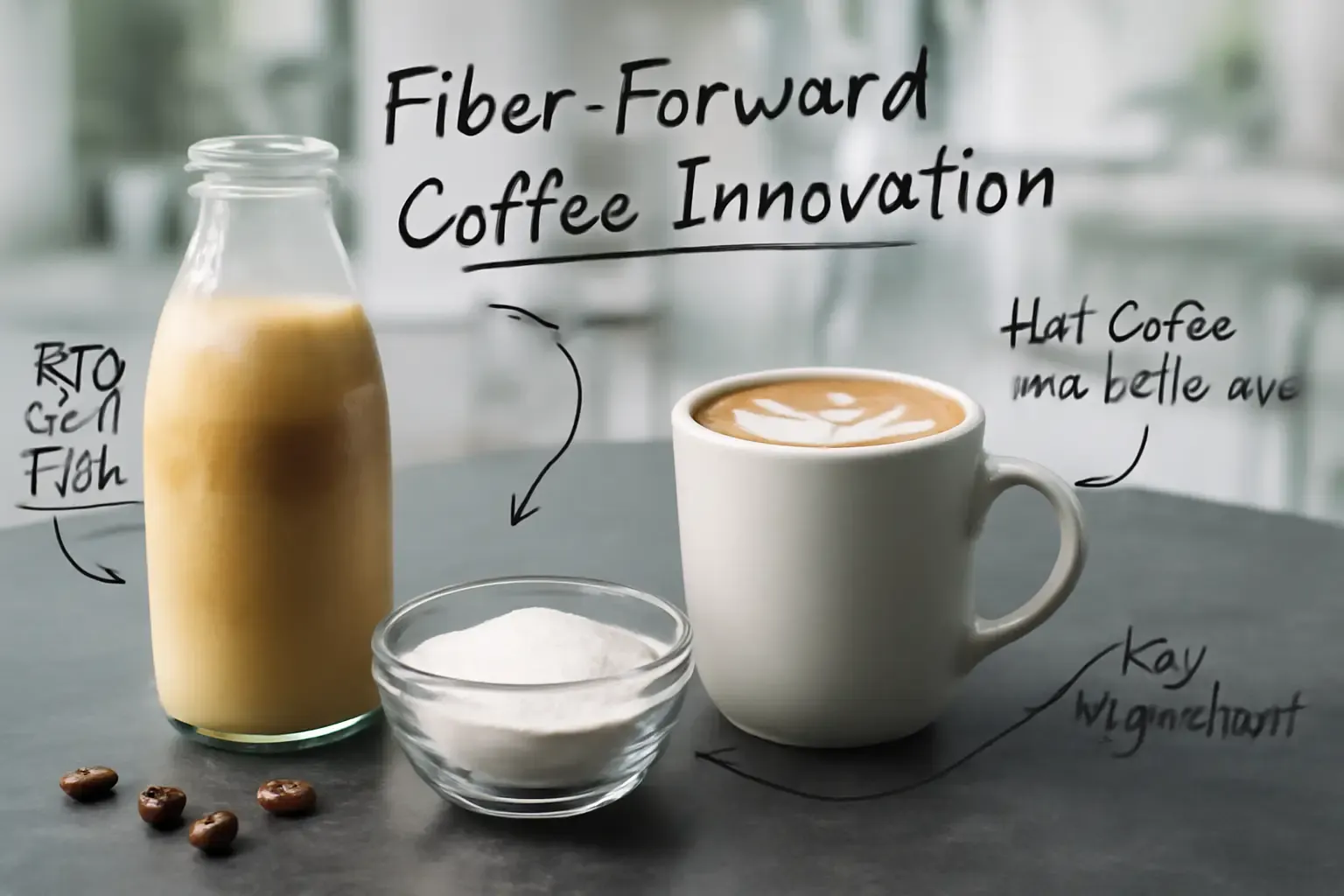
Coffee serves as a surprisingly practical platform for fiber-forward beverage innovation . Modern brands demand products that support everyday wellness without turning a morning brew into a thick, gritty nutrition shake. For procurement and R&D buyers, the actual hurdle goes beyond marketing claims—
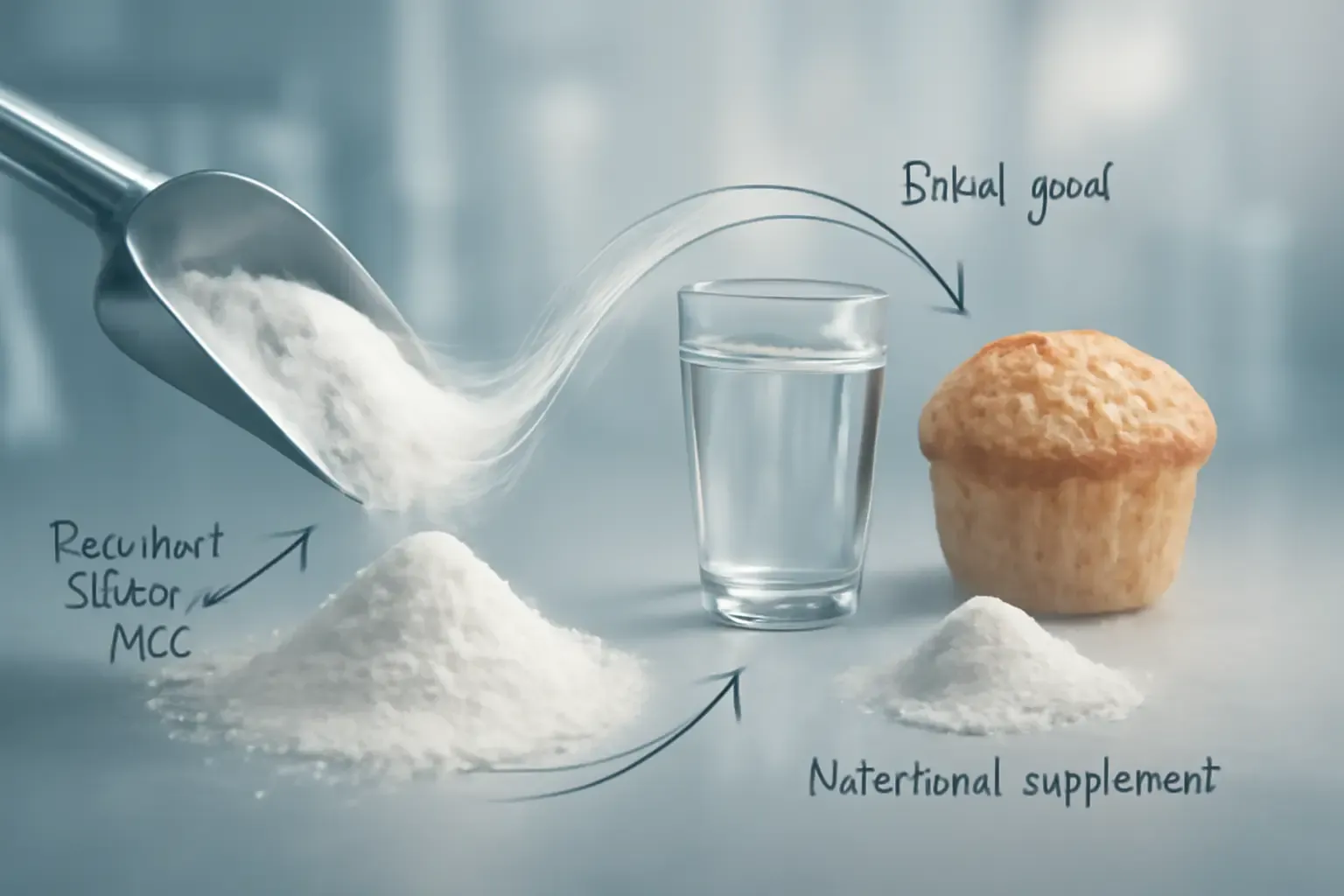
High-fiber positioning is no longer limited to niche wellness products. In beverages, baked goods, and nutrition powders, procurement teams are increasingly asked to raise fiber content, lower sugar, and keep taste predictable at scale. Resistant dextrin (often labeled as soluble corn fiber or resis
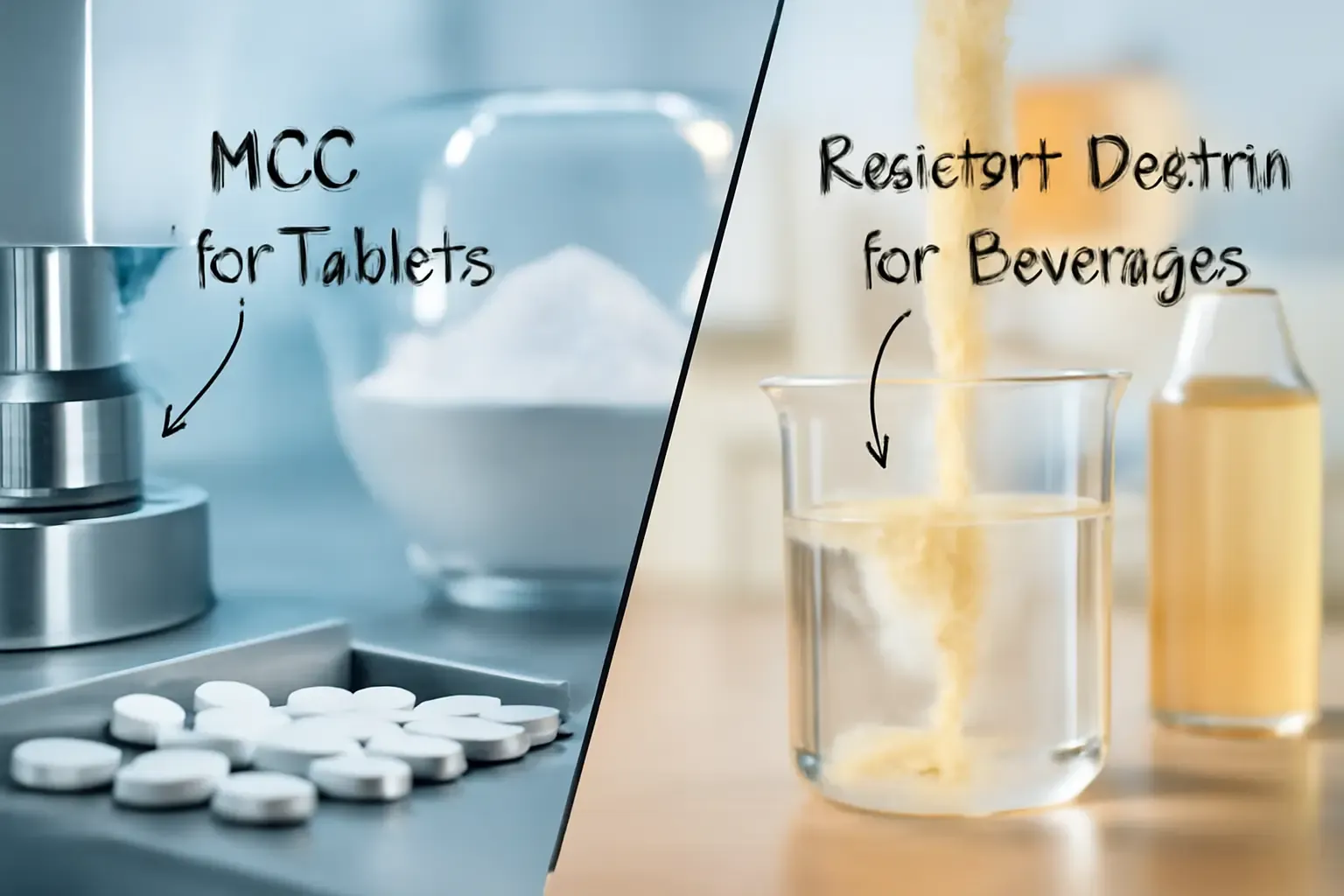
Procurement teams are watching two trends collide: fiber-forward product launches and tighter expectations around supplement manufacturing discipline. The practical response is rarely a “new miracle ingredient.” Instead, brands are standardizing ingredients that behave predictably in production—espe
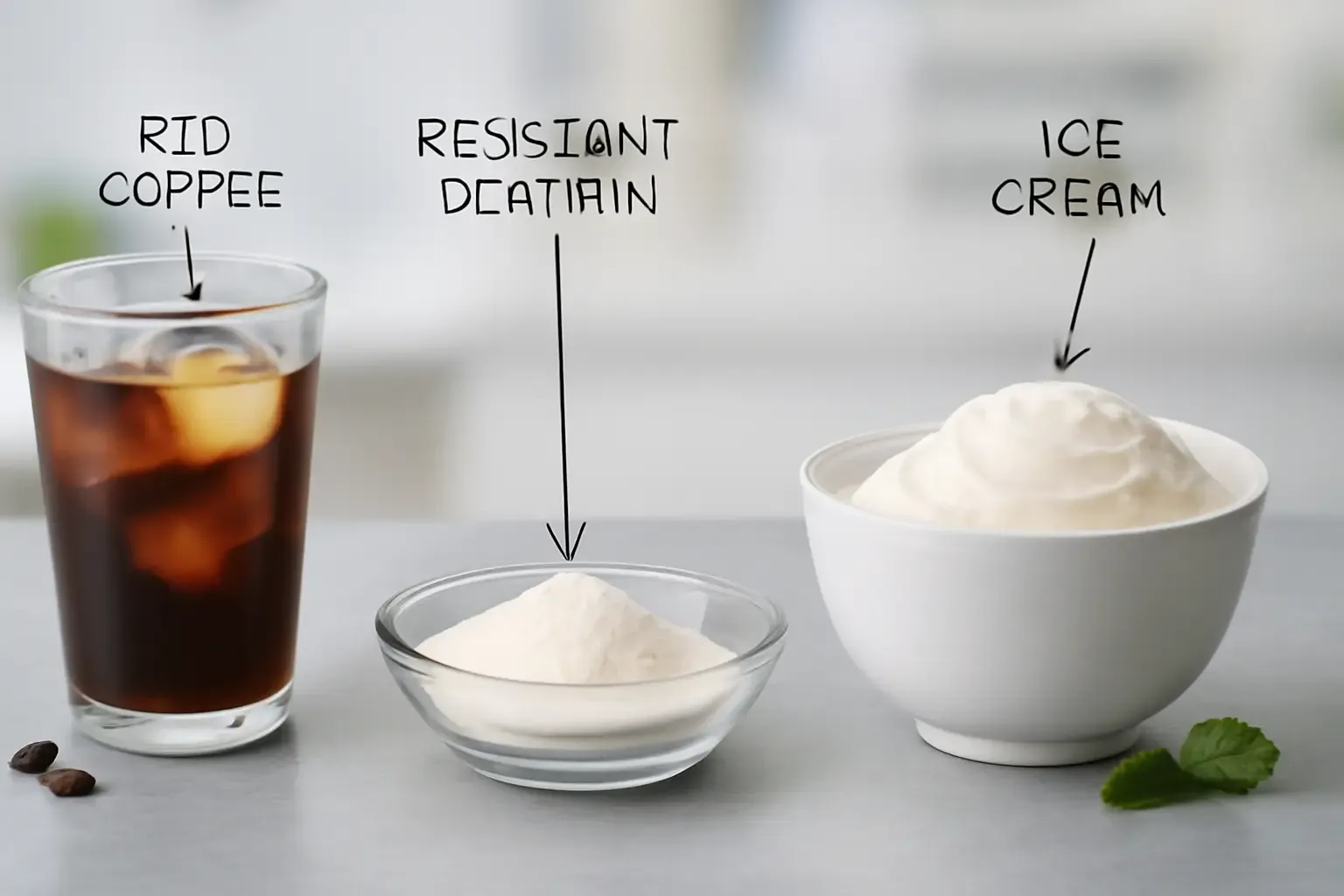
Fiber is increasingly behaving like a strategic macronutrient in product launches—especially within the beverage and dairy sectors, where formulators require nutrition upgrades without sensory compromise. For procurement teams, this shift redefines what "good ingredient sourcing" actually entails. T

Developing fiber-forward product formulations is no longer merely an optional strategy in today's competitive market. For numerous modern brands, these initiatives are strictly tied to reduced sugar targets, gut-health positioning, and maintaining strong repeat purchase expectations. The primary cha
Fiber is quickly moving from a "nice-to-have" nutrition feature to a core product promise—especially in beverages, diet powders, and better-for-you snacks. For procurement teams, this shift introduces a practical hurdle: a "high fiber" claim is only as reliable as the resistant dextrin specification
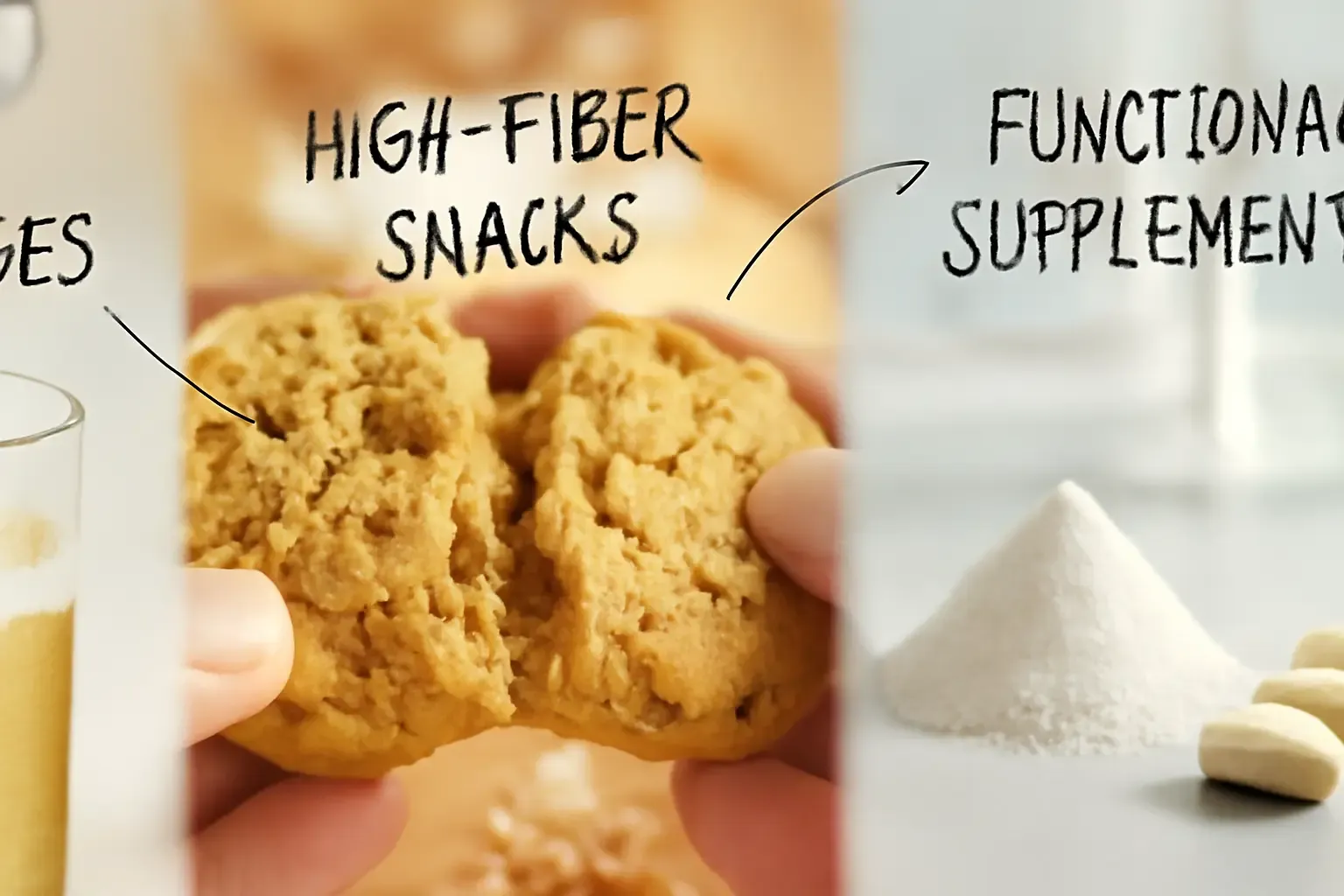
Fiber is no longer a “nice-to-have” add-on. For many food, beverage, and supplement brands heading into 2026, fiber has become a front-of-pack decision that influences sweetness strategy, texture targets, and even the dosage format. In that shift, resistant dextrin (often labeled as resistant maltod
Fiber-forward positioning is moving from an optional claim to a core product strategy, especially as brands face ongoing pressure to reduce sugar without sacrificing taste or texture. In that push, resistant dextrin has emerged as a highly dependable tool. It introduces soluble dietary fiber into fo
Procurement teams are under pressure from both sides: more launches are targeting fiber-forward positioning and cleaner processing aids, while quality teams are asking for stronger evidence that materials will behave the same way at pilot scale and at full production. That is exactly why buyers keep
Functional food and nutraceutical pipelines are crowded with “more fiber” concepts—yet many product launches stall when fiber claims collide with taste, clarity, flowability, or tablet strength. An effective strategy to reduce both formulation risk and sourcing risk is to evaluate resistant dextrin
High-fiber product development is no longer only about nutrition panels. Procurement and R&D teams are now expected to deliver repeatable texture, stable shelf life, and credible fiber claims—often under cost pressure and tight launch windows. Two ingredients show up again and again in scalable form
Sugar reduction and fiber enrichment are now being designed into products from day one—not added as an afterthought. Resistant dextrin and soluble corn fiber have become go-to tools because they raise fiber content with low sweetness, neutral taste, and strong process stability . For buyers searchin
Coffee serves as a surprisingly practical platform for fiber-forward beverage innovation . Modern brands demand products that support everyday wellness without turning a morning brew into a thick, gritty nutrition shake. For procurement and R&D buyers, the actual hurdle goes beyond marketing claims—
High-fiber positioning is no longer limited to niche wellness products. In beverages, baked goods, and nutrition powders, procurement teams are increasingly asked to raise fiber content, lower sugar, and keep taste predictable at scale. Resistant dextrin (often labeled as soluble corn fiber or resis
Procurement teams are watching two trends collide: fiber-forward product launches and tighter expectations around supplement manufacturing discipline. The practical response is rarely a “new miracle ingredient.” Instead, brands are standardizing ingredients that behave predictably in production—espe
Fiber is increasingly behaving like a strategic macronutrient in product launches—especially within the beverage and dairy sectors, where formulators require nutrition upgrades without sensory compromise. For procurement teams, this shift redefines what "good ingredient sourcing" actually entails. T
Developing fiber-forward product formulations is no longer merely an optional strategy in today's competitive market. For numerous modern brands, these initiatives are strictly tied to reduced sugar targets, gut-health positioning, and maintaining strong repeat purchase expectations. The primary cha
Fiber is quickly moving from a "nice-to-have" nutrition feature to a core product promise—especially in beverages, diet powders, and better-for-you snacks. For procurement teams, this shift introduces a practical hurdle: a "high fiber" claim is only as reliable as the resistant dextrin specification
Fiber is no longer a “nice-to-have” add-on. For many food, beverage, and supplement brands heading into 2026, fiber has become a front-of-pack decision that influences sweetness strategy, texture targets, and even the dosage format. In that shift, resistant dextrin (often labeled as resistant maltod
Fiber-forward positioning is moving from an optional claim to a core product strategy, especially as brands face ongoing pressure to reduce sugar without sacrificing taste or texture. In that push, resistant dextrin has emerged as a highly dependable tool. It introduces soluble dietary fiber into fo