High-fiber product launches are moving faster than many ingredient qualification cycles. The brands that win tend to standardize a dual-fiber toolkit : a soluble fiber for clean taste and label-friendly sugar reduction, and an insoluble fiber for structure and processing reliability. In practice, pa
Product development teams often face a familiar challenge: a functional drink or nutritional powder looks fantastic during the initial R&D phase, but the first commercial run disappoints. It might turn out too sweet, hazy in solution, gritty on the tongue, or simply inconsistent when compressed into

Sugar reduction rarely fails because of sweeteners alone. It fails when the body, stability, and label story fall apart at the same time—especially in clear beverages, chewy bars, and high-dose supplement formats. That is why many procurement and R&D teams now evaluate resistant dextrin (also called

High-fiber, low-calorie reformulation is no longer limited to “better-for-you” niche brands. It has become a portfolio-level requirement—especially for manufacturers building both food and supplement lines under one nutrition story. In practice, that means procurement teams are increasingly asked to

Global product teams are being asked to do two things at once: deliver higher fiber and lower sugar claims while keeping manufacturing predictable. That pressure shows up in two very different lines—solid dosage supplements (tablets/capsules) and functional beverages—yet procurement often ends up qu
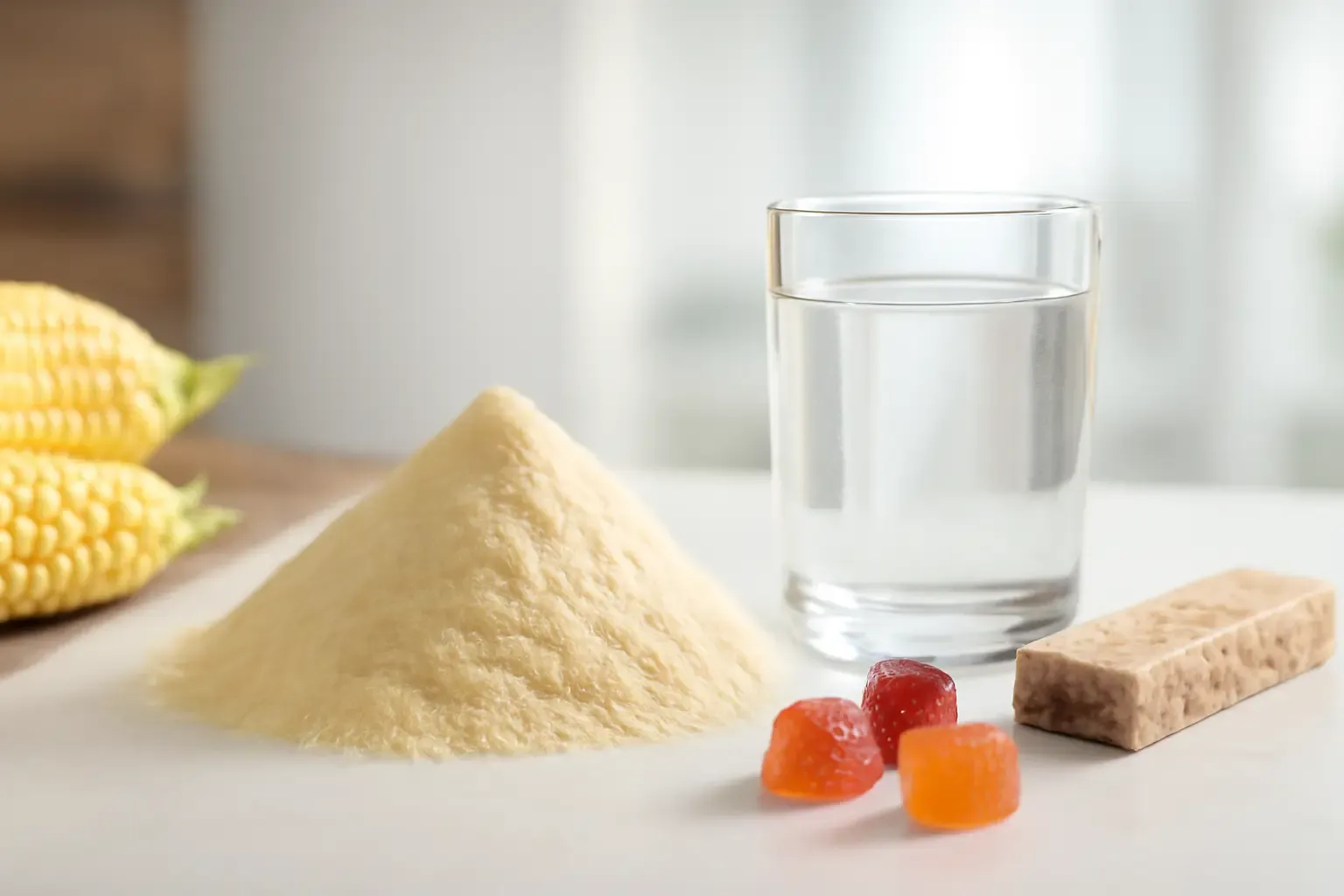
Fibermaxxing has evolved from a fleeting social trend into a highly specific, measurable requirement in modern procurement briefs: formulate products with significantly more dietary fiber without compromising taste, clarity, texture, or manufacturability. For product development and procurement team
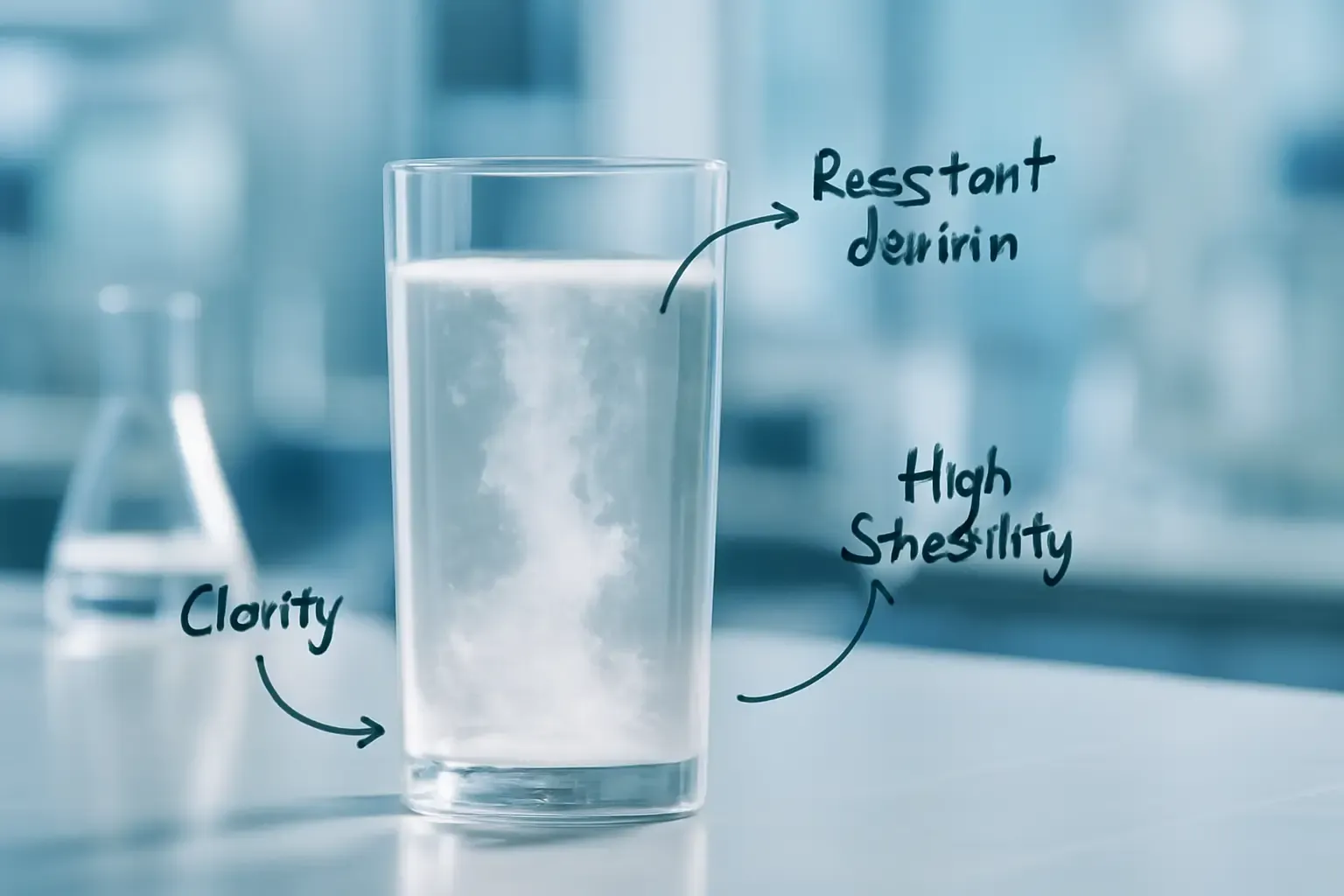
As low-sugar positioning and “fiber per serving” claims move from niche to mainstream, beverage teams are discovering a hard truth: fiber is easy to add on paper, but difficult to keep stable in the bottle . Haze, viscosity creep, off-notes, and sediment can turn a promising prototype into a costly
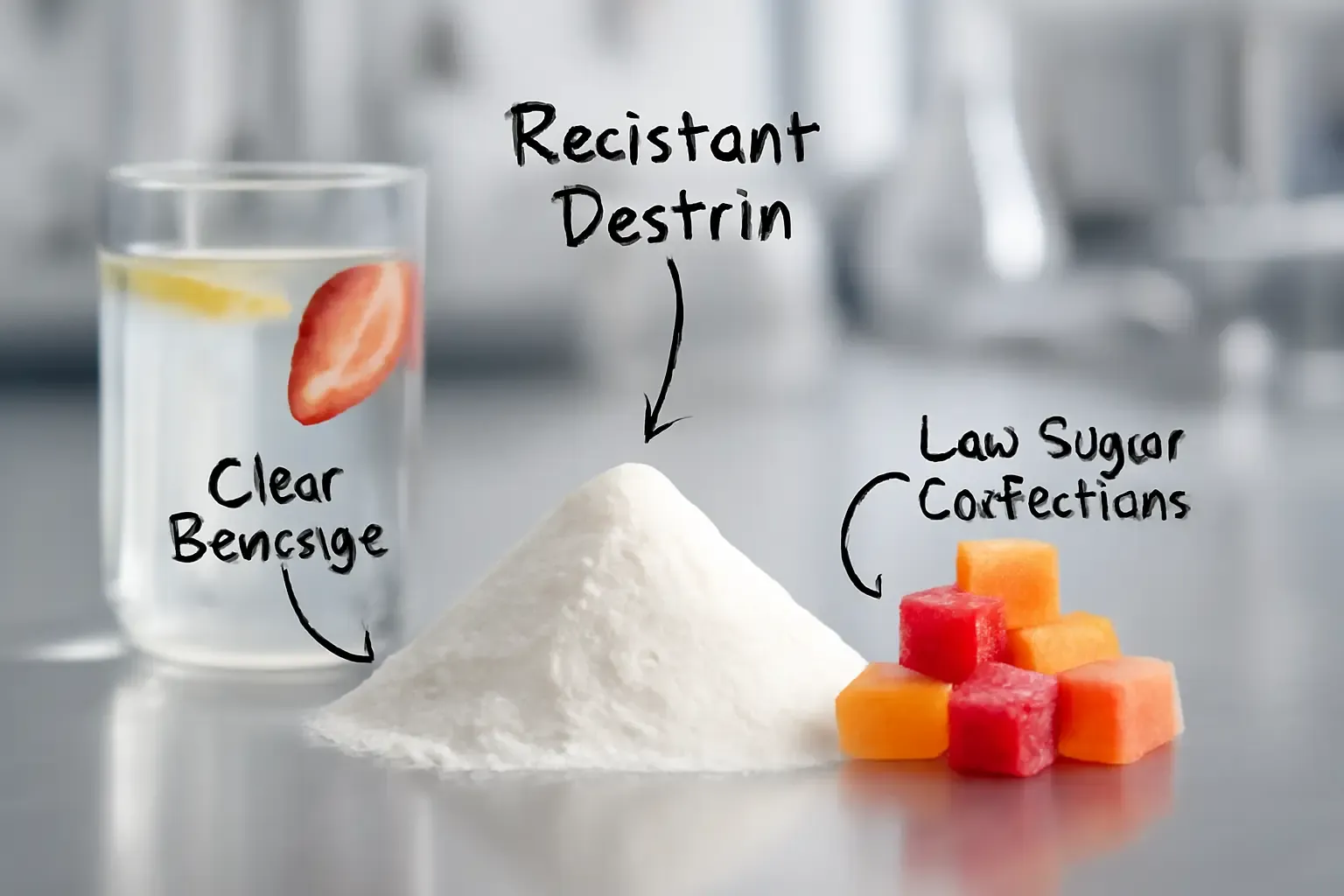
Brands face increasing pressure to deliver lower sugar products that still feel indulgent, mix cleanly, and survive real-world processing conditions. That is exactly why resistant dextrin has transitioned from a “nice-to-have” fiber to an essential tool in reformulation briefs—particularly for confe
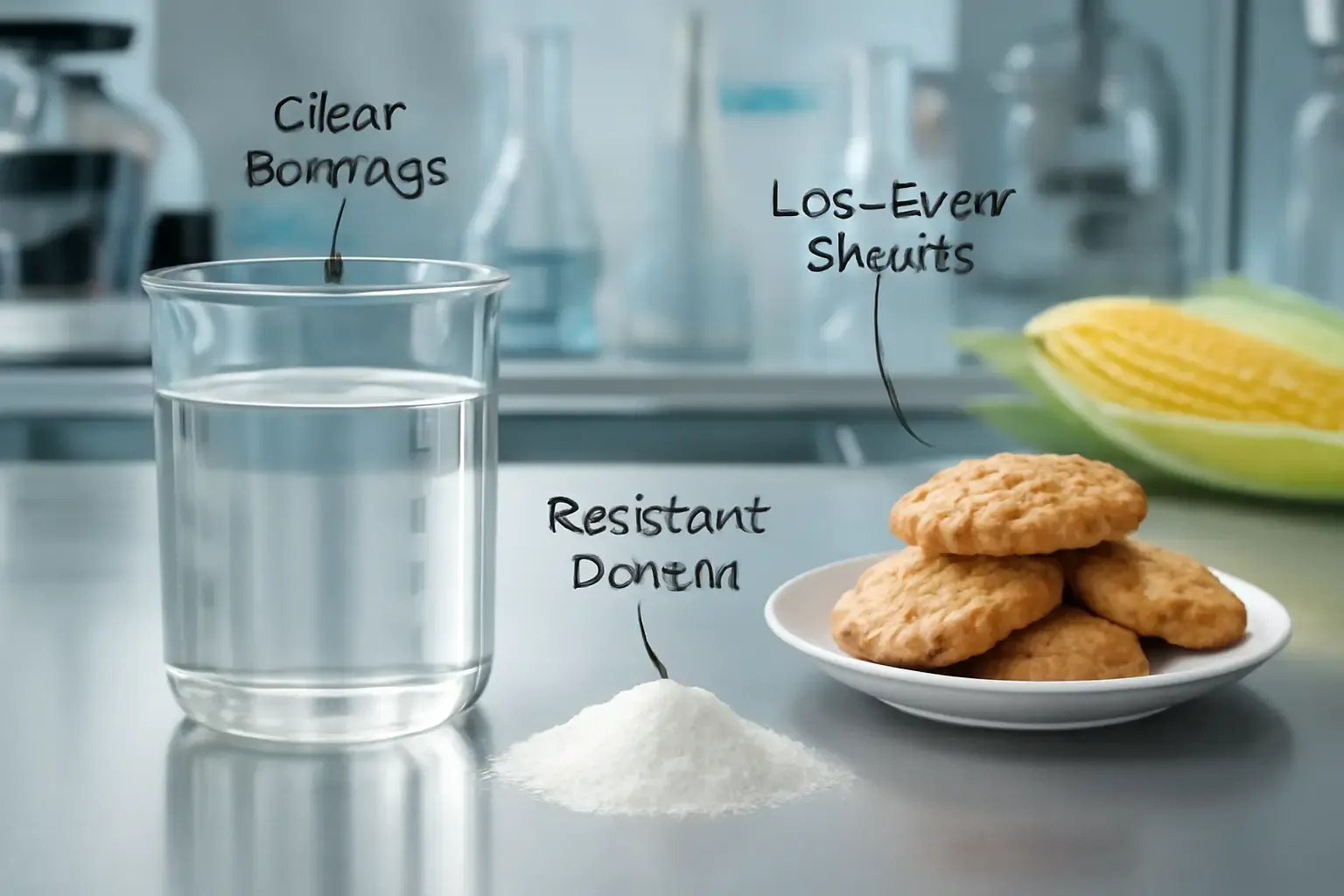
Buyer-focused formulation trials for clear beverages and low-sugar snacks using China resistant dextrin plus MCC checks for solid formats. Accessible nutrition in 2026 is less about "hero" claims and more about everyday formats that can carry fiber without breaking taste, clarity, or cost targets. F
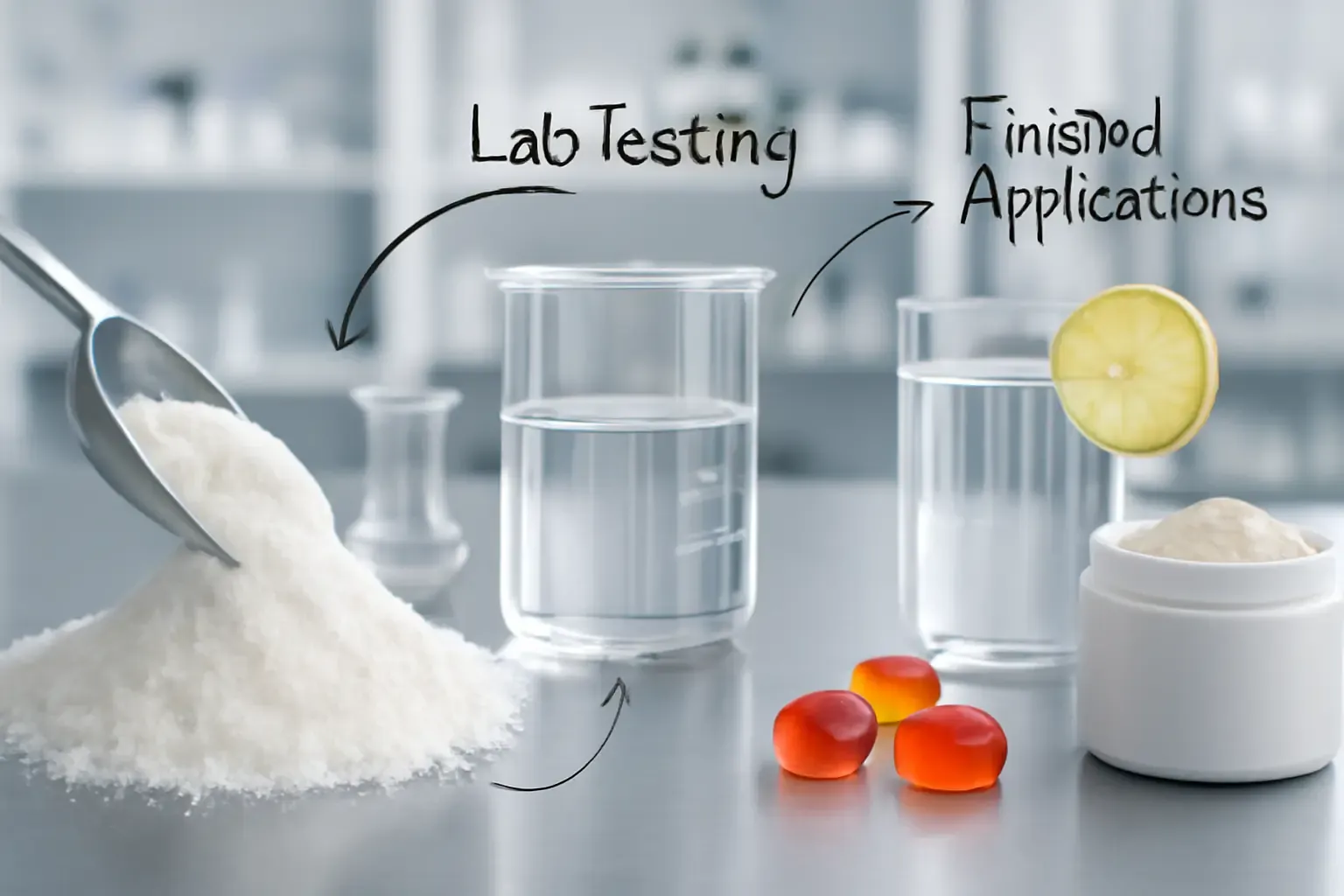
Two pilots tend to separate brochure claims from real performance: a low-sugar beverage that must stay clean and stable, and a keto snack that must deliver fiber without turning gritty or sticky. In both cases, professional buyers are not really “buying a fiber”—they are buying predictable behavior
Fiber-forward product development has moved far beyond the niche “better-for-you” aisles. As we look toward 2026, brands are targeting a trifecta of consumer demands: digestive-friendly benefits , significantly lower sugar profiles , and mainstream taste —often in formats that need to scale rapidly.
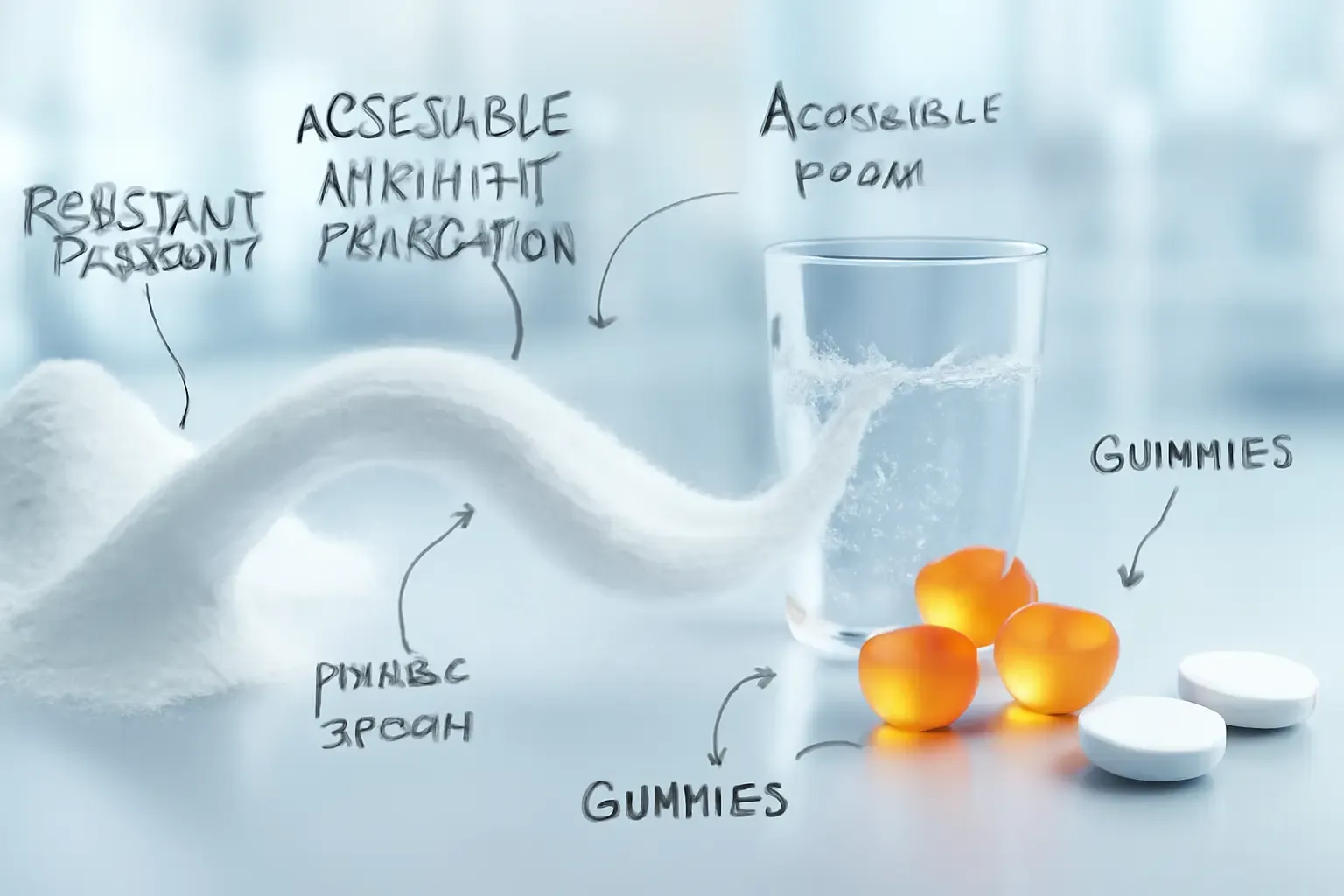
Accessible nutrition is shifting from a marketing phrase to a hard formulation requirement: deliver meaningful fiber, reduce sugar, and keep texture stable at mass-market cost . In 2026 trend coverage, 50% of Gen Z and millennials say they want functional foods that go beyond protein, including fibe
High-fiber product launches are moving faster than many ingredient qualification cycles. The brands that win tend to standardize a dual-fiber toolkit : a soluble fiber for clean taste and label-friendly sugar reduction, and an insoluble fiber for structure and processing reliability. In practice, pa
Product development teams often face a familiar challenge: a functional drink or nutritional powder looks fantastic during the initial R&D phase, but the first commercial run disappoints. It might turn out too sweet, hazy in solution, gritty on the tongue, or simply inconsistent when compressed into
Sugar reduction rarely fails because of sweeteners alone. It fails when the body, stability, and label story fall apart at the same time—especially in clear beverages, chewy bars, and high-dose supplement formats. That is why many procurement and R&D teams now evaluate resistant dextrin (also called
High-fiber, low-calorie reformulation is no longer limited to “better-for-you” niche brands. It has become a portfolio-level requirement—especially for manufacturers building both food and supplement lines under one nutrition story. In practice, that means procurement teams are increasingly asked to
Global product teams are being asked to do two things at once: deliver higher fiber and lower sugar claims while keeping manufacturing predictable. That pressure shows up in two very different lines—solid dosage supplements (tablets/capsules) and functional beverages—yet procurement often ends up qu
Fibermaxxing has evolved from a fleeting social trend into a highly specific, measurable requirement in modern procurement briefs: formulate products with significantly more dietary fiber without compromising taste, clarity, texture, or manufacturability. For product development and procurement team
As low-sugar positioning and “fiber per serving” claims move from niche to mainstream, beverage teams are discovering a hard truth: fiber is easy to add on paper, but difficult to keep stable in the bottle . Haze, viscosity creep, off-notes, and sediment can turn a promising prototype into a costly
Brands face increasing pressure to deliver lower sugar products that still feel indulgent, mix cleanly, and survive real-world processing conditions. That is exactly why resistant dextrin has transitioned from a “nice-to-have” fiber to an essential tool in reformulation briefs—particularly for confe
Buyer-focused formulation trials for clear beverages and low-sugar snacks using China resistant dextrin plus MCC checks for solid formats. Accessible nutrition in 2026 is less about "hero" claims and more about everyday formats that can carry fiber without breaking taste, clarity, or cost targets. F
Two pilots tend to separate brochure claims from real performance: a low-sugar beverage that must stay clean and stable, and a keto snack that must deliver fiber without turning gritty or sticky. In both cases, professional buyers are not really “buying a fiber”—they are buying predictable behavior
Fiber-forward product development has moved far beyond the niche “better-for-you” aisles. As we look toward 2026, brands are targeting a trifecta of consumer demands: digestive-friendly benefits , significantly lower sugar profiles , and mainstream taste —often in formats that need to scale rapidly.
Accessible nutrition is shifting from a marketing phrase to a hard formulation requirement: deliver meaningful fiber, reduce sugar, and keep texture stable at mass-market cost . In 2026 trend coverage, 50% of Gen Z and millennials say they want functional foods that go beyond protein, including fibe