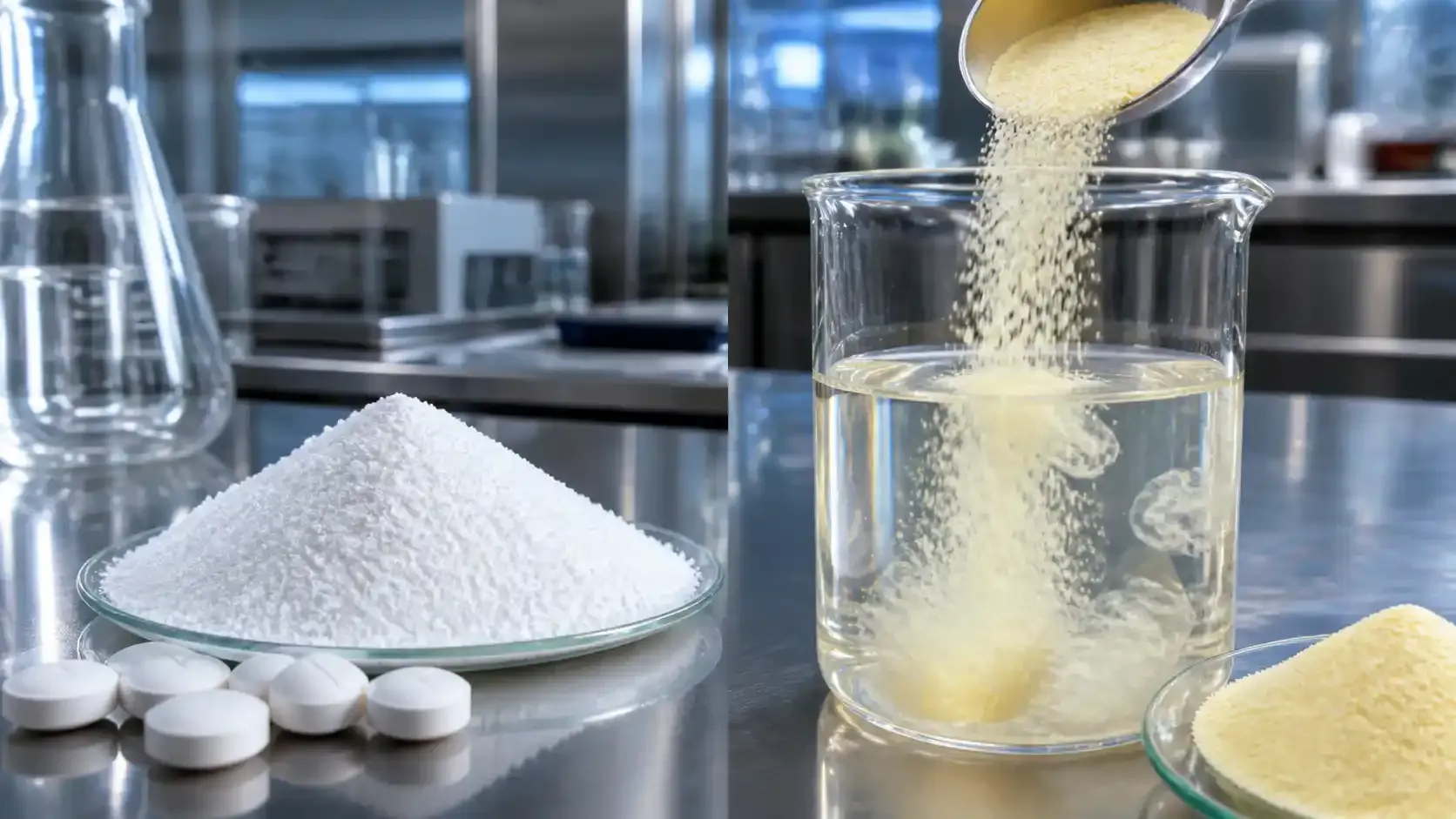
By 2026, "fiber-forward" is no longer a niche positioning—it is a mainstream product brief. Retail and brand teams increasingly expect measurable fiber, lower sugar, and clean sensory performance in beverages, bakery, dairy, and dietary supplements. For procurement teams, this shift creates a practi
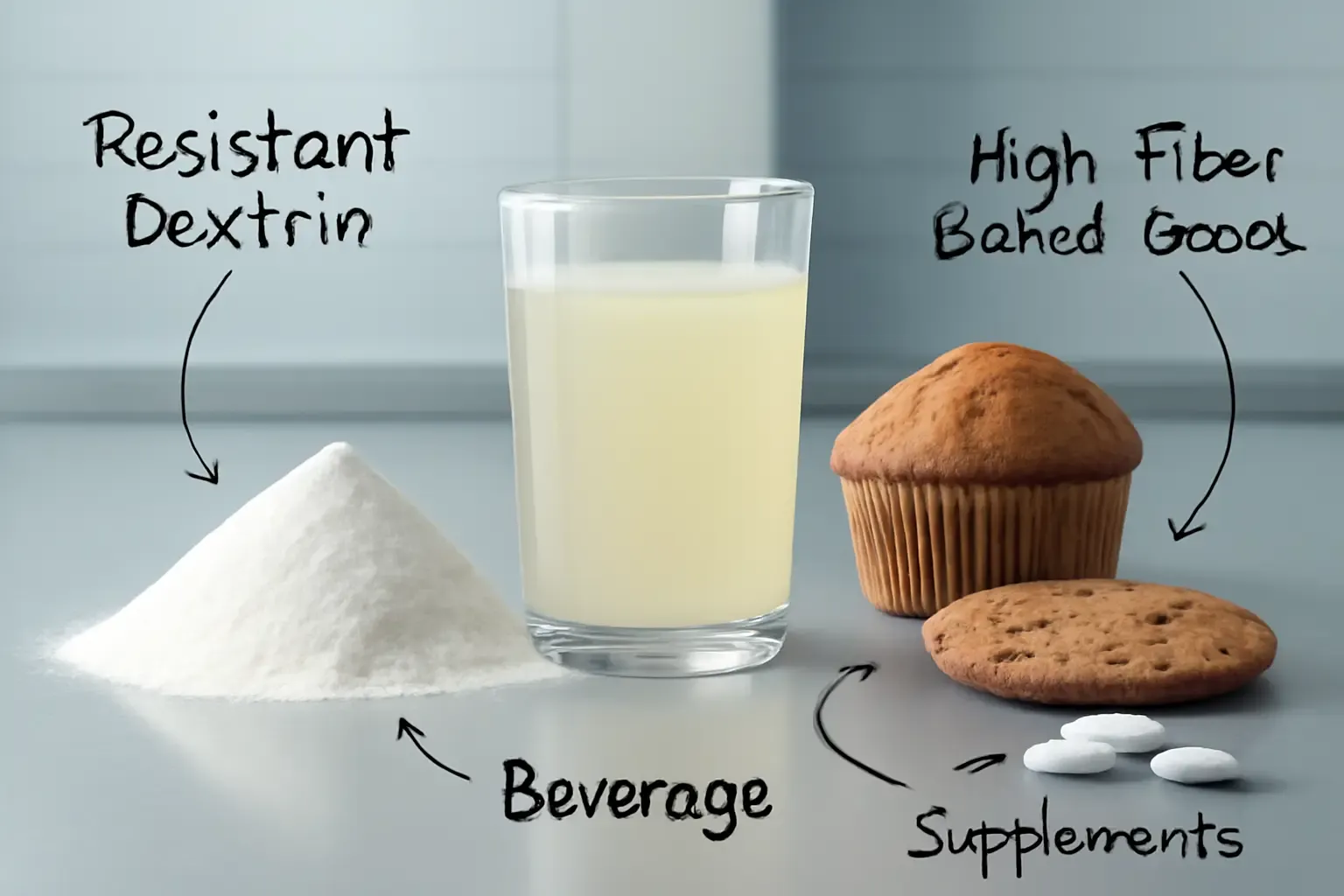
The fastest-growing "better-for-you" launches share the same tension: buyers want lower sugar and higher fiber without sacrificing taste, process stability, or throughput. Consequently, resistant dextrin has quietly become a core tool for R&D teams—especially when they need a soluble fiber that can
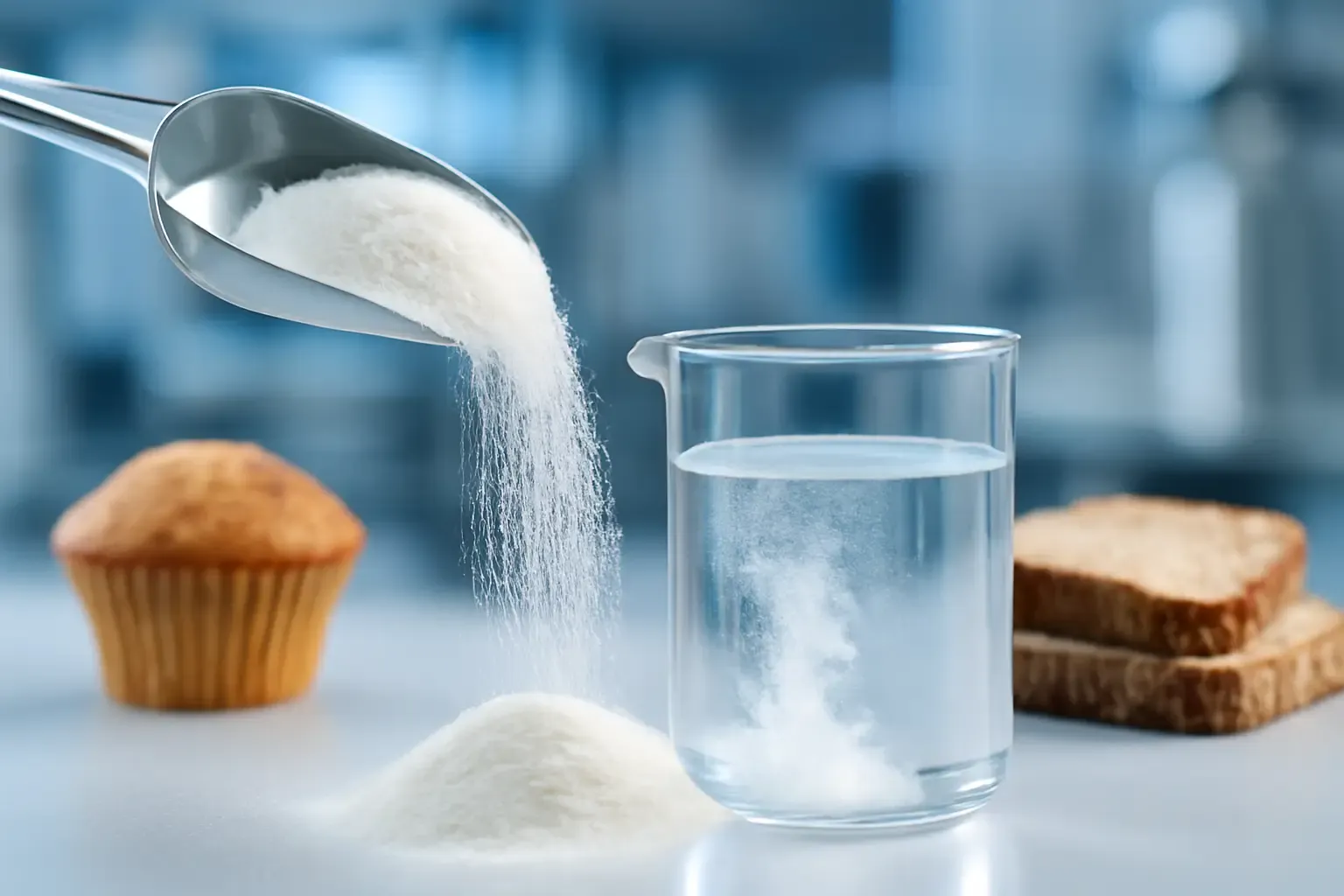
Low sugar beverages have matured past simply removing sugar and hoping for the best. The brands that secure repeat purchases usually solve three problems simultaneously: calorie reduction , drinkable texture , and a credible fiber story that avoids processing headaches. This explains why resistant d
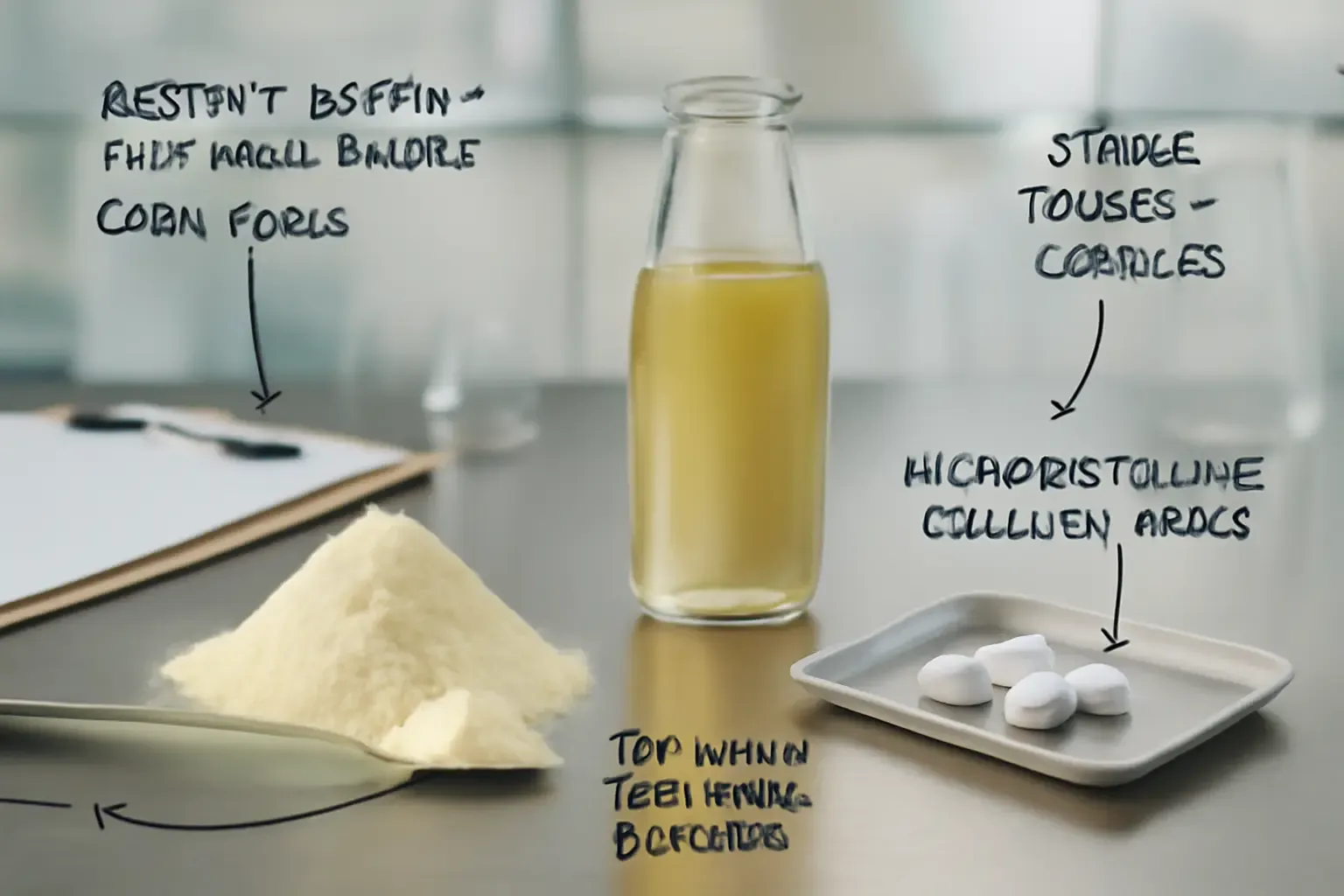
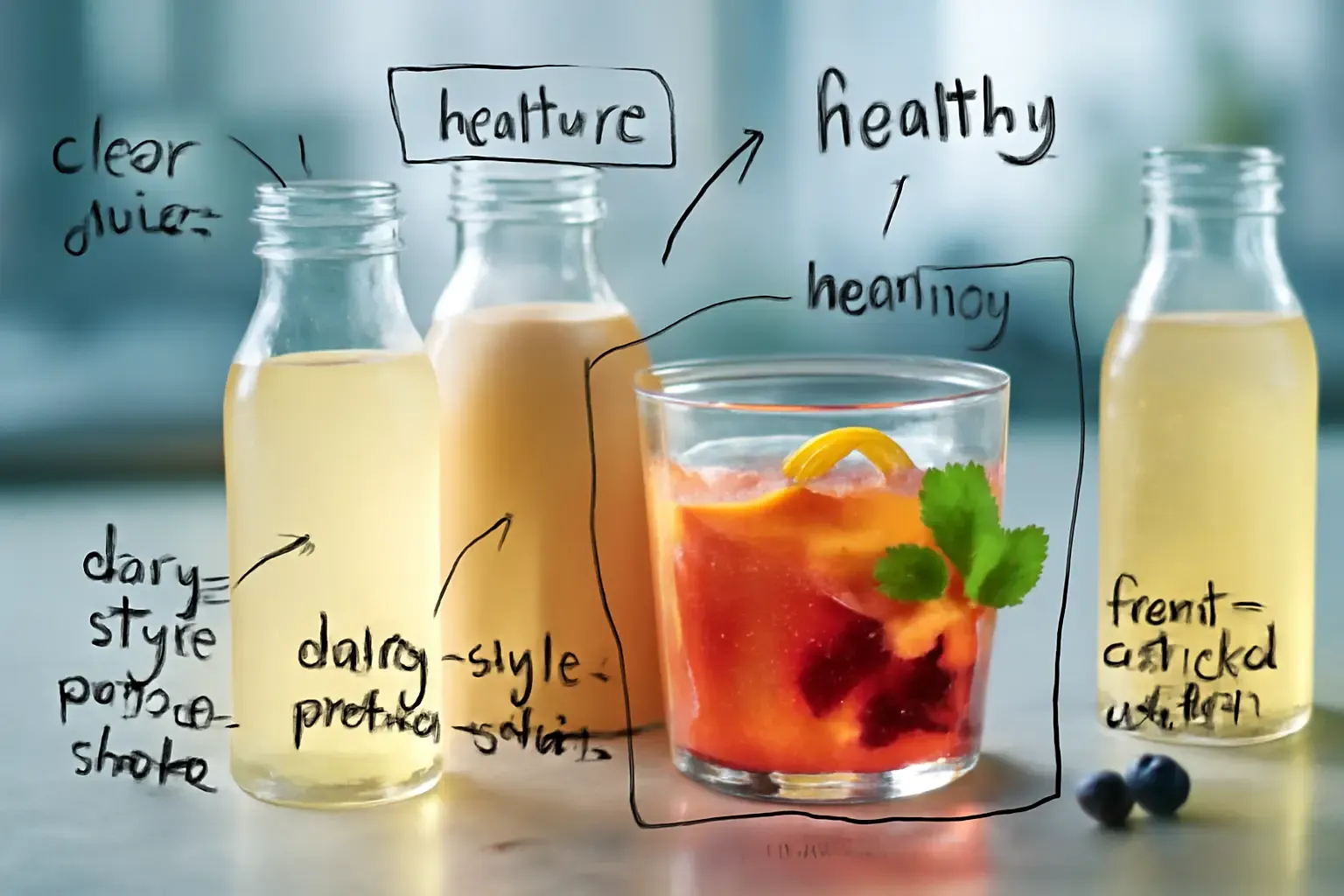
Demand for low-sugar, high-fiber formats continues to rise globally, yet most product development teams prefer to avoid a full reformulation cycle just to achieve a new nutrition panel or a "fiber-added" line extension. In practice, modern procurement briefs frequently pair resistant dextrin , Non-G
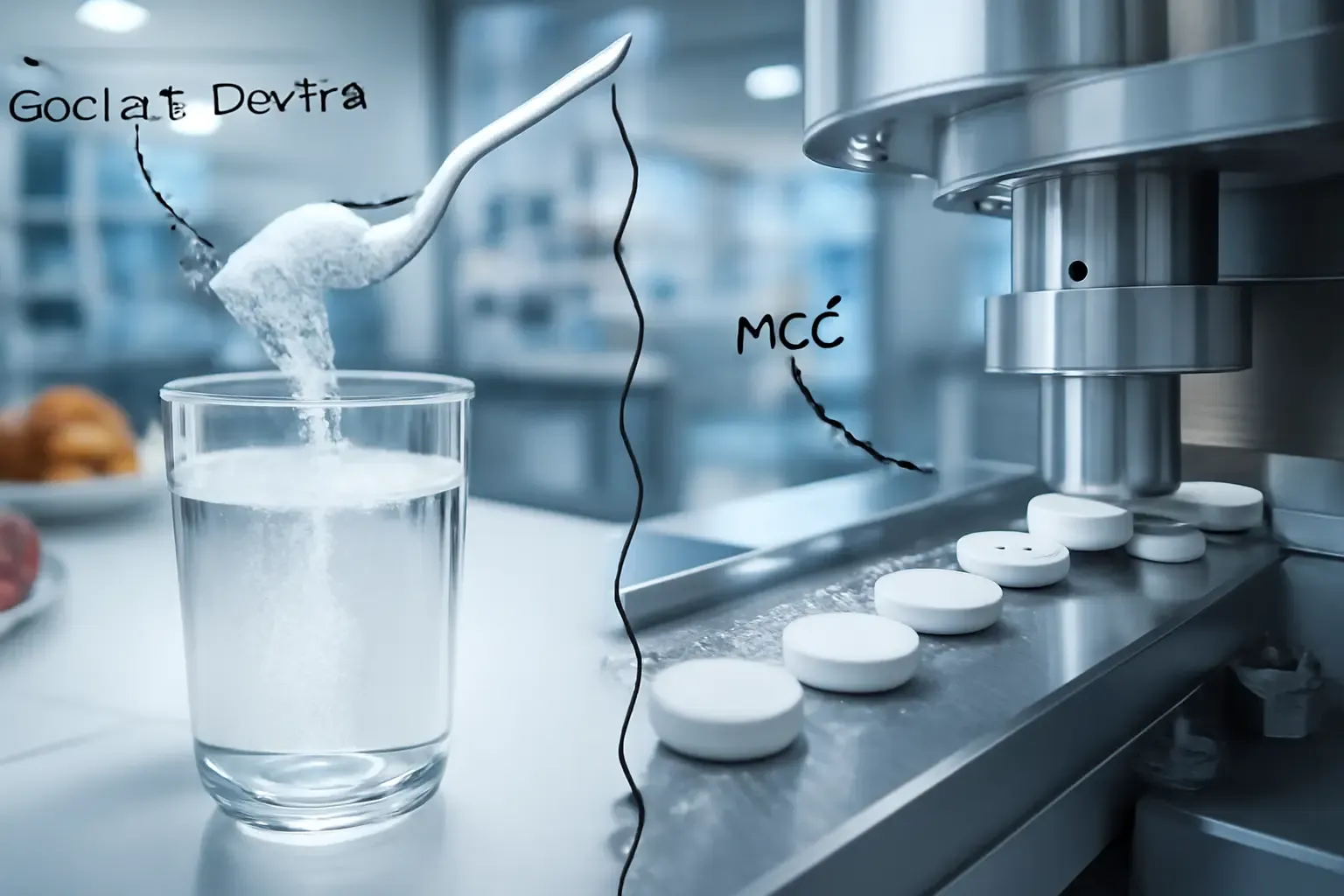
Fiber enrichment is no longer a mere renovation for food and pharmaceutical brands—it is often the cleanest path to lower sugar, better texture, and more resilient product positioning. In practice, two ingredients show up repeatedly in modern procurement briefs: resistant dextrin (also marketed as s
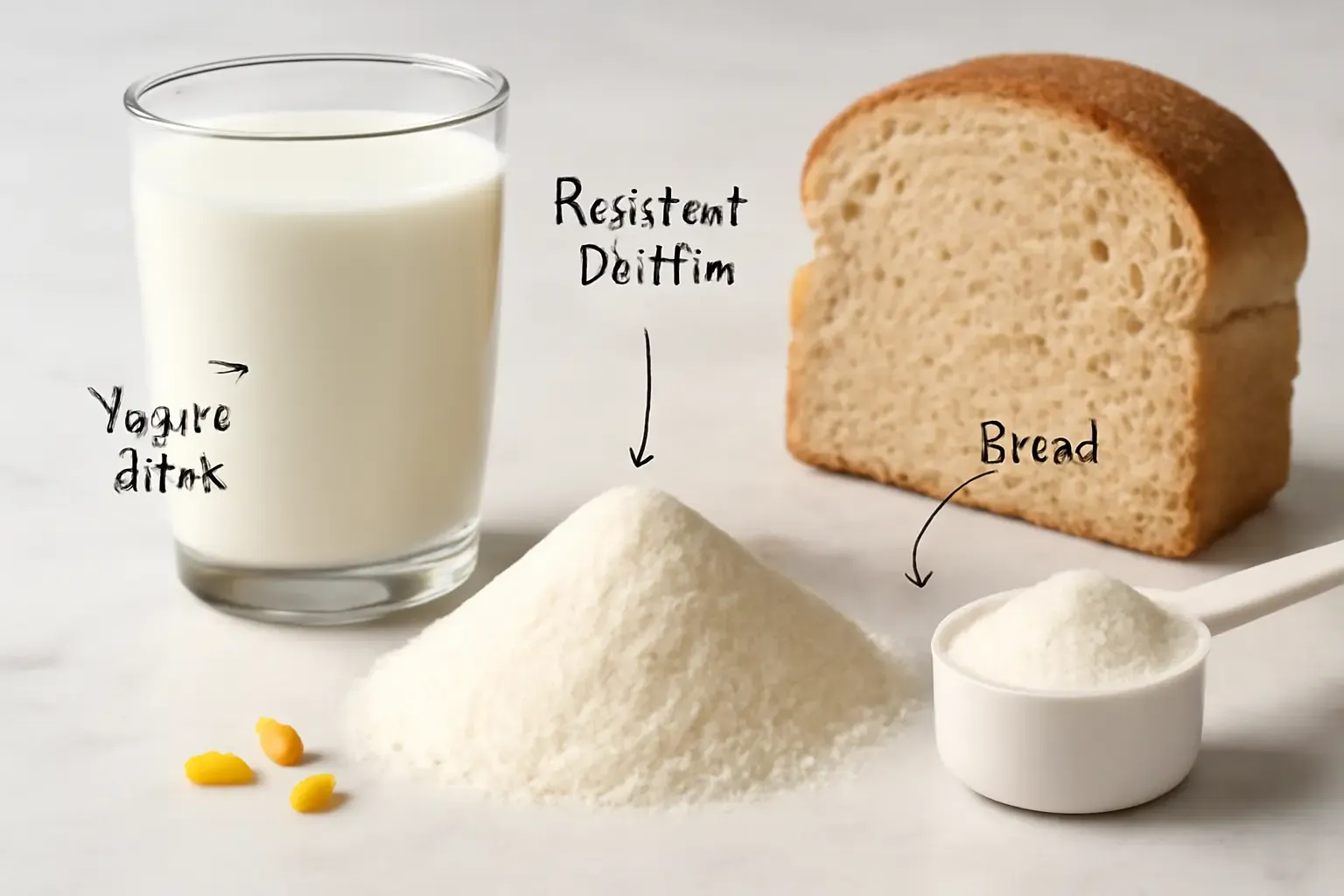
The global shift towards gut-friendly, low-sugar formulations has placed unprecedented pressure on supply chains. Procurement officers are no longer just buying bulk ingredients; they are sourcing functional solutions that must perform flawlessly across diverse food matrices. Procurement teams are s
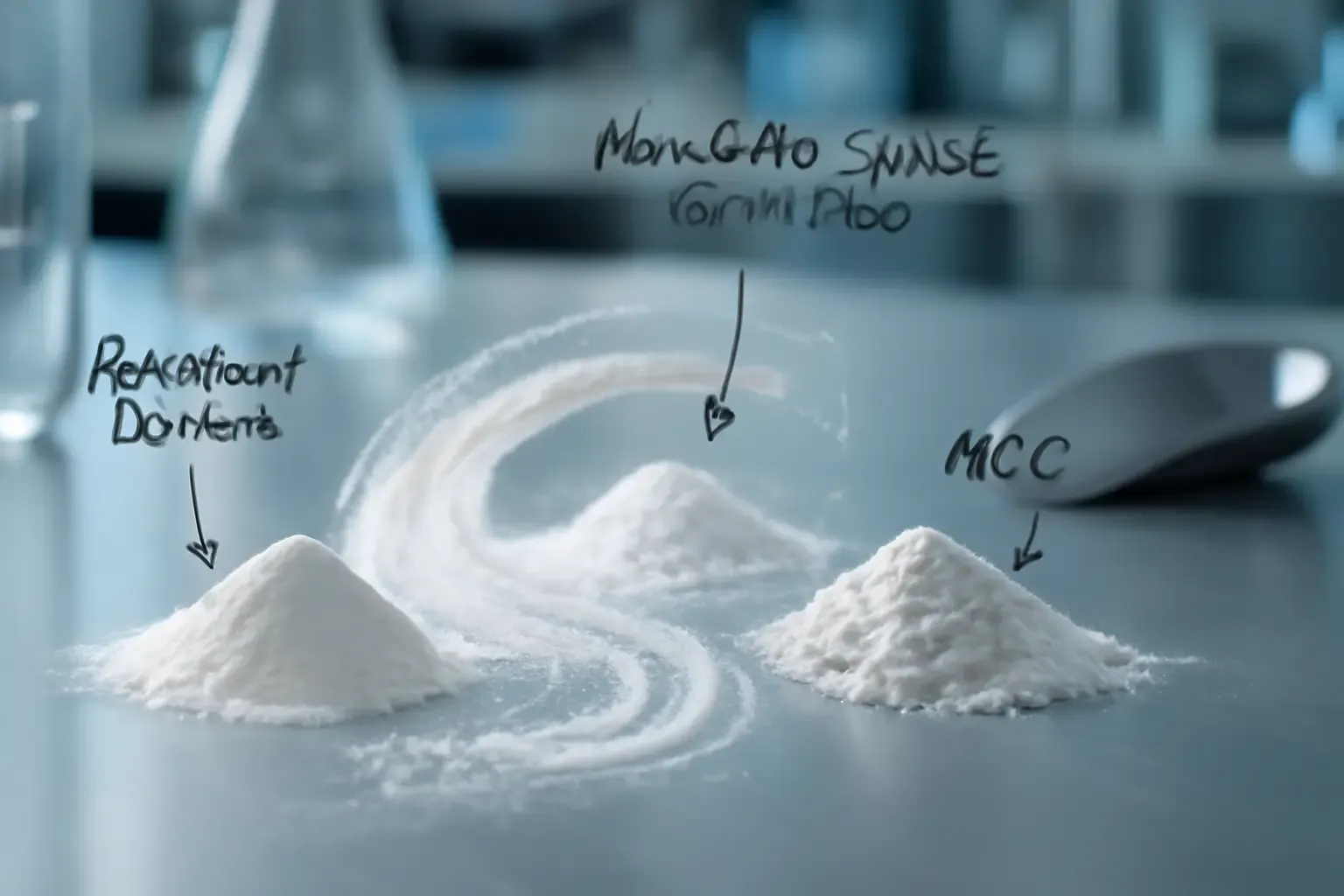
Fibremaxxing has transitioned from a social media buzzword to a rigorous formulation reality. For procurement teams, this shift carries a practical consequence: product launches increasingly succeed—or stall—based on whether the fiber system was sourced and qualified correctly, rather than just the
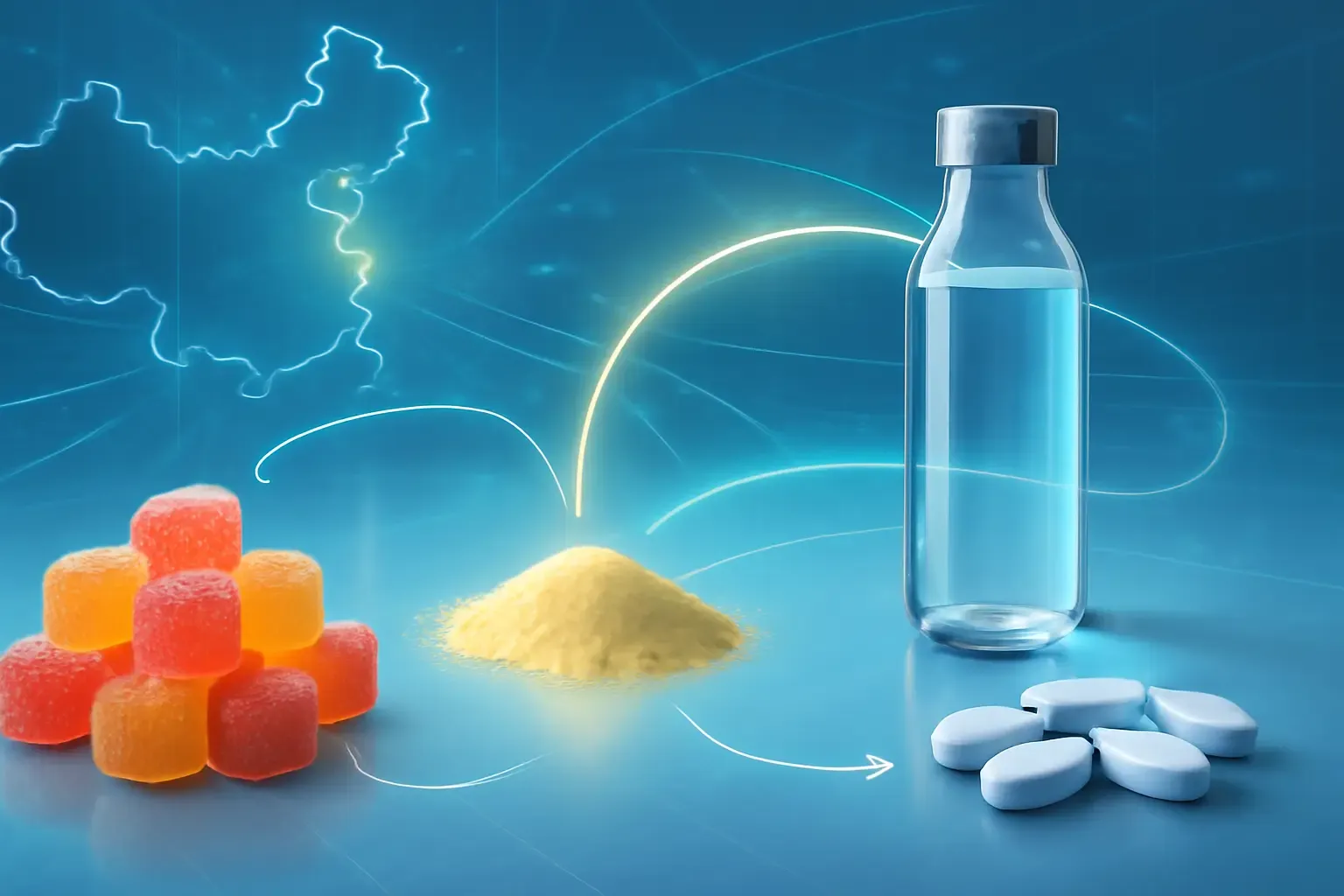
Sugar reduction and fiber enrichment have shifted from optional marketing claims to hard requirements in product briefs globally—especially for confectionery, ready-to-drink (RTD) beverages, and weight-management formats. This market shift is fundamentally changing how procurement teams evaluate wha
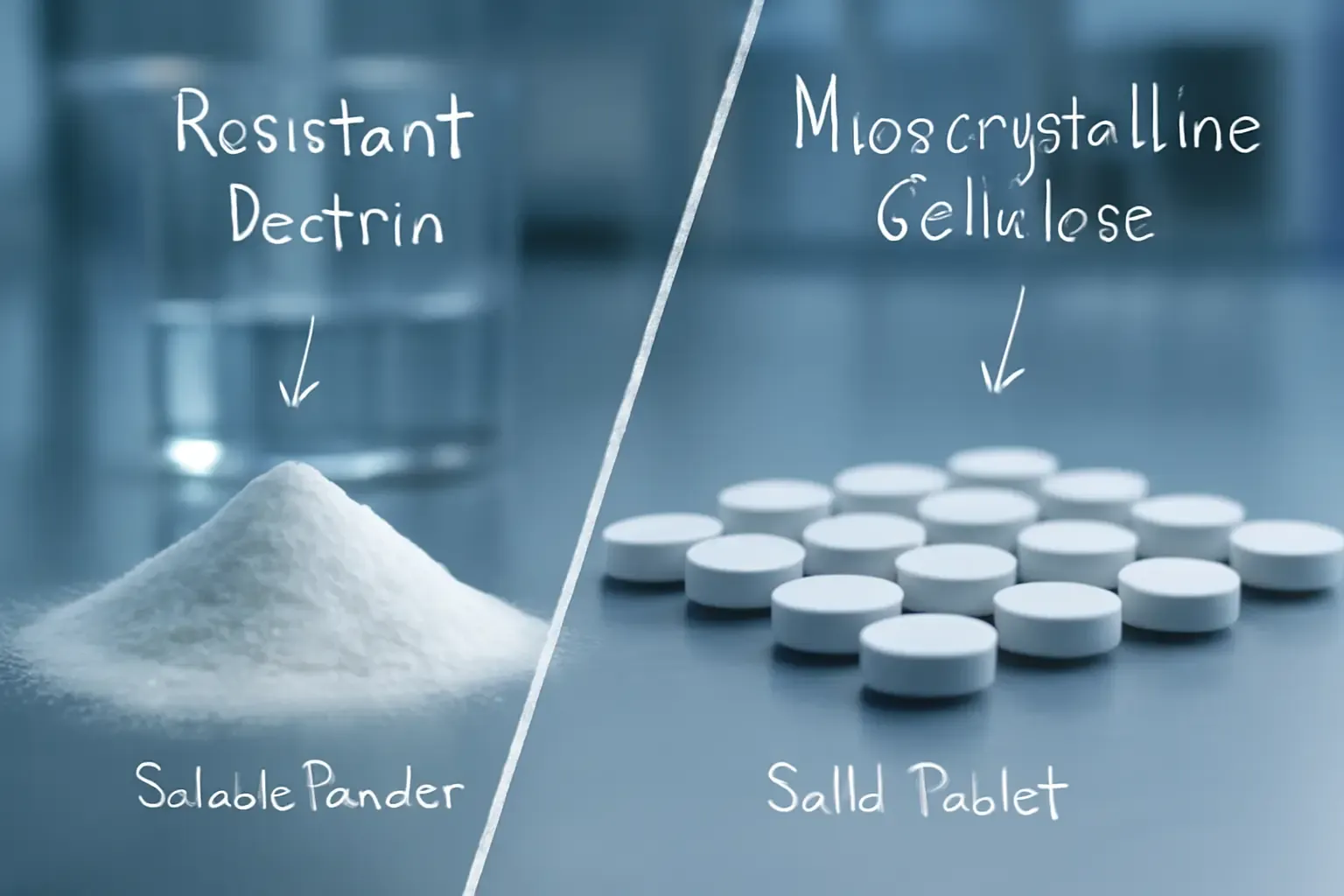
Procurement teams rarely source **resistant dextrin** and **microcrystalline cellulose (MCC)** for the same reason—but in real formulations, they often solve adjacent problems. Resistant dextrin helps brands hit **low-calorie, high-fiber** targets without compromising taste or process stability. MCC
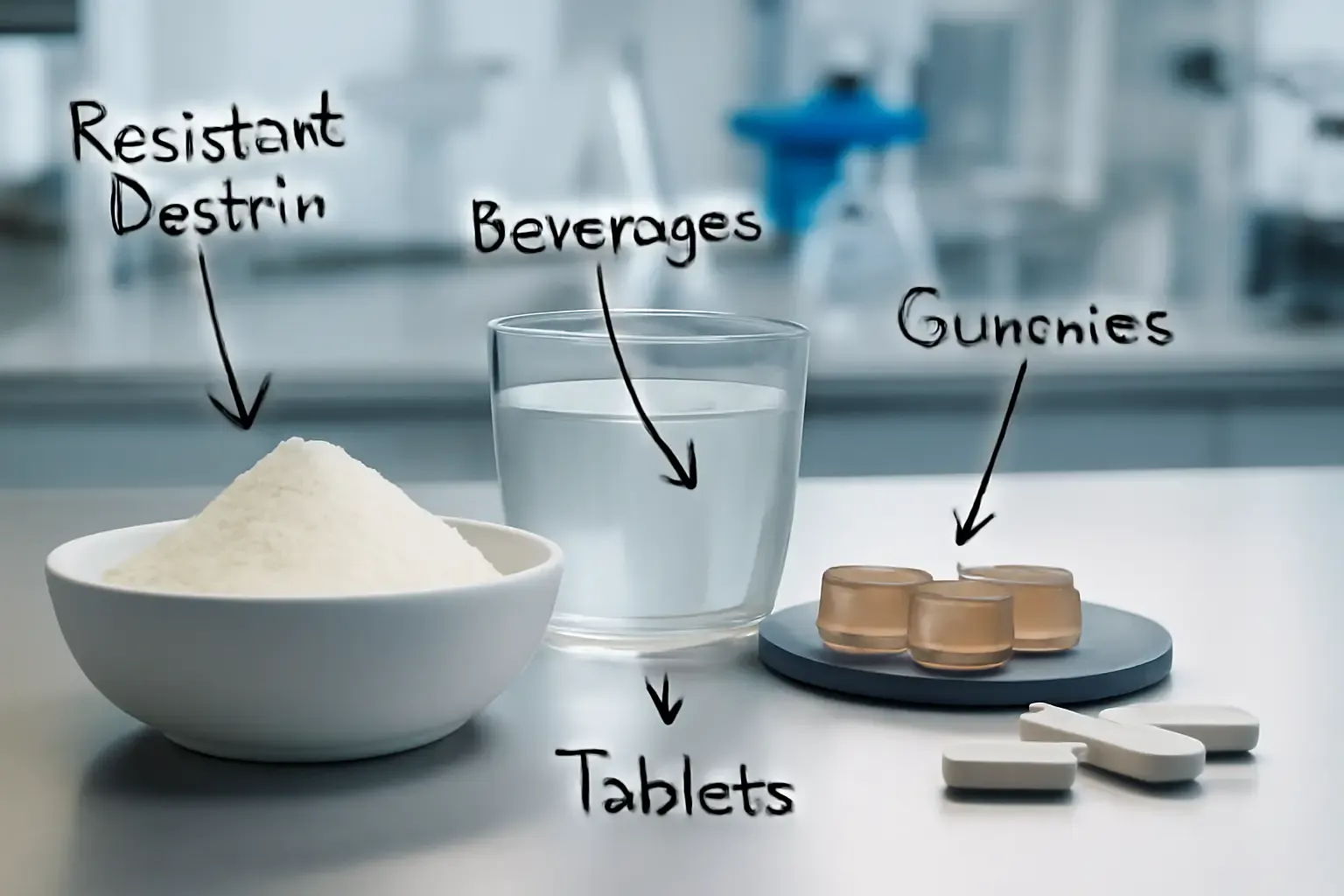
Fiber has shifted from a “nice to have” nutrient into a headline claim—especially among younger consumers who treat gut health like a daily performance metric. For procurement and product teams, the hard part isn’t spotting the trend; it’s converting that demand into export-ready SKUs that keep tast
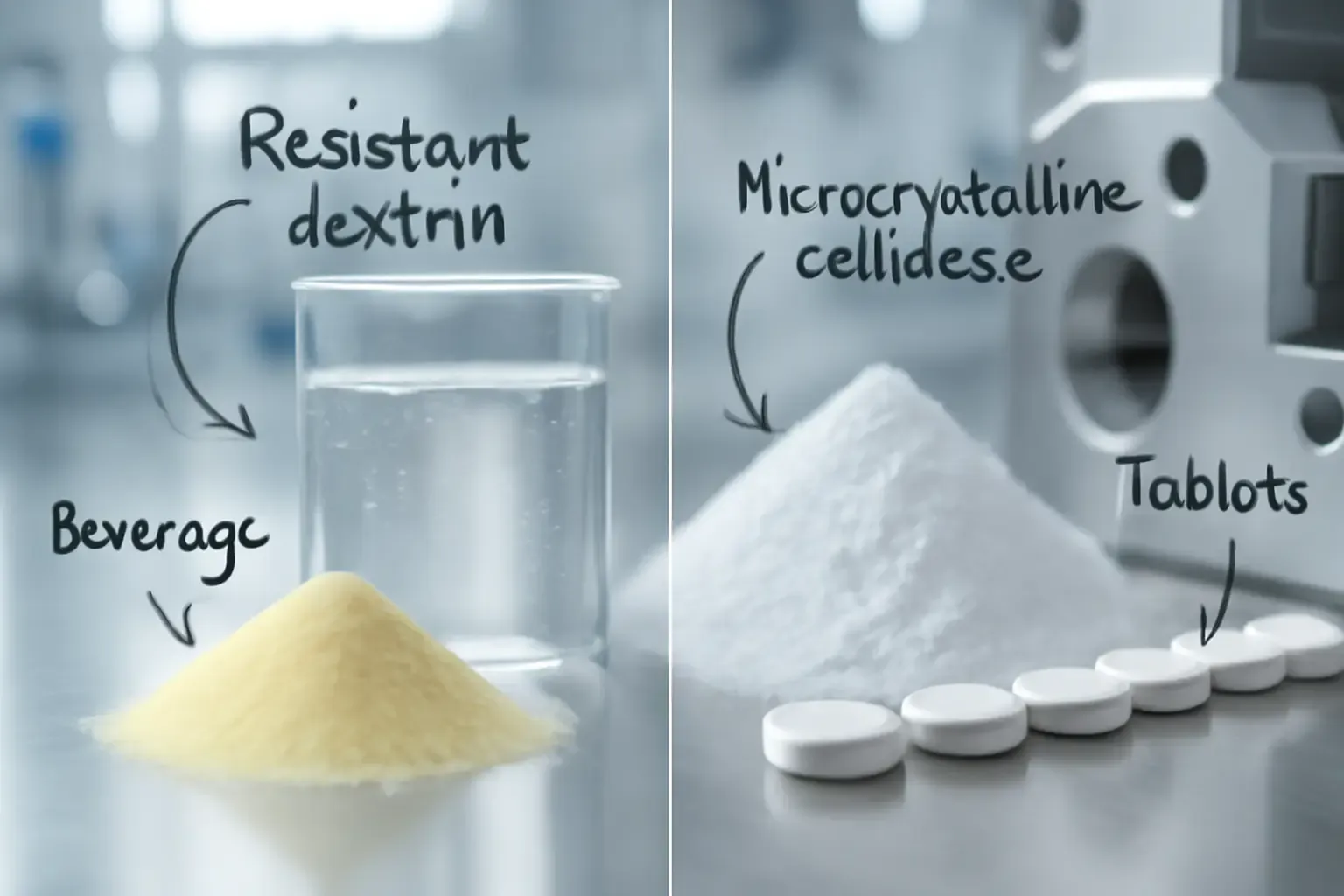
Prebiotic sodas and “fiber-forward” nutrition formats are turning ingredient selection into a functional engineering decision: the fiber must stay clear, taste neutral, and survive heat and acid, while tablet excipients must keep hardness and disintegration predictable at scale. For procurement team
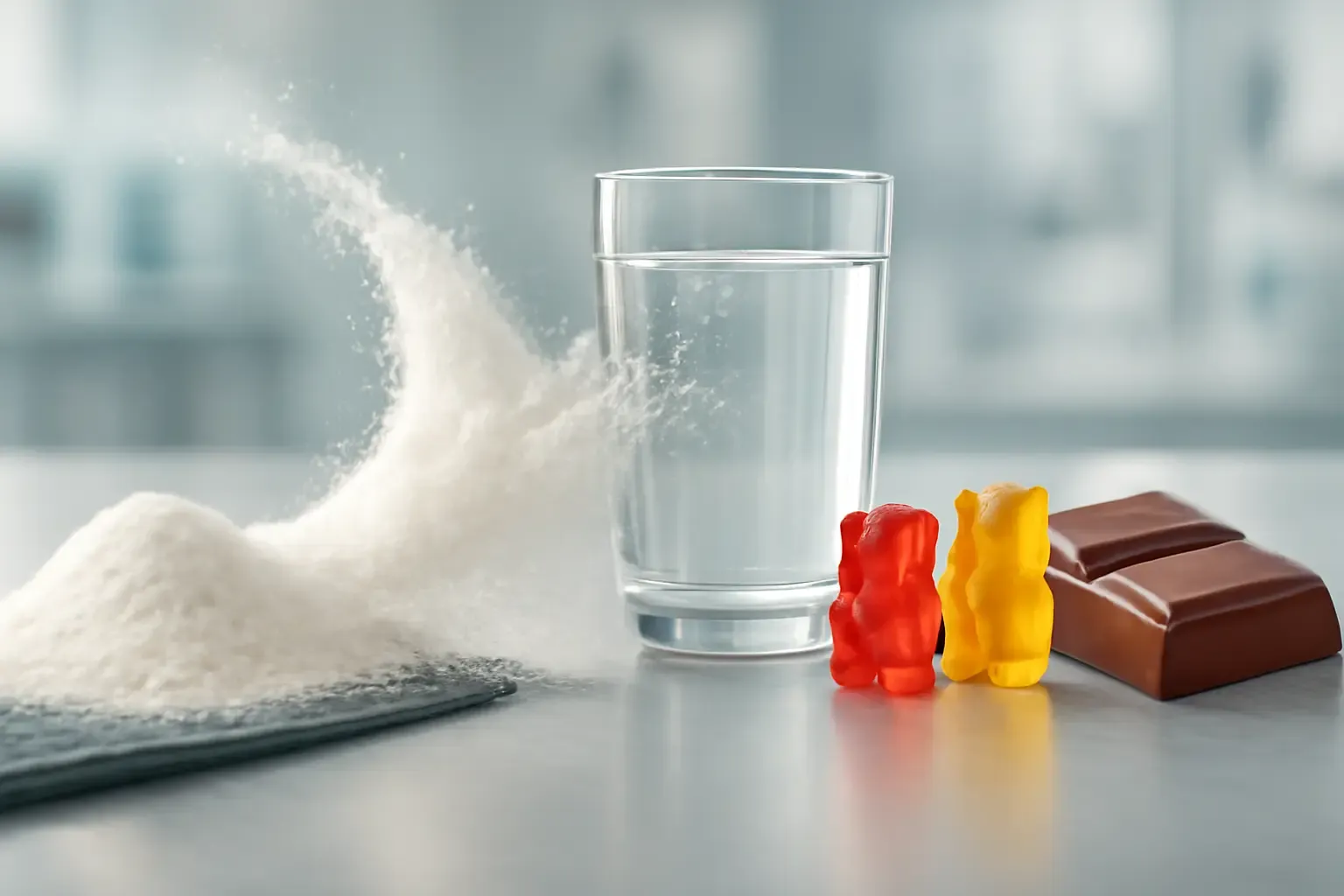
Soluble dietary fiber is no longer a “nice-to-have” add-on. Across beverages, confectionery, and supplement formats, brands are using resistant dextrin to hit fiber targets while keeping calories, glycemic response, and taste in check. For procurement teams, that shift changes the sourcing brief: th
By 2026, "fiber-forward" is no longer a niche positioning—it is a mainstream product brief. Retail and brand teams increasingly expect measurable fiber, lower sugar, and clean sensory performance in beverages, bakery, dairy, and dietary supplements. For procurement teams, this shift creates a practi
The fastest-growing "better-for-you" launches share the same tension: buyers want lower sugar and higher fiber without sacrificing taste, process stability, or throughput. Consequently, resistant dextrin has quietly become a core tool for R&D teams—especially when they need a soluble fiber that can
Low sugar beverages have matured past simply removing sugar and hoping for the best. The brands that secure repeat purchases usually solve three problems simultaneously: calorie reduction , drinkable texture , and a credible fiber story that avoids processing headaches. This explains why resistant d
Demand for low-sugar, high-fiber formats continues to rise globally, yet most product development teams prefer to avoid a full reformulation cycle just to achieve a new nutrition panel or a "fiber-added" line extension. In practice, modern procurement briefs frequently pair resistant dextrin , Non-G
Fiber enrichment is no longer a mere renovation for food and pharmaceutical brands—it is often the cleanest path to lower sugar, better texture, and more resilient product positioning. In practice, two ingredients show up repeatedly in modern procurement briefs: resistant dextrin (also marketed as s
The global shift towards gut-friendly, low-sugar formulations has placed unprecedented pressure on supply chains. Procurement officers are no longer just buying bulk ingredients; they are sourcing functional solutions that must perform flawlessly across diverse food matrices. Procurement teams are s
Fibremaxxing has transitioned from a social media buzzword to a rigorous formulation reality. For procurement teams, this shift carries a practical consequence: product launches increasingly succeed—or stall—based on whether the fiber system was sourced and qualified correctly, rather than just the
Sugar reduction and fiber enrichment have shifted from optional marketing claims to hard requirements in product briefs globally—especially for confectionery, ready-to-drink (RTD) beverages, and weight-management formats. This market shift is fundamentally changing how procurement teams evaluate wha
Procurement teams rarely source **resistant dextrin** and **microcrystalline cellulose (MCC)** for the same reason—but in real formulations, they often solve adjacent problems. Resistant dextrin helps brands hit **low-calorie, high-fiber** targets without compromising taste or process stability. MCC
Fiber has shifted from a “nice to have” nutrient into a headline claim—especially among younger consumers who treat gut health like a daily performance metric. For procurement and product teams, the hard part isn’t spotting the trend; it’s converting that demand into export-ready SKUs that keep tast
Prebiotic sodas and “fiber-forward” nutrition formats are turning ingredient selection into a functional engineering decision: the fiber must stay clear, taste neutral, and survive heat and acid, while tablet excipients must keep hardness and disintegration predictable at scale. For procurement team
Soluble dietary fiber is no longer a “nice-to-have” add-on. Across beverages, confectionery, and supplement formats, brands are using resistant dextrin to hit fiber targets while keeping calories, glycemic response, and taste in check. For procurement teams, that shift changes the sourcing brief: th