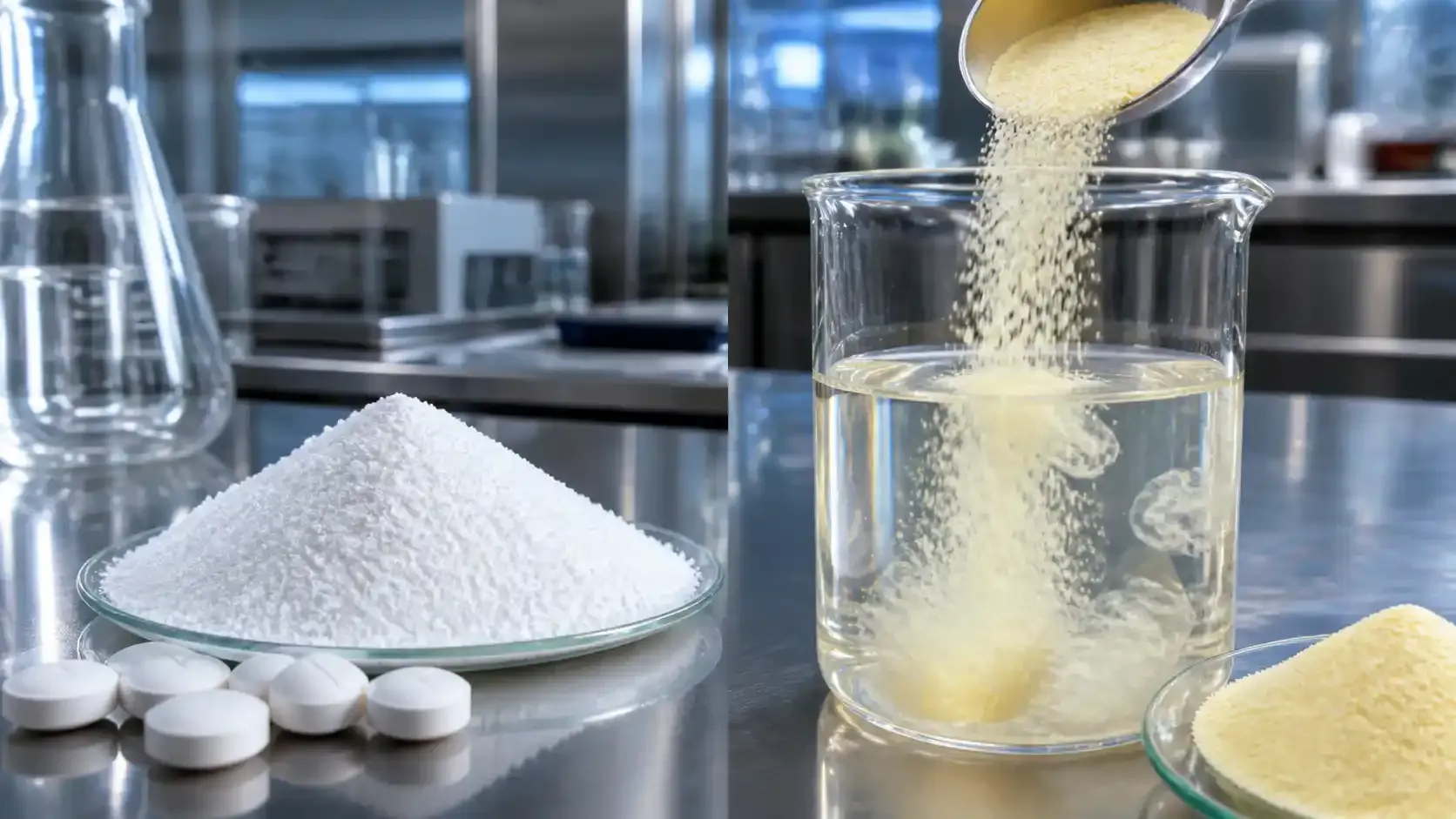
Procurement teams frequently encounter resistant dextrin in formulations for low-calorie, keto, and weight-management products. It is favored for delivering soluble fiber without the heavy texture often associated with traditional fiber sources. As market demand accelerates, so does the volume of qu
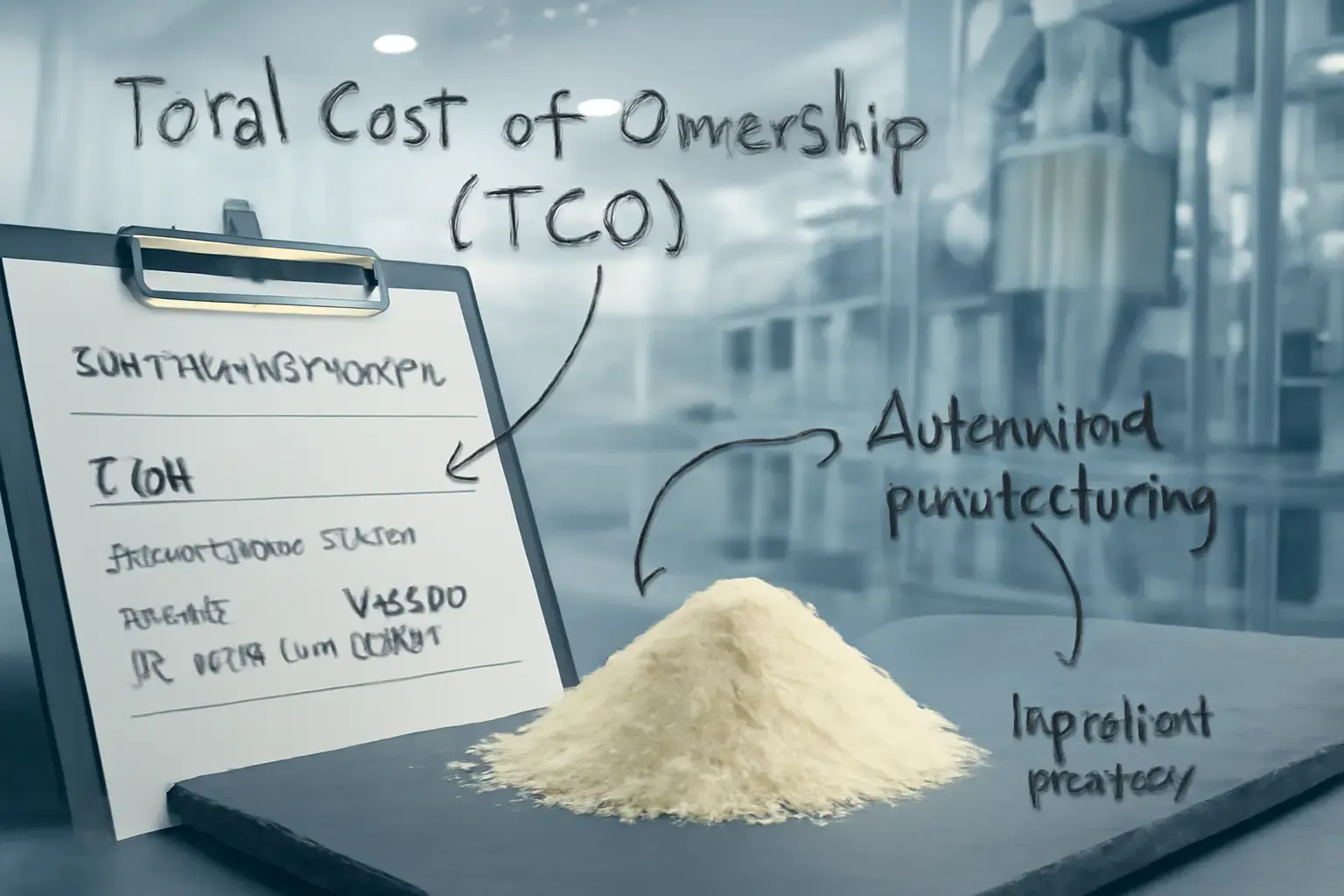
Procurement teams purchasing resistant dextrin and microcrystalline cellulose (MCC) from China frequently encounter a recurring pattern: initial quotes appear highly competitive, yet the real cost reveals itself only later. These hidden expenses often manifest during complex formulation work, incomi
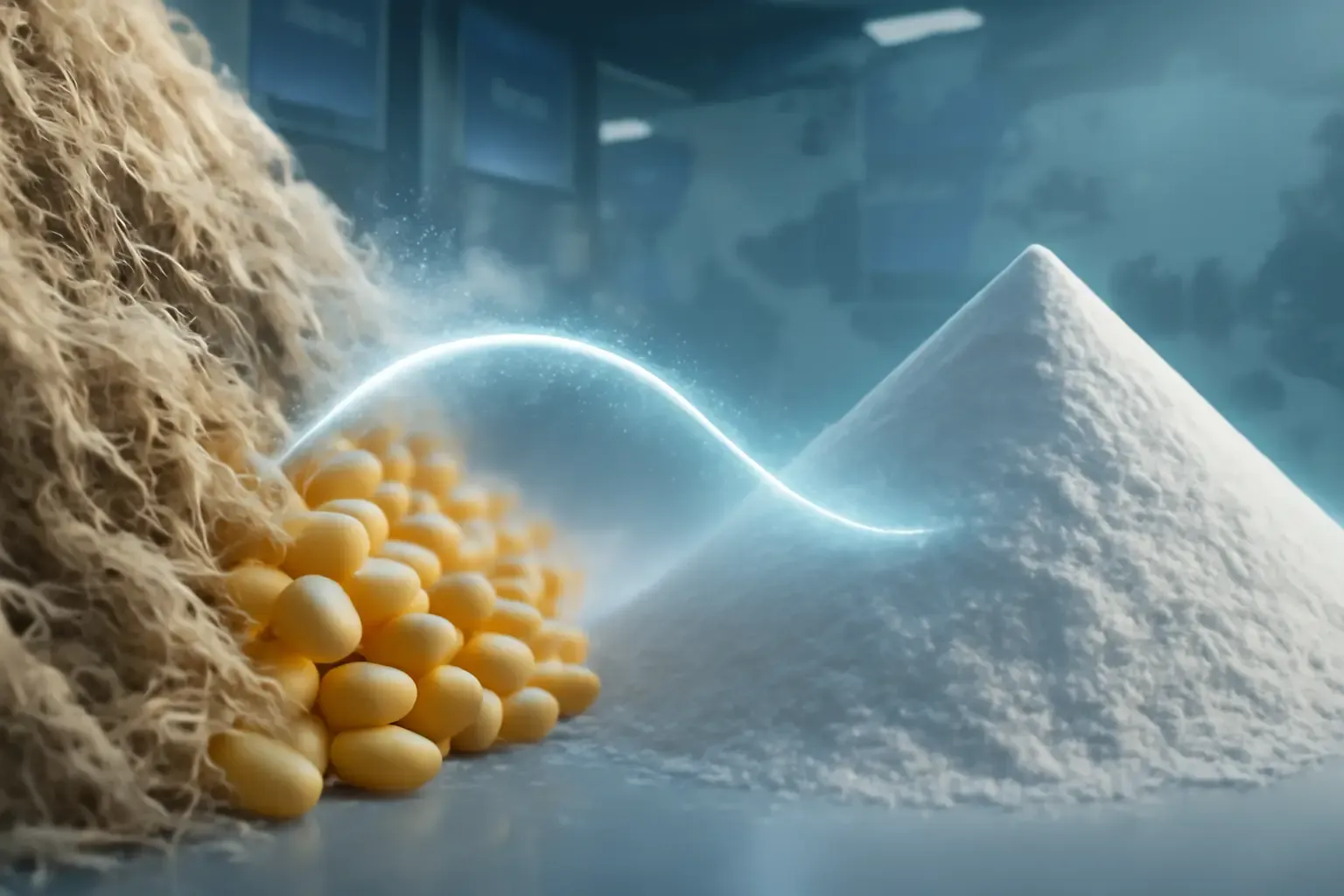
Procurement teams buying microcrystalline cellulose (MCC) and soluble fibers are being pushed into a more “upstream-aware” sourcing model. A single pulp deal can now ripple into MCC pricing, contract flexibility, and even specification stability—especially when your supply base includes a China micr

Procurement teams searching for a reliable Chinese partner for Resistant Dextrin or Microcrystalline Cellulose (MCC) often begin with a familiar shortcut: compare the lowest FOB (Free on Board) quotes, select a supplier, and assume the operational details will resolve themselves. In practice, this a
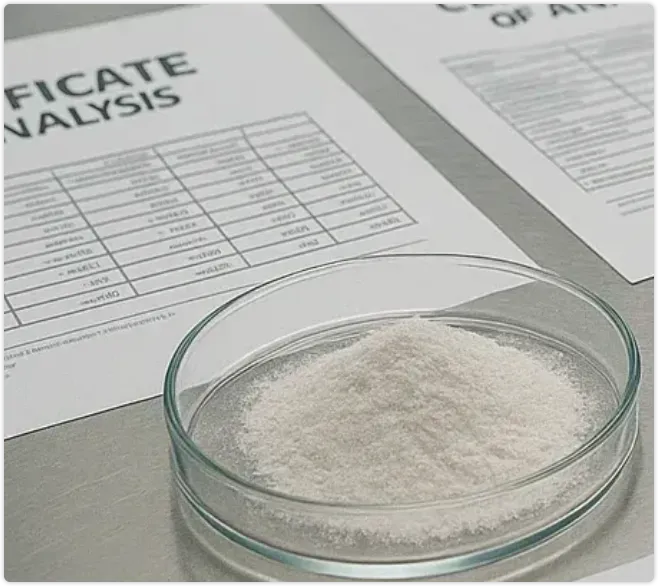
Accessible nutrition is pushing more brands to build “fiber-forward” products that still feel mainstream—protein shakes with better mouthfeel, gummies with cleaner labels, and powders that don’t clump. For procurement teams, that trend changes the math: the cheapest quote is rarely the lowest cost o

FOB pricing for microcrystalline cellulose (MCC) and resistant dextrin can look straightforward—until the first off-spec batch triggers extra testing, reformulation work, or a delayed release. For most buyers, the real challenge is not finding a microcrystalline cellulose supplier China or a resista
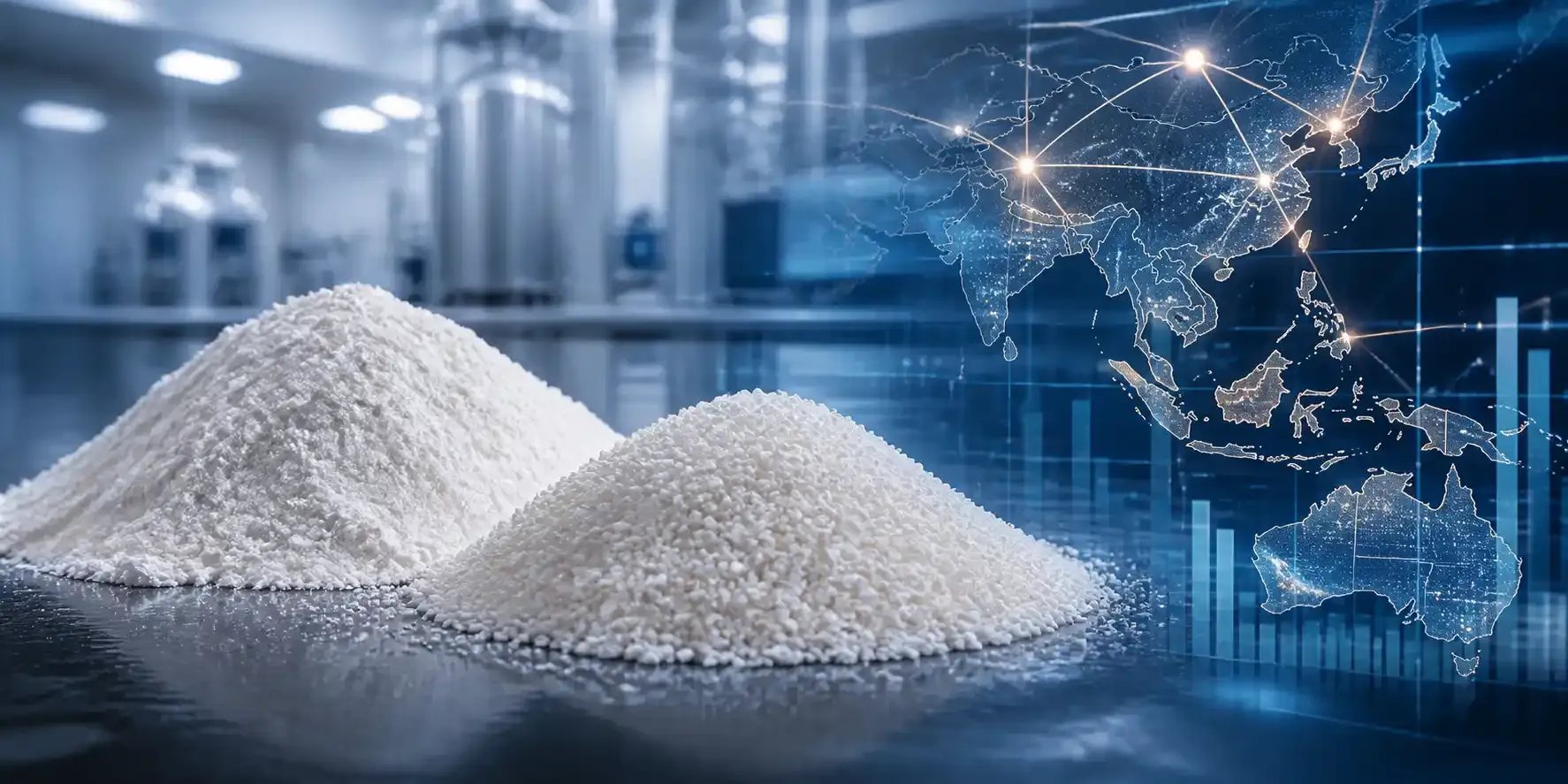
Sourcing microcrystalline cellulose and resistant dextrin from China often starts with a price comparison—but experienced buyers know the real win comes from controlling total cost of ownership (TCO) . Small spec mismatches, missing documents, or unstable logistics can erase an apparently low quote

In today’s fiber-forward product cycle, FOB pricing is no longer the best predictor of what you will actually spend . When demand rises, lead times tighten, and documentation expectations increase, the total cost of ownership (TCO) for fiber ingredients can shift quickly—especially for two ingredien

Global product teams are treating soluble fiber and excipients less like commodities and more like risk-managed building blocks. Two ingredients sit at the center of that shift: resistant dextrin for fiber-forward foods and supplements, and microcrystalline cellulose (MCC) for stable tablets and con

Procurement teams are watching two ingredients move from “nice-to-have” to “budget-critical”: microcrystalline cellulose (MCC) for solid dosage reliability, and resistant dextrin for fiber fortification that doesn’t punish taste or processing. The challenge is not finding offers in China; it’s preve

Procurement teams are seeing a familiar pattern: fiber-enriched foods and gut-health claims are pushing more formulas toward resistant dextrin (soluble dietary fiber) while supplement and pharma projects still rely heavily on microcrystalline cellulose (MCC) for solid-dose performance. The purchasin
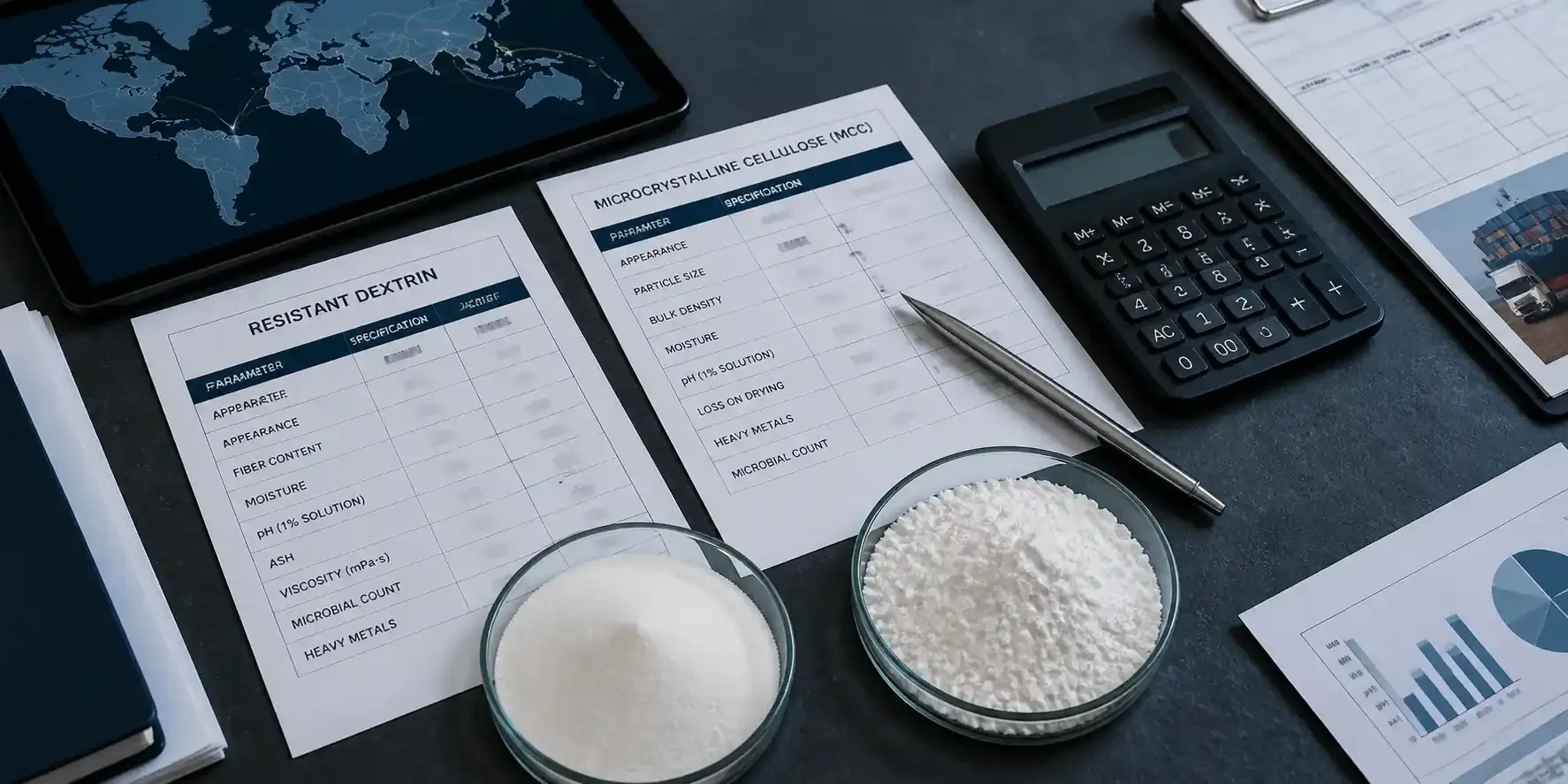
Global demand for soluble dietary fiber and tablet excipients keeps rising, but the procurement reality has not changed: the lowest FOB number rarely equals the lowest total cost . This is especially true when sourcing resistant dextrin (also called resistant maltodextrin or soluble corn fiber) alon
Procurement teams frequently encounter resistant dextrin in formulations for low-calorie, keto, and weight-management products. It is favored for delivering soluble fiber without the heavy texture often associated with traditional fiber sources. As market demand accelerates, so does the volume of qu
Procurement teams purchasing resistant dextrin and microcrystalline cellulose (MCC) from China frequently encounter a recurring pattern: initial quotes appear highly competitive, yet the real cost reveals itself only later. These hidden expenses often manifest during complex formulation work, incomi
Procurement teams buying microcrystalline cellulose (MCC) and soluble fibers are being pushed into a more “upstream-aware” sourcing model. A single pulp deal can now ripple into MCC pricing, contract flexibility, and even specification stability—especially when your supply base includes a China micr
Procurement teams searching for a reliable Chinese partner for Resistant Dextrin or Microcrystalline Cellulose (MCC) often begin with a familiar shortcut: compare the lowest FOB (Free on Board) quotes, select a supplier, and assume the operational details will resolve themselves. In practice, this a
Accessible nutrition is pushing more brands to build “fiber-forward” products that still feel mainstream—protein shakes with better mouthfeel, gummies with cleaner labels, and powders that don’t clump. For procurement teams, that trend changes the math: the cheapest quote is rarely the lowest cost o
FOB pricing for microcrystalline cellulose (MCC) and resistant dextrin can look straightforward—until the first off-spec batch triggers extra testing, reformulation work, or a delayed release. For most buyers, the real challenge is not finding a microcrystalline cellulose supplier China or a resista
Sourcing microcrystalline cellulose and resistant dextrin from China often starts with a price comparison—but experienced buyers know the real win comes from controlling total cost of ownership (TCO) . Small spec mismatches, missing documents, or unstable logistics can erase an apparently low quote
In today’s fiber-forward product cycle, FOB pricing is no longer the best predictor of what you will actually spend . When demand rises, lead times tighten, and documentation expectations increase, the total cost of ownership (TCO) for fiber ingredients can shift quickly—especially for two ingredien
Global product teams are treating soluble fiber and excipients less like commodities and more like risk-managed building blocks. Two ingredients sit at the center of that shift: resistant dextrin for fiber-forward foods and supplements, and microcrystalline cellulose (MCC) for stable tablets and con
Procurement teams are watching two ingredients move from “nice-to-have” to “budget-critical”: microcrystalline cellulose (MCC) for solid dosage reliability, and resistant dextrin for fiber fortification that doesn’t punish taste or processing. The challenge is not finding offers in China; it’s preve
Procurement teams are seeing a familiar pattern: fiber-enriched foods and gut-health claims are pushing more formulas toward resistant dextrin (soluble dietary fiber) while supplement and pharma projects still rely heavily on microcrystalline cellulose (MCC) for solid-dose performance. The purchasin
Global demand for soluble dietary fiber and tablet excipients keeps rising, but the procurement reality has not changed: the lowest FOB number rarely equals the lowest total cost . This is especially true when sourcing resistant dextrin (also called resistant maltodextrin or soluble corn fiber) alon