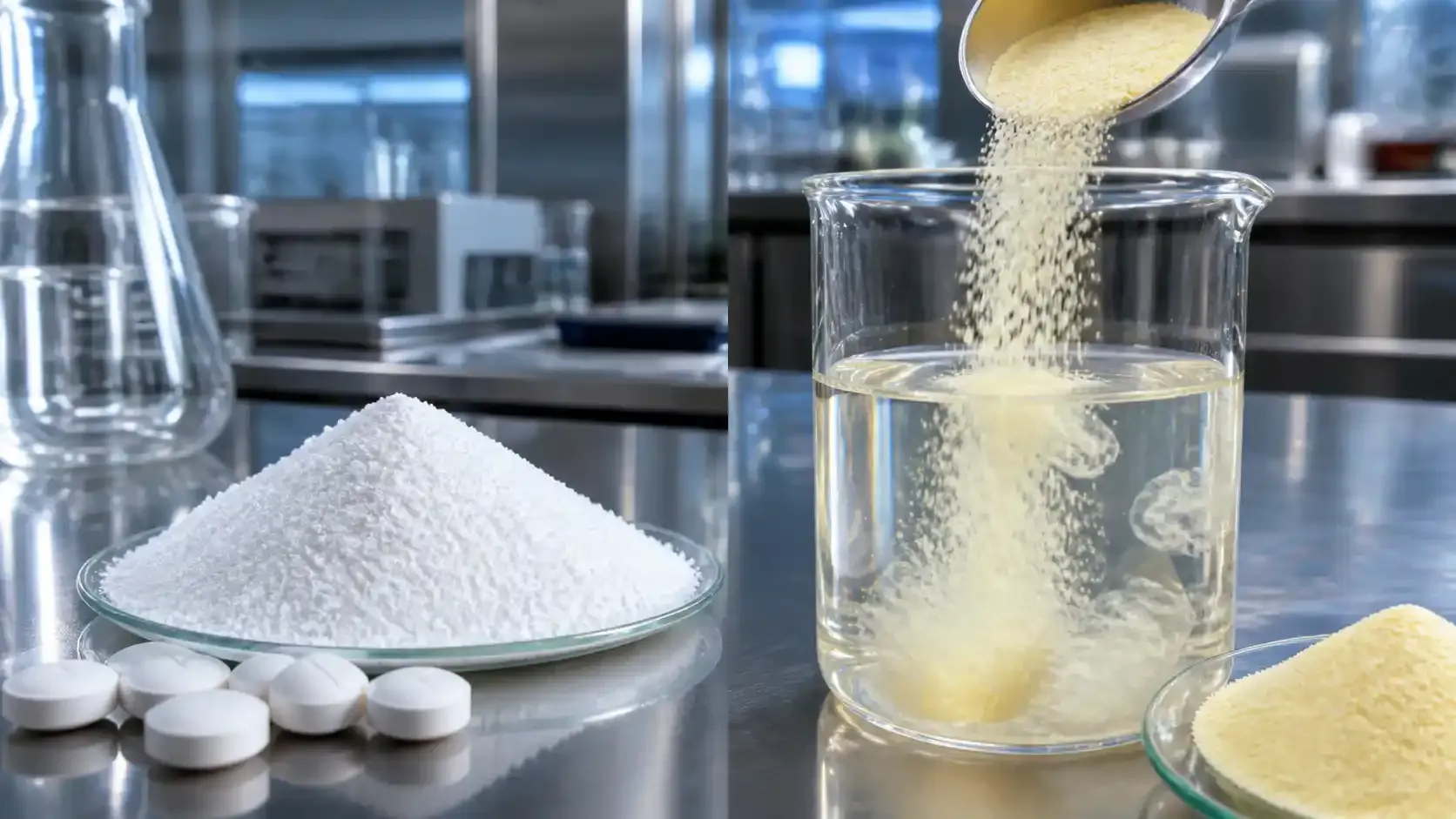
Procurement teams buying resistant dextrin and microcrystalline cellulose (MCC) from China are often asked to “compare quotes,” but the real job is to compare outcomes: fiber delivered per dollar, tablet performance per kilogram, and the risk of reformulation or delays. That’s why the most dependabl

Procurement teams buying functional fibers and tablet excipients from China often “win” on FOB price—then lose margin after freight, testing, yield loss, or reformulation. The fastest way to stop that cycle is to price resistant dextrin and microcrystalline cellulose (MCC) the same way finance does:

Fiber fortification and sugar reduction are no longer “nice-to-have” features. They are now core commercial requirements in beverages, snacks, nutrition powders, and even hybrid food-supplement launches. That shift changes how procurement teams should treat two ingredients that keep showing up on re

Global demand for microcrystalline cellulose (MCC) is moving from a stable excipient staple to a strategic sourcing item, and procurement teams are reacting accordingly. Market forecasts point to a global MCC market that could surpass USD 2.5 billion by 2035, with growth heavily led by tablets, caps

Sourcing fiber ingredients like resistant dextrin and microcrystalline cellulose (MCC) has evolved far beyond simple commodity purchasing. A supplier might quote an attractive FOB price, yet still create expensive hidden costs when Certificates of Analysis (COAs), process stability, or documentation
Buyers seldom lose margin simply because they picked a slightly higher FOB price. Budget leaks usually happen because a quote seemed comparable on paper, but the actual specifications, processing behavior, and claim backing fell critically short on the production floor. This pattern frequently emerg

Global demand for fiber-like carbohydrates is moving from a mere "nice-to-have" to an absolute core formulation requirement. Procurement teams are experiencing this shift firsthand through tighter availability, longer qualification cycles, and intense scrutiny on documentation. As ingredients like r

Procurement teams sourcing resistant dextrin and MCC from China in 2026 need a landed-cost view that links specs, automation, and batch consistency to true risk and margin. Fiber and protein are rapidly becoming non-negotiable baselines in 2026 product pipelines, a shift that is quietly but fundamen
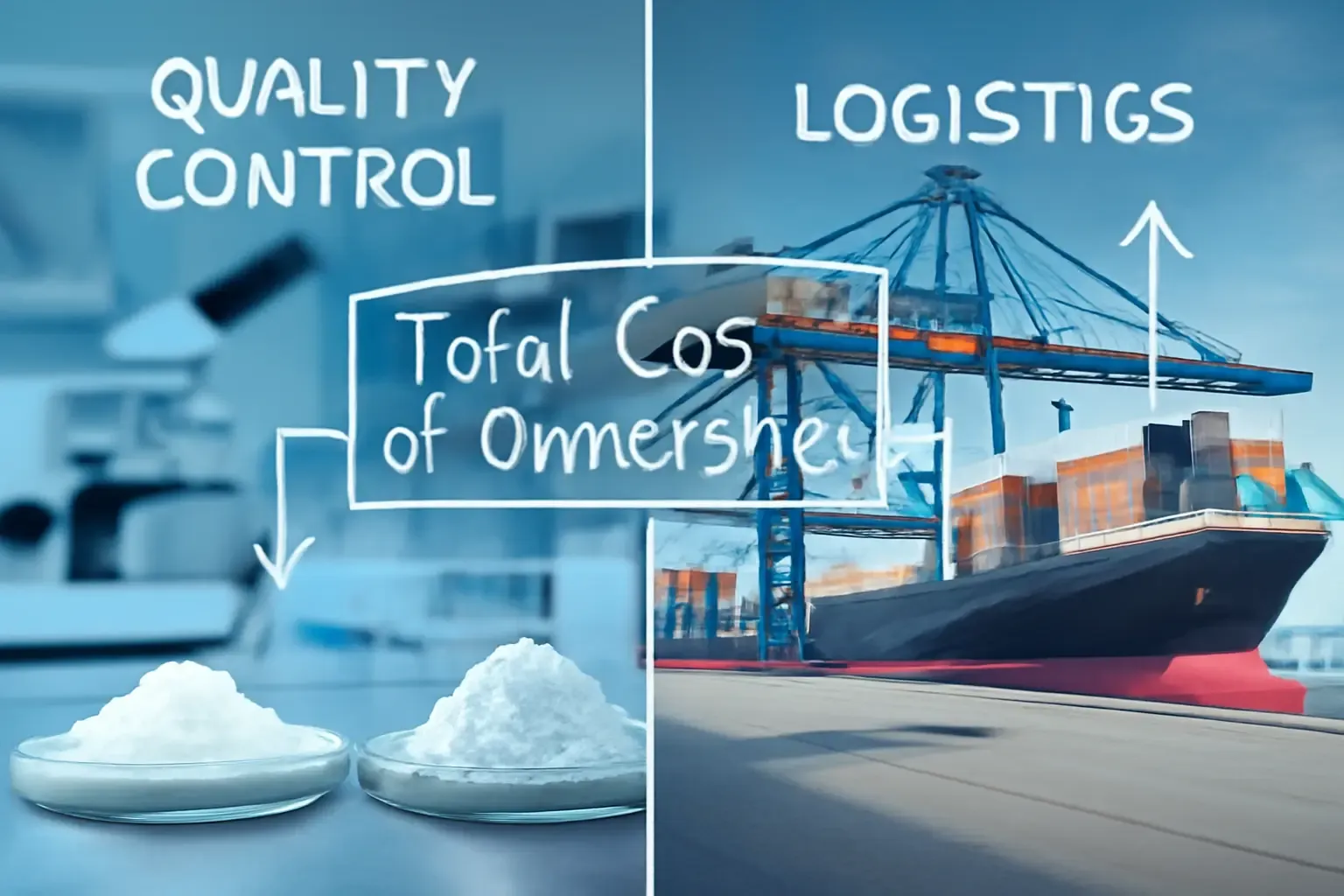
By 2026, "accessible nutrition" has evolved from a marketing buzzword into a structural reality shaping how procurement teams write specifications and how finance teams evaluate landed cost. The surge in consumer demand for digestive health and fiber-forward claims is driving unprecedented orders fo

Buyer-focused tactics to reduce total cost when sourcing MCC and resistant dextrin from China through spec discipline, COA checks, and smarter terms. Purchasing teams looking for a microcrystalline cellulose supplier China or a resistant dextrin supplier China often start with a simple comparison of
A buyer-focused playbook to control total landed cost when sourcing MCC and resistant dextrin from China, using clear specs, audits, and quote normalization. China remains a preferred sourcing hub for two very different—but often co-purchased—ingredients: microcrystalline cellulose (MCC) and resista
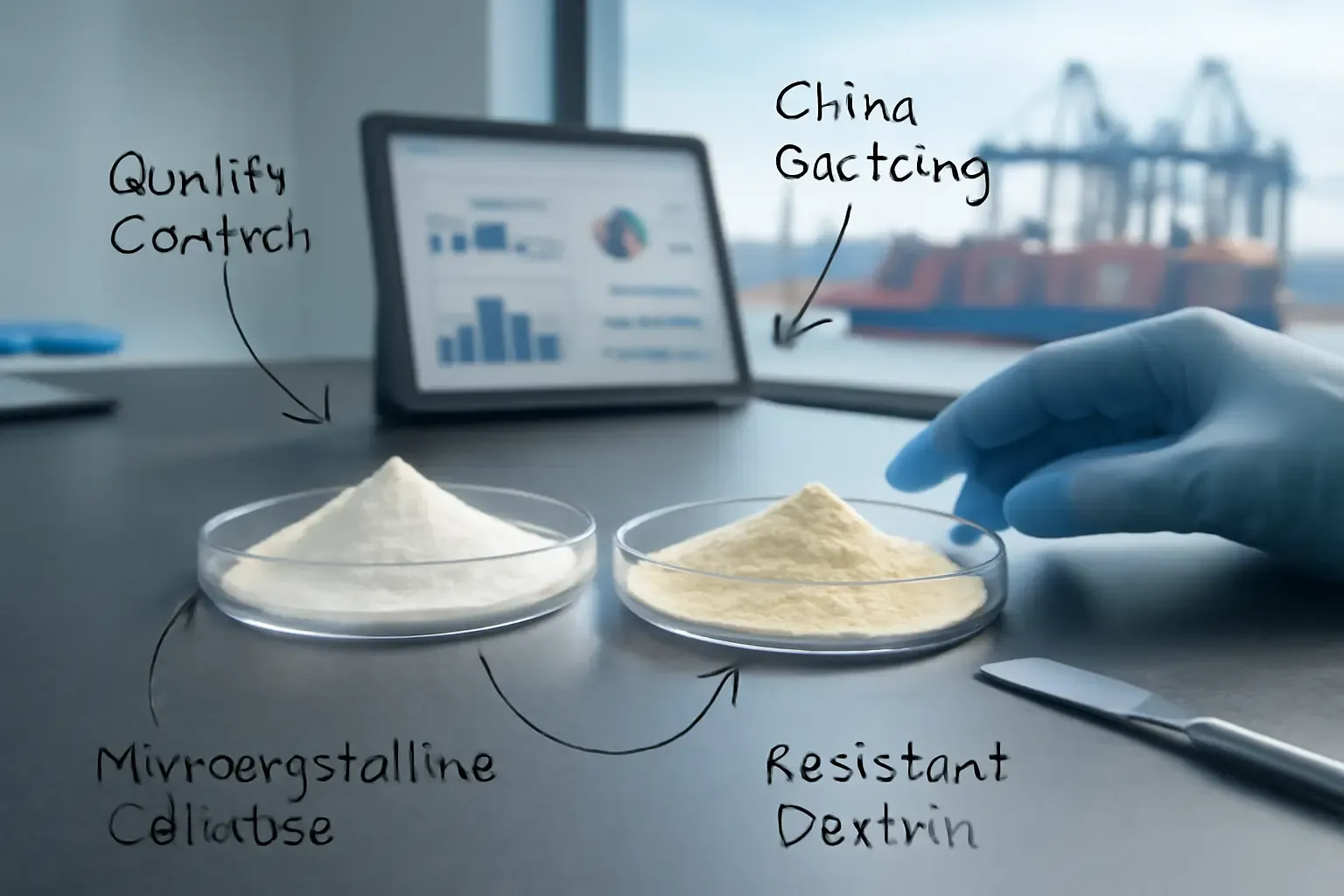
Procurement teams often find that the lowest quote from a microcrystalline cellulose supplier China or a resistant dextrin supplier China is rarely the lowest landed cost. The real budget swing usually comes from specification clarity, compliance testing, factory consistency, packaging integrity, an
Procurement teams buying resistant dextrin and microcrystalline cellulose (MCC) from China are often asked to “compare quotes,” but the real job is to compare outcomes: fiber delivered per dollar, tablet performance per kilogram, and the risk of reformulation or delays. That’s why the most dependabl
Procurement teams buying functional fibers and tablet excipients from China often “win” on FOB price—then lose margin after freight, testing, yield loss, or reformulation. The fastest way to stop that cycle is to price resistant dextrin and microcrystalline cellulose (MCC) the same way finance does:
Fiber fortification and sugar reduction are no longer “nice-to-have” features. They are now core commercial requirements in beverages, snacks, nutrition powders, and even hybrid food-supplement launches. That shift changes how procurement teams should treat two ingredients that keep showing up on re
Global demand for microcrystalline cellulose (MCC) is moving from a stable excipient staple to a strategic sourcing item, and procurement teams are reacting accordingly. Market forecasts point to a global MCC market that could surpass USD 2.5 billion by 2035, with growth heavily led by tablets, caps
Sourcing fiber ingredients like resistant dextrin and microcrystalline cellulose (MCC) has evolved far beyond simple commodity purchasing. A supplier might quote an attractive FOB price, yet still create expensive hidden costs when Certificates of Analysis (COAs), process stability, or documentation
Buyers seldom lose margin simply because they picked a slightly higher FOB price. Budget leaks usually happen because a quote seemed comparable on paper, but the actual specifications, processing behavior, and claim backing fell critically short on the production floor. This pattern frequently emerg
Global demand for fiber-like carbohydrates is moving from a mere "nice-to-have" to an absolute core formulation requirement. Procurement teams are experiencing this shift firsthand through tighter availability, longer qualification cycles, and intense scrutiny on documentation. As ingredients like r
Procurement teams sourcing resistant dextrin and MCC from China in 2026 need a landed-cost view that links specs, automation, and batch consistency to true risk and margin. Fiber and protein are rapidly becoming non-negotiable baselines in 2026 product pipelines, a shift that is quietly but fundamen
By 2026, "accessible nutrition" has evolved from a marketing buzzword into a structural reality shaping how procurement teams write specifications and how finance teams evaluate landed cost. The surge in consumer demand for digestive health and fiber-forward claims is driving unprecedented orders fo
Buyer-focused tactics to reduce total cost when sourcing MCC and resistant dextrin from China through spec discipline, COA checks, and smarter terms. Purchasing teams looking for a microcrystalline cellulose supplier China or a resistant dextrin supplier China often start with a simple comparison of
A buyer-focused playbook to control total landed cost when sourcing MCC and resistant dextrin from China, using clear specs, audits, and quote normalization. China remains a preferred sourcing hub for two very different—but often co-purchased—ingredients: microcrystalline cellulose (MCC) and resista
Procurement teams often find that the lowest quote from a microcrystalline cellulose supplier China or a resistant dextrin supplier China is rarely the lowest landed cost. The real budget swing usually comes from specification clarity, compliance testing, factory consistency, packaging integrity, an