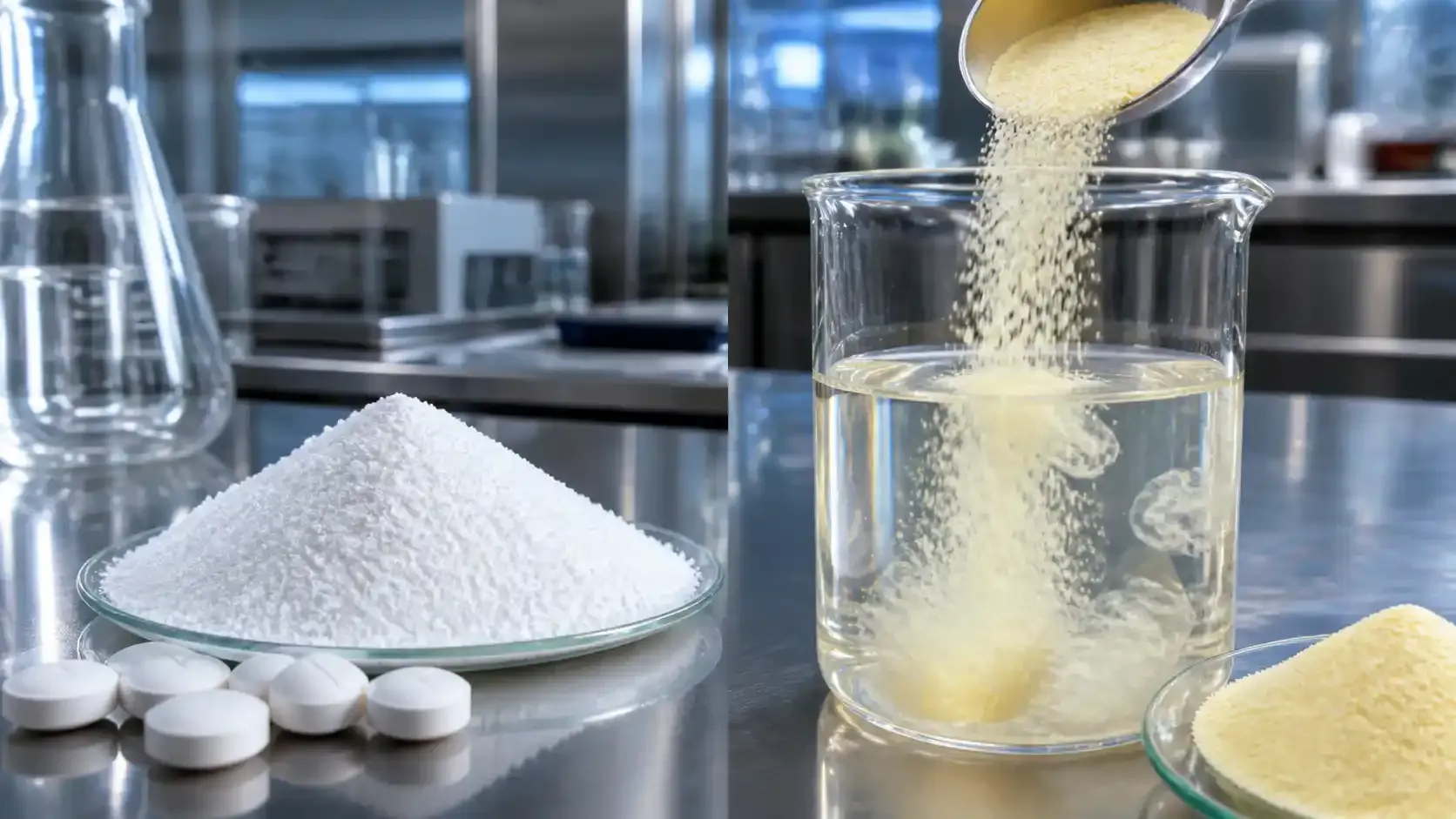
Resistant dextrin has become a practical workhorse for sugar reduction and fiber enrichment—especially in beverages, baked goods, and nutrition formats that need neutral taste and process stability . But as demand rises, procurement teams are finding that “fiber” is not a sufficient buying descripti

Procurement teams looking for a recommended Chinese microcrystalline cellulose manufacturer or a recommended Chinese resistant dextrin manufacturer are facing a new reality: in 2026, documentation quality is increasingly treated as product quality. The fastest-growing opportunities—protein-plus-fibe

A procurement team planning a U.S. launch for a low-sugar beverage powder or a gut-health supplement usually starts with the obvious levers— fiber content , taste, lead time, and the resistant dextrin bulk price. Then the compliance review begins, and the order of priorities flips. In 2026, the quie
In 2026, gut health positioning is still driving launches, but the bigger shift for procurement teams is that “healthy” is no longer just a brand idea—it increasingly behaves like a specification and documentation problem . For many teams, that pushes resistant dextrin (often labeled as soluble corn
Procurement teams used to treat resistant dextrin and microcrystalline cellulose (MCC) as straightforward inputs: confirm price, confirm lead time, place the order. That approach is fading fast. Today, the same ingredients sit inside products that face tighter labeling scrutiny (dietary fiber claims

Currently, global procurement teams are increasingly treating dietary fiber and pharmaceutical excipients as interconnected procurement categories. That shift is highly visible in purchase orders for resistant dextrin , soluble corn fiber , and microcrystalline cellulose (MCC) —three critical ingred

FDA’s acknowledgement of GRAS for corn-derived resistant dextrin serves as a practical turning point for global buyers. It doesn’t eliminate a procurement team’s due diligence, yet it significantly minimizes uncertainty regarding safety assumptions and common food uses. This shift helps teams progre

Global buyers are treating dietary fiber and pharmaceutical excipients less like simple commodities and more like compliance-critical materials. That shift is especially visible when shortlisting a resistant dextrin supplier in China that can export reliably, or when a microcrystalline cellulose (MC
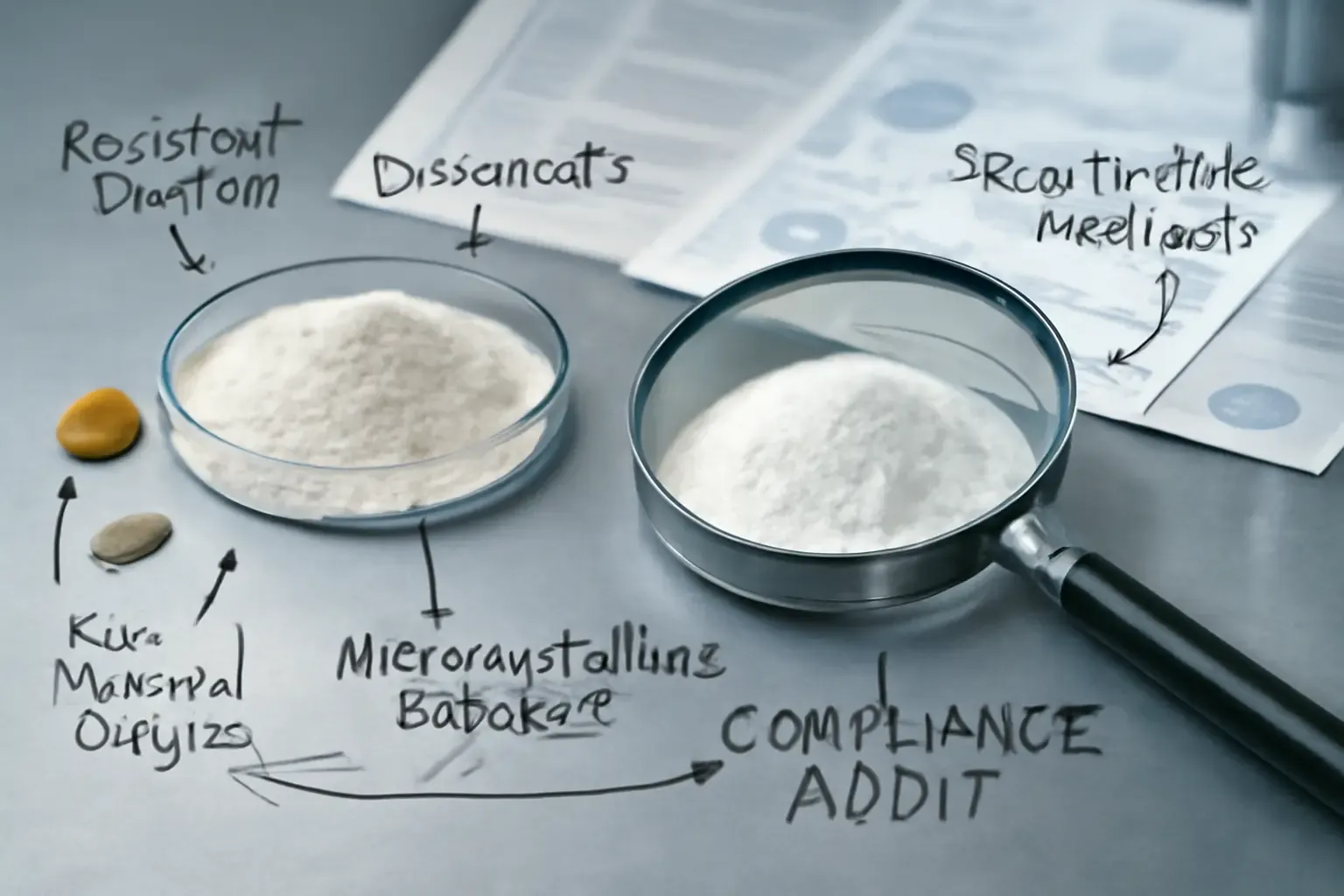
Fibermaxxing has moved beyond social media trends and firmly into the realm of procurement. As brands push for higher fiber numbers on their labels, the definition of a safe purchase is rapidly changing—especially for soluble dietary fiber bulk ingredients like resistant dextrin and multifunctional

Procurement teams are currently navigating a familiar pressure point: the demand for prebiotic soluble fiber in metabolic-health products is surging, while tablet and capsule programs continue to require a dependable microcrystalline cellulose pharmaceutical excipient. Practically, this translates t

Procurement teams are aggressively expanding China sourcing for microcrystalline cellulose (MCC) and resistant dextrin , but the decision is increasingly won (or lost) on documentation. For a microcrystalline cellulose supplier China , the fastest route into a pharma shortlist is a Certificate of An
For years, procurement teams treated China simply as a volume hub—a place to secure tonnage when local options ran dry. That era is ending. In 2026, the difference between a dependable microcrystalline cellulose supplier China and a risky one is no longer just about price per metric ton; it is defin
Resistant dextrin has become a practical workhorse for sugar reduction and fiber enrichment—especially in beverages, baked goods, and nutrition formats that need neutral taste and process stability . But as demand rises, procurement teams are finding that “fiber” is not a sufficient buying descripti
Procurement teams looking for a recommended Chinese microcrystalline cellulose manufacturer or a recommended Chinese resistant dextrin manufacturer are facing a new reality: in 2026, documentation quality is increasingly treated as product quality. The fastest-growing opportunities—protein-plus-fibe
A procurement team planning a U.S. launch for a low-sugar beverage powder or a gut-health supplement usually starts with the obvious levers— fiber content , taste, lead time, and the resistant dextrin bulk price. Then the compliance review begins, and the order of priorities flips. In 2026, the quie
In 2026, gut health positioning is still driving launches, but the bigger shift for procurement teams is that “healthy” is no longer just a brand idea—it increasingly behaves like a specification and documentation problem . For many teams, that pushes resistant dextrin (often labeled as soluble corn
Procurement teams used to treat resistant dextrin and microcrystalline cellulose (MCC) as straightforward inputs: confirm price, confirm lead time, place the order. That approach is fading fast. Today, the same ingredients sit inside products that face tighter labeling scrutiny (dietary fiber claims
Currently, global procurement teams are increasingly treating dietary fiber and pharmaceutical excipients as interconnected procurement categories. That shift is highly visible in purchase orders for resistant dextrin , soluble corn fiber , and microcrystalline cellulose (MCC) —three critical ingred
FDA’s acknowledgement of GRAS for corn-derived resistant dextrin serves as a practical turning point for global buyers. It doesn’t eliminate a procurement team’s due diligence, yet it significantly minimizes uncertainty regarding safety assumptions and common food uses. This shift helps teams progre
Global buyers are treating dietary fiber and pharmaceutical excipients less like simple commodities and more like compliance-critical materials. That shift is especially visible when shortlisting a resistant dextrin supplier in China that can export reliably, or when a microcrystalline cellulose (MC
Fibermaxxing has moved beyond social media trends and firmly into the realm of procurement. As brands push for higher fiber numbers on their labels, the definition of a safe purchase is rapidly changing—especially for soluble dietary fiber bulk ingredients like resistant dextrin and multifunctional
Procurement teams are currently navigating a familiar pressure point: the demand for prebiotic soluble fiber in metabolic-health products is surging, while tablet and capsule programs continue to require a dependable microcrystalline cellulose pharmaceutical excipient. Practically, this translates t
Procurement teams are aggressively expanding China sourcing for microcrystalline cellulose (MCC) and resistant dextrin , but the decision is increasingly won (or lost) on documentation. For a microcrystalline cellulose supplier China , the fastest route into a pharma shortlist is a Certificate of An
For years, procurement teams treated China simply as a volume hub—a place to secure tonnage when local options ran dry. That era is ending. In 2026, the difference between a dependable microcrystalline cellulose supplier China and a risky one is no longer just about price per metric ton; it is defin