
Functional fiber and excipient sourcing is changing fast. Procurement teams are no longer comparing a resistant dextrin supplier or a microcrystalline cellulose supplier on FOB price alone—they’re auditing documentation depth, batch consistency, and formulation support. Two ingredients sit at the ce

Soluble fibers and pharmaceutical excipients are no longer “simple powders.” For procurement teams, the sourcing conversation has shifted toward process capability, batch consistency, and documentation—especially when qualifying a resistant dextrin manufacturer and a microcrystalline cellulose suppl

Soluble fibers and tablet excipients are no longer “nice-to-have” ingredients. For many buyers, they sit directly behind label claims (fiber content, sugar reduction, digestive tolerance) and behind process stability (mixing, heat treatment, tableting). That is why search intent has shifted from bar

Portion-controlled eating, higher protein targets, and a renewed focus on gut health are changing how nutrient-dense foods and tablets are designed. What’s new is not the consumer ambition—it’s the ingredient bar. In 2026 product pipelines, resistant dextrin (often positioned as soluble corn fiber o

Fiber-maxxing has moved from a niche wellness habit to a mainstream formulation brief. As brands chase “more fiber” claims across beverages, plant-based dairy, and supplements, procurement teams face a critical challenge: which soluble fiber can scale without turning products thick, gritty, or off-t
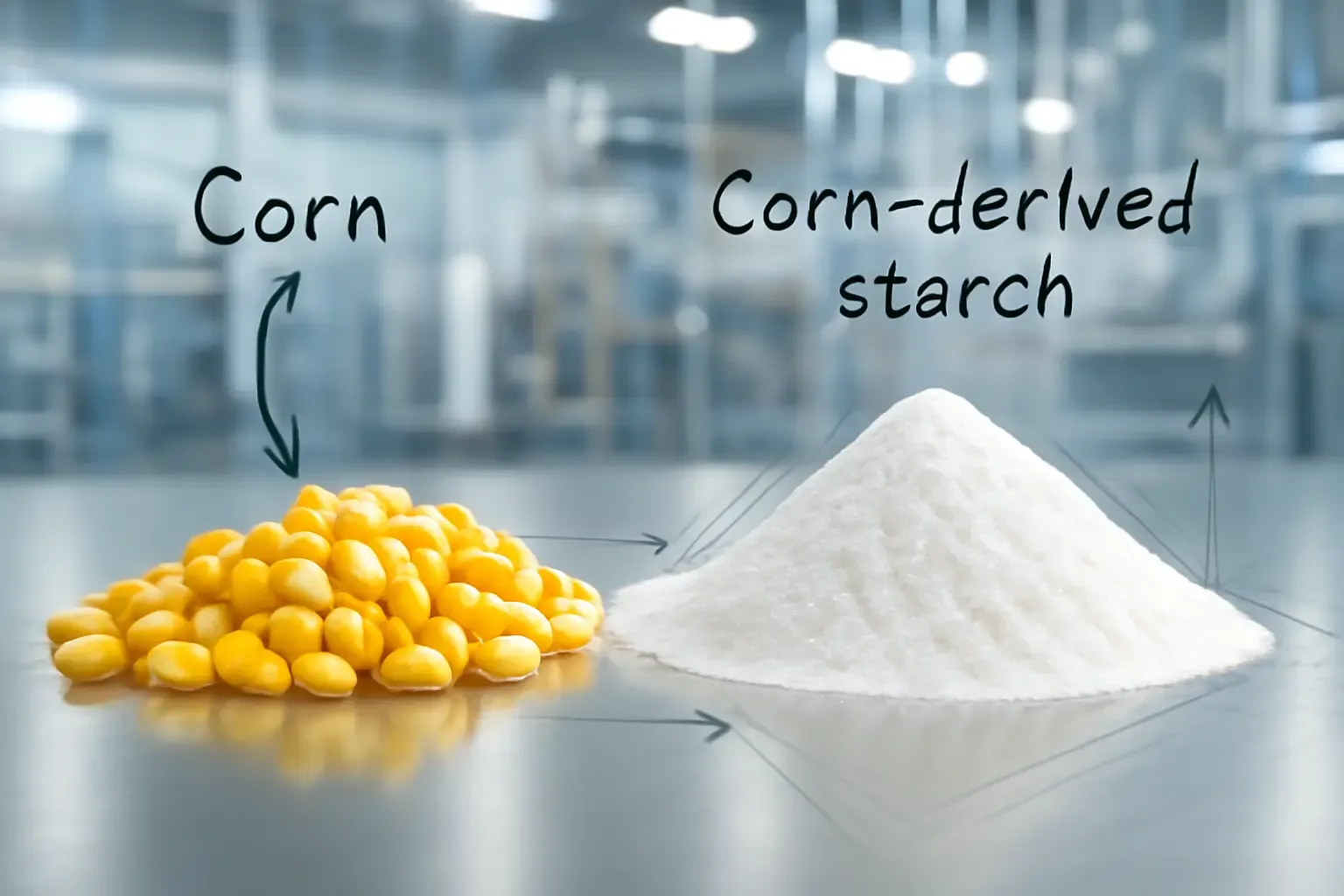
Fiber has evolved from a simple label enhancement to a critical formulation component that directly impacts taste, stability, nutritional claims, and ultimately, repeat purchase rates. This fundamental shift is a primary reason why the global demand for resistant dextrin is accelerating, alongside a
Smaller portions, higher protein, and improved digestive comfort are shifting from optional positioning to standard requirements for new beverages and dairy product launches. In this landscape, resistant dextrin has evolved from a supportive dietary fiber into a core formulation tool, particularly w

As we approach 2026, the procurement landscape for functional ingredients is witnessing a collision of two distinct forces. On the demand side, the concept of "accessible nutrition" is aggressively driving dietary fiber into everyday beverages, snacks, and supplements. On the supply side, significan
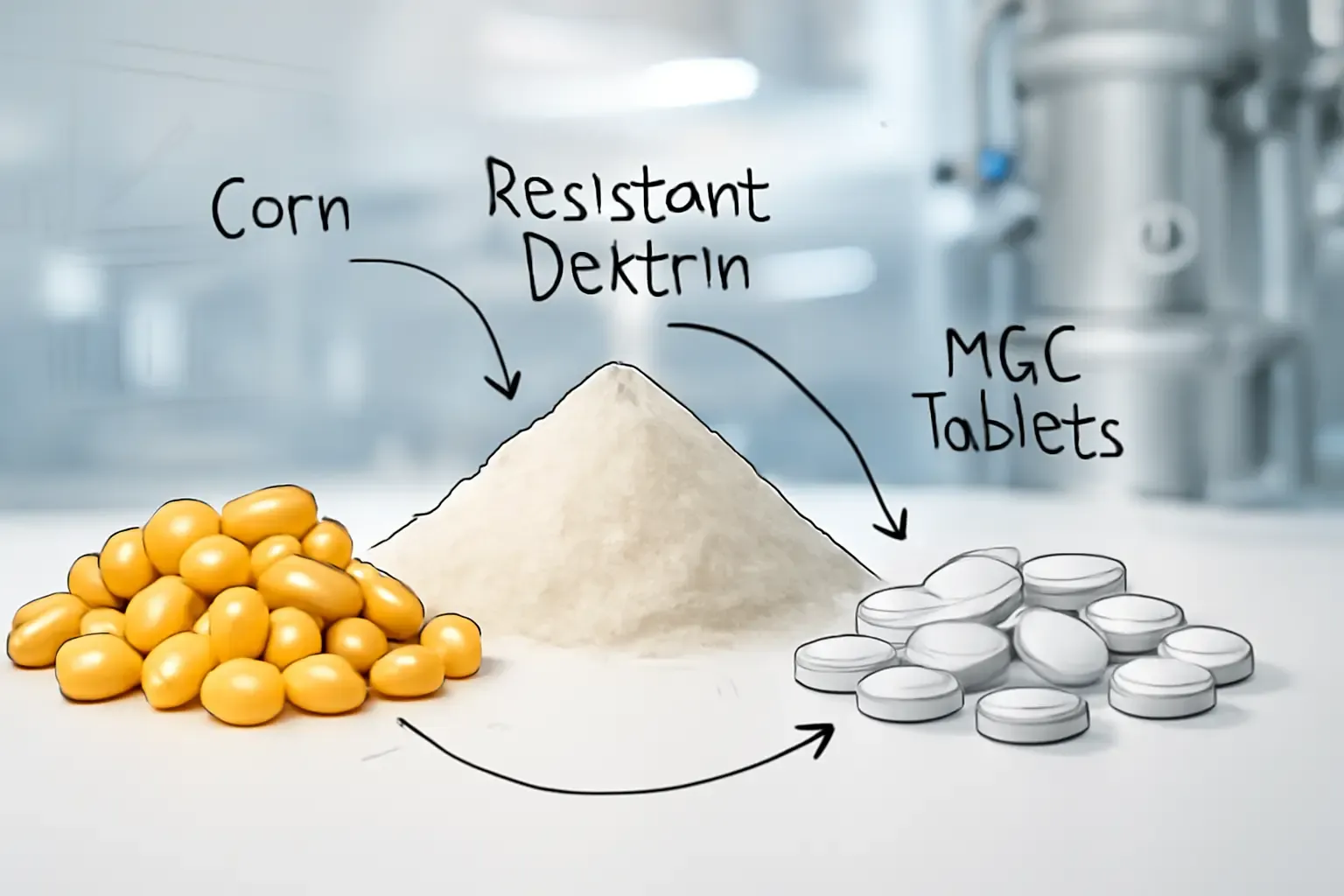
In 2026, functional fiber is no longer a “nice-to-have” add-on—it is a product strategy. As gut-health positioning moves into everyday snacks, beverages, and nutrition powders, procurement teams are under pressure to qualify resistant dextrin that performs consistently at scale, and to keep an eye o

In the GLP-1 era, buyers are no longer sourcing “generic fiber” or “standard excipients.” They are sourcing performance under tight specs —clean taste in low-sugar RTDs, stable processing in confectionery, and consistent compressibility in solid-dose formats. This is why interest in a resistant dext
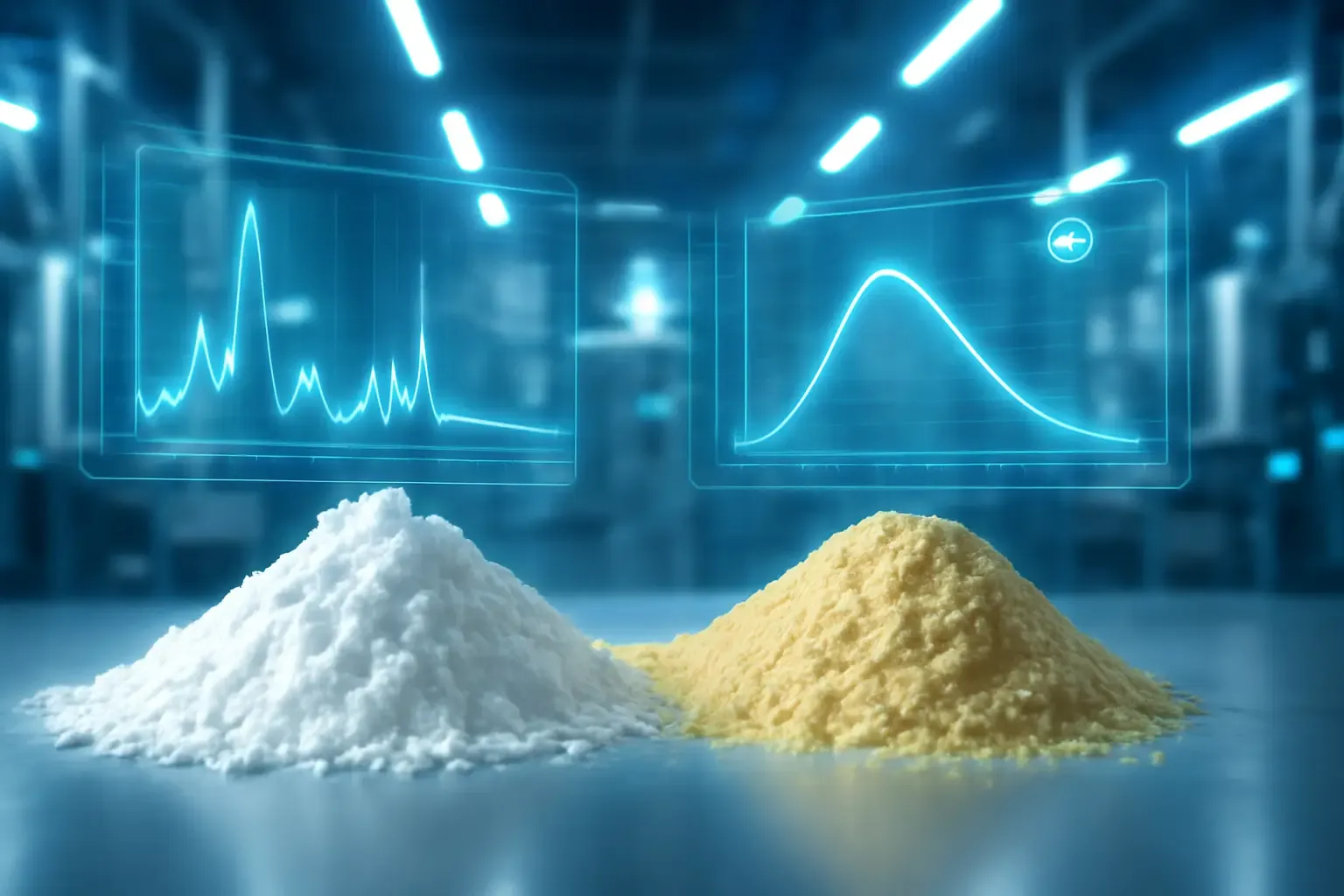
In the rapidly evolving landscape of ingredient sourcing, innovation in microcrystalline cellulose (MCC) and resistant dextrin manufacturing within China has shifted from a theoretical advantage to a critical purchasing variable. For years, the procurement standard relied heavily on basic Certificat

In 2026, “fiber-first” is no longer just a consumer-facing message—it is a procurement requirement that shows up in RFQs, COAs, and finished-product stability tests. Buyers who treat fiber merely as a check-box claim—instead of a measurable ingredient performance—are the ones most likely to face ref
Functional fiber and excipient sourcing is changing fast. Procurement teams are no longer comparing a resistant dextrin supplier or a microcrystalline cellulose supplier on FOB price alone—they’re auditing documentation depth, batch consistency, and formulation support. Two ingredients sit at the ce
Soluble fibers and pharmaceutical excipients are no longer “simple powders.” For procurement teams, the sourcing conversation has shifted toward process capability, batch consistency, and documentation—especially when qualifying a resistant dextrin manufacturer and a microcrystalline cellulose suppl
Soluble fibers and tablet excipients are no longer “nice-to-have” ingredients. For many buyers, they sit directly behind label claims (fiber content, sugar reduction, digestive tolerance) and behind process stability (mixing, heat treatment, tableting). That is why search intent has shifted from bar
Portion-controlled eating, higher protein targets, and a renewed focus on gut health are changing how nutrient-dense foods and tablets are designed. What’s new is not the consumer ambition—it’s the ingredient bar. In 2026 product pipelines, resistant dextrin (often positioned as soluble corn fiber o
Fiber-maxxing has moved from a niche wellness habit to a mainstream formulation brief. As brands chase “more fiber” claims across beverages, plant-based dairy, and supplements, procurement teams face a critical challenge: which soluble fiber can scale without turning products thick, gritty, or off-t
Fiber has evolved from a simple label enhancement to a critical formulation component that directly impacts taste, stability, nutritional claims, and ultimately, repeat purchase rates. This fundamental shift is a primary reason why the global demand for resistant dextrin is accelerating, alongside a
Smaller portions, higher protein, and improved digestive comfort are shifting from optional positioning to standard requirements for new beverages and dairy product launches. In this landscape, resistant dextrin has evolved from a supportive dietary fiber into a core formulation tool, particularly w
As we approach 2026, the procurement landscape for functional ingredients is witnessing a collision of two distinct forces. On the demand side, the concept of "accessible nutrition" is aggressively driving dietary fiber into everyday beverages, snacks, and supplements. On the supply side, significan
In 2026, functional fiber is no longer a “nice-to-have” add-on—it is a product strategy. As gut-health positioning moves into everyday snacks, beverages, and nutrition powders, procurement teams are under pressure to qualify resistant dextrin that performs consistently at scale, and to keep an eye o
In the GLP-1 era, buyers are no longer sourcing “generic fiber” or “standard excipients.” They are sourcing performance under tight specs —clean taste in low-sugar RTDs, stable processing in confectionery, and consistent compressibility in solid-dose formats. This is why interest in a resistant dext
In the rapidly evolving landscape of ingredient sourcing, innovation in microcrystalline cellulose (MCC) and resistant dextrin manufacturing within China has shifted from a theoretical advantage to a critical purchasing variable. For years, the procurement standard relied heavily on basic Certificat
In 2026, “fiber-first” is no longer just a consumer-facing message—it is a procurement requirement that shows up in RFQs, COAs, and finished-product stability tests. Buyers who treat fiber merely as a check-box claim—instead of a measurable ingredient performance—are the ones most likely to face ref